

Federal Grants Now Open to Police for Domestic-Made Drones
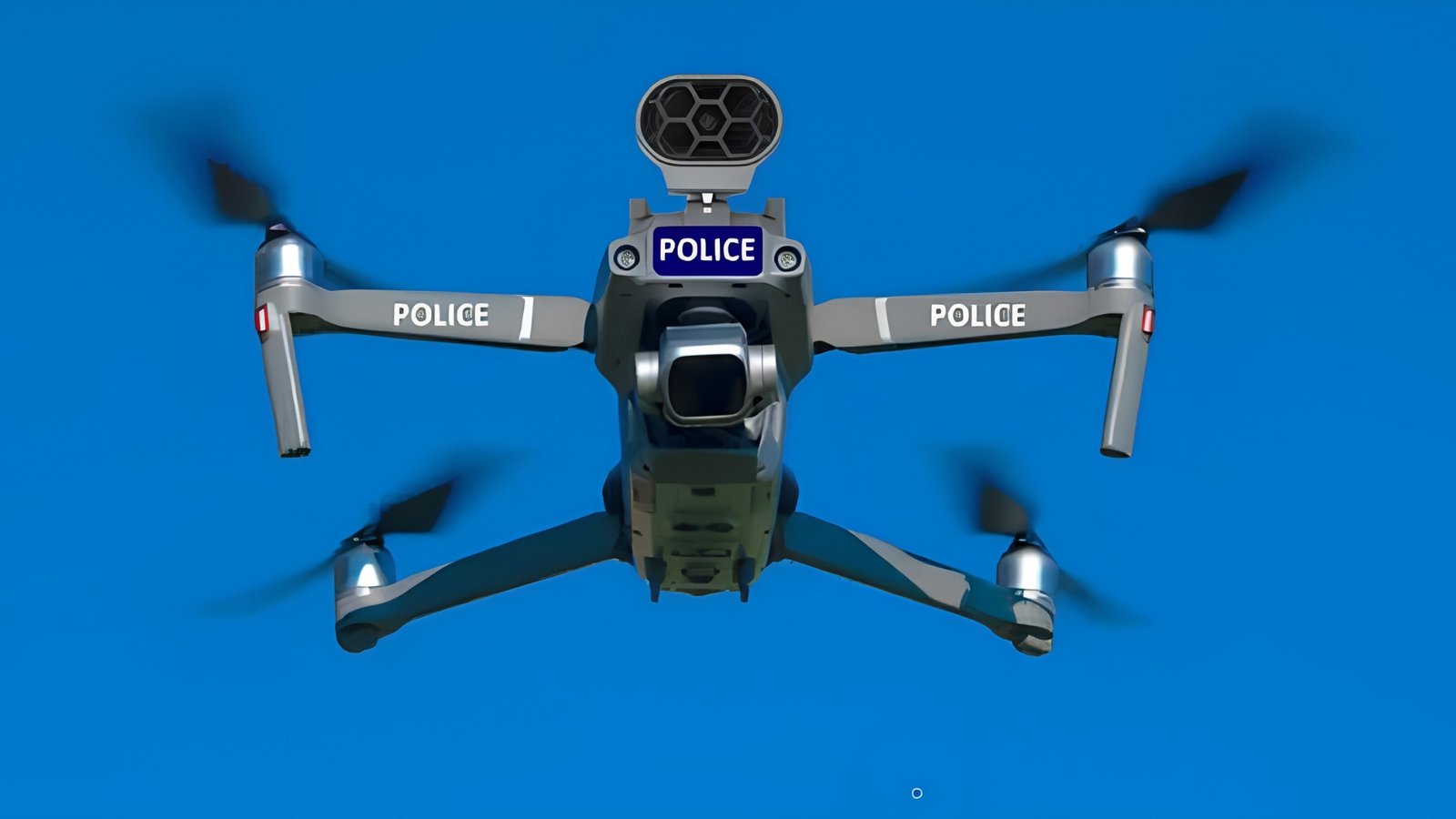
“Drones continue to play an ever-growing role in protecting our communities and responding to emergencies in a safer manner,” said Rep. Lou Correa, as the Directing Resources for Officers Navigating Emergencies (DRONE) Act of 2025 became a new reality, and I’m proud of what we’ve done with the Directing Resources for Officers Navigating Emergencies (DRONE) Act of 2025, which will for the first time allow our local agencies access to the Edward Byrne Memorial Justice Assistance Grant Program, a popular grant program, as well as the COPS grant, for the purchase of unmanned aircraft systems (drones).

Historically, the purchase of unmanned aircraft had been out of these budget categories, so departments were forced to rely on state, local, and private funds for acquisitions. Now that this impediment has been removed through the DRONE Act, departments will be able to access funding for these programs that would be highly valuable in expanding these programs throughout the country. “providing law enforcement the tools they need to counter emerging drone threats is essential to public safety,” said Orange County Sheriff Don Barnes, whose agency has been using drones since 2019.
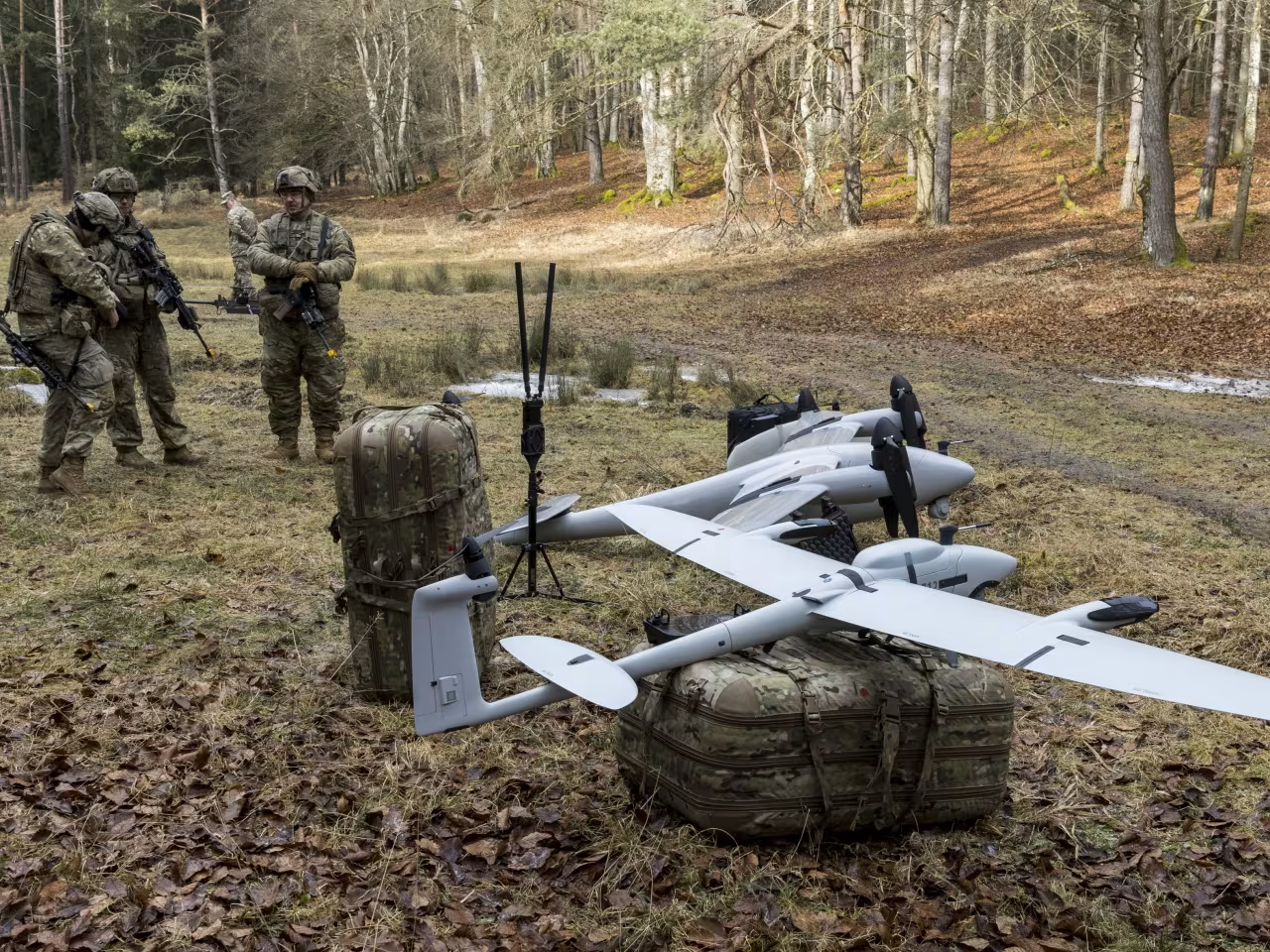
These developments are closely related to the American Drone Security Act, which specifies that qualified drone systems can only be procured from within the US. This is part of the larger federal initiative that seeks to mitigate the risks posed by foreign drones, specifically the risks of data theft, stealth surveillance capabilities, and supply chain security. A memorandum on the Act signed by the Office of Management and Budget in November 2025 specifies the procurement requirements, specifically covering the adoption of information security practices such as multifactor authentication, encrypting data at rest and in transit, and managed firmware updates by trusted authorities for all drones procured using federal funds.
Although supporters of the DRONE Act see it as a triumph for public safety and financial prudence, some advocates of civil liberties express concerns about increased surveillance powers with inadequate regulatory control. “This is a dangerous expansion of police surveillance with little accountability,” said Bulmaro Vicente, policy director for CHISPA in Orange County, adding that “accelerate the normalization of mass, suspicionless surveillance, especially in low-income communities and communities of color.” Some privacy analysts draw attention to the fact that drones equipped with sensors such as thermal imaging or analytics from Automated License Plates Readers operate silently and with little oversight, while appropriating massive amounts of personal data without warrants. Only about one-third of states in the United States mandate warrants for particular police drone activities, although some counties and states have banned their use altogether, and state regulation of privacy remains under federal legislation.
But this is only one side of a debate which expresses a problem found in legal writing a balance should be struck between not being so limiting in usage to potenially hinder effective use of surveillance technology in, for example, search and rescue and disaster assessment missions, on one hand, and, on the other hand, not being so open-ended that overall access to privacy is compromised in a “surveillance society,” a problem which has arisen in previous Supreme Court cases on aerial surveillance in California vs. Ciraolo and Florida vs. Riley.
For agencies looking to take advantage of this funding, there is work to be done. Each department needs to comply with the requirements for sourcing personnel from home that are stipulated in the American Drone Security Act. Additionally, there are protocols for security that need to be followed from the Office of Management and Budget. The applications for funding need to show particular aspects for public safety. This was evident from the FEMA and DHS grant competitions that were carried out.
They emphasized collaboration and having strategies for continued support once the grant runs out. Members of the drone market will also benefit from the domestic sourcing requirement, which can stimulate demand for locally made systems, in some cases despite the fact that American systems are pricier, often two to three times more expensive than equivalent foreign systems. Other professionals, namely law enforcement officials, will have to contend with issues involving integrating drones within operations, coupled with changes in legislation.
The DRONE Act’s passage marks a period of time in which federal funds are going to be at the forefront of decisions on what their drones are capable of doing. Its use and control will be what decides whether the promise to ‘make our streets safer’ will be realized without undermining the civil liberties it could easily undermine.