

Whistleblower Alleges Figure AI Ignored Deadly Robot Safety Risks
“Powerful enough to fracture a human skull.” The phrase, delivered by Robert Gruendel, Figure AI’s former head of product safety, now sits at the center of a federal whistleblower lawsuit that may reshape the conversation about humanoid robotics safety. In a complaint filed in California’s Northern District, he accuses the Nvidia-backed startup of firing him in September just days after he issued his most direct and documented warnings about the lethal capabilities of its machines.
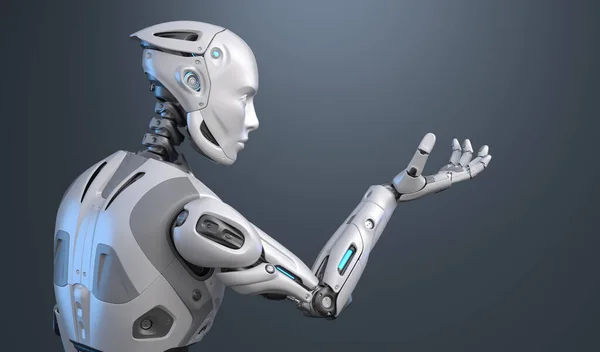
The account by Gruendel is nothing short of unnerving: describing how the Figure 02 humanoid robot malfunctioned and came so close that it barely missed an employee before punching a refrigerator, leaving a ¼ inch deep gash in stainless steel; impact tests he had conducted showed that F.02 was able to move at “super human speed” and deliver blows twenty times higher than the threshold of pain and more than twice the force needed to fracture an adult human skull. These machines were not restricted to lab environments; Figure had already deployed them for eleven months at a BMW plant in the US, where they reportedly contributed to the production of over 30,000 cars.
The lawsuit maintains the company “systematically marginalized” Gruendel’s concerns about safety. Regular weekly safety meetings turned to quarterly check-ins. Messages to the CEO, Brett Adcock, were ignored. The chief engineer, Kyle Edelberg, allegedly eviscerated an “unchangeable” safety roadmap Gruendel had presented to investors-a roadmap that, according to the filing, had directly influenced funding decisions. Gruendel warned that downgrading the roadmap post-investment could be “interpreted as fraudulent,” but his objections were ignored.
Safety compromises extended far beyond documentation. In August, Gruendel discovered that a safety feature on the F.02 was removed because Edelberg “did not like the aesthetic appearance” of it. An effort to implement an emergency stop button was casually scrapped halfway through, the suit alleges. Anonymous worker surveys reflect growing concerns; some employees started circumventing official channels and began reporting risks directly to Gruendel. Leadership, the suit alleges, responded as though the reports were impediments rather than imperatives.
Figure AI’s meteoric rise forms the backdrop to this dispute. In September, the company’s valuation surged to $39 billion a 15 fold increase from early 2024 fueled by Parkway Venture Capital and heavyweight backers like Jeff Bezos, Microsoft, and Nvidia. Morgan Stanley projects that the humanoid robot market could reach $5 trillion by 2050 and the race is on to deploy advanced machines in factories and, eventually, homes. Gruendel’s suit suggests that in this gold rush, safety is being sacrificed for speed.
The case also underlines broader industry vulnerabilities. While industrial robots have long been subject to strict ISO and ANSI safety standards, enforcement often lags as companies push boundaries in emerging niches. Historical incidents from a Volkswagen plant fatality in 2015 to a Tesla Gigafactory injury in 2021, illustrate the dangers that arise when powerful machines malfunction in close proximity to humans. The shift from enclosed industrial robots to free-moving humanoids ratchets up those risks, since their design encourages direct human interaction without the protective barriers common in traditional automation. Whistleblower protections in California explicitly protect employees who report unsafe practices, a fact that Gruendel’s attorney Robert Ottinger is quick to point out.
“This case involves important and emerging issues, and may be among the first whistleblower cases related to the safety of humanoid robots,” said Ottinger. The echoes to other tech sector disputes, such as the departure of Dr. Timnit Gebru from Google after raising AI ethics or Boeing engineers warning of 737 MAX safety issues, reveal a recurring tension between corporate ambition and internal dissent. Figure AI denies the allegations, contending that Gruendel was “terminated for poor performance” and that it will “thoroughly discredit” his claims in court. But with humanoid robots moving from prototype to production line, the lawsuit raises urgent questions over whether existing safety regimes can keep pace with machines capable of both delicate human interaction and catastrophic injury.