

SpaceX Hits 150 Falcon 9 Launches in 2025 with Starlink Boost
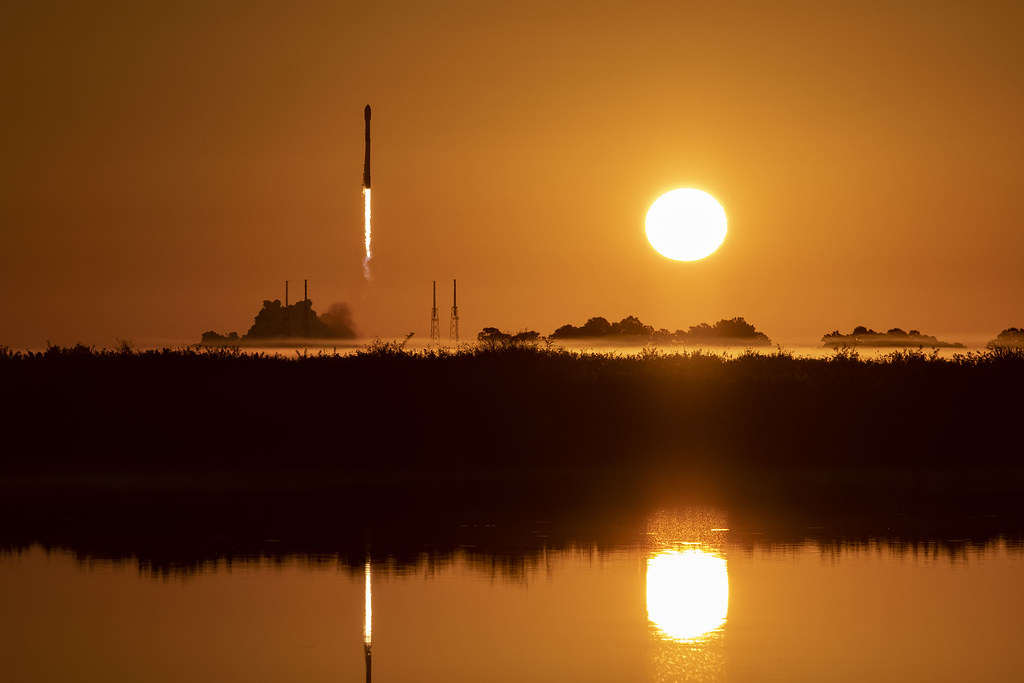
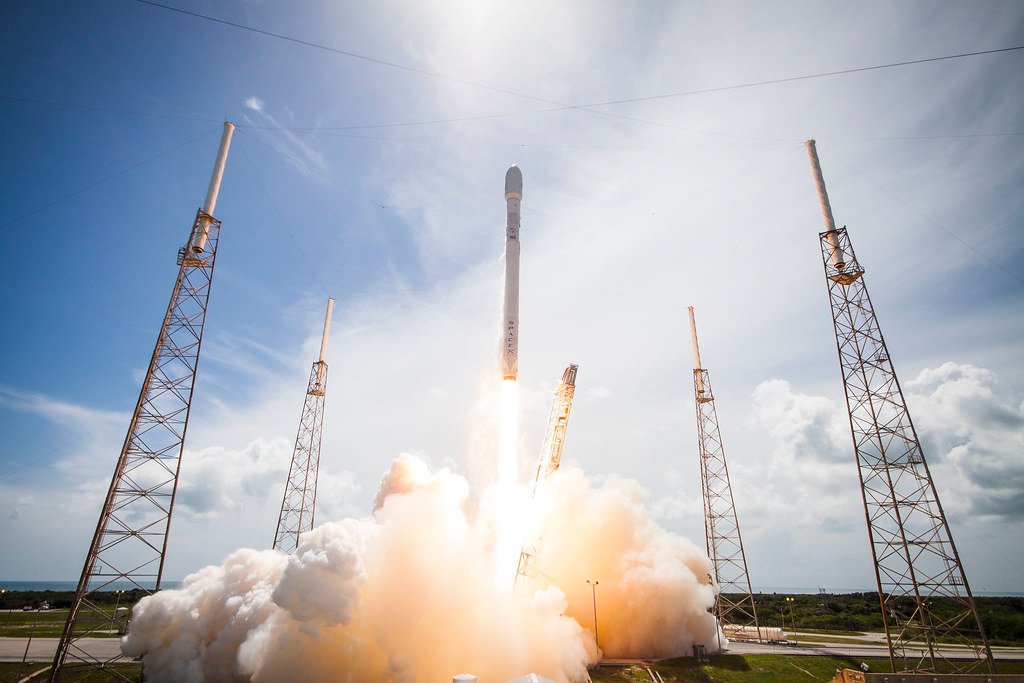
A Falcon 9 rocket roared off Space Launch Complex 40 at Cape Canaveral Space Force Station at 2:53 a.m. EST on Nov. 22, marking a milestone that few in the launch industry could have envisioned a decade ago: SpaceX’s 150th Falcon 9 mission of 2025. Just over an hour later, the rocket’s upper stage released 29 Starlink satellites into low Earth orbit, extending the company’s broadband megaconstellation beyond 9,000 active units.
The achievement underlines the company’s unrivaled launch cadence. Falcon 9 first flew in 2010; a decade and a half later, it has now amassed 568 flights in total, with its 2025 tally alone setting a new industry record. That brisk pace is part of a wider trend in commercial spaceflight, as reusable rockets and leaner operations drive launch rates to unprecedented heights. Florida’s Space Coast has been at the epicenter of that rush, playing host to more than a third of all orbital launches worldwide this year.
Saturday’s mission also showcased the continuing reliability of SpaceX’s booster reusability program. The first stage, Booster B1080, flew for the ninth time before landing on the droneship “A Shortfall of Gravitas” in the Atlantic. Reuse is now routine for Falcon 9. Some boosters fly more than 20 times, a capability that has dramatically cut costs and turnaround times. According to analysts, this is a key enabler of the company’s aggressive schedule, given multiple launches per week can be performed without the expense of building new hardware for each mission.
The 29 satellites that deployed, designated Group 6-79, belong to the V2 mini generation, which provides significant improvements over earlier models. These include argon Hall thrusters for added maneuverability, refitted phased array antennas, and E-band backhaul capabilities expected to nearly quadruple data throughput. SpaceX has said that full-size V2 satellites designed to launch on Starship will eventually be able to provide direct-to-cellular service in partnership with T-Mobile.
Now, Starlink is at a scale never before seen in satellite communications. From its first 60 satellites back in May 2019, the network has expanded to over 10,400 total spacecraft launched and more than 9,000 operational today, according to astronomer Jonathan McDowell. The target for the constellation is even more ambitious, as many as 42,000 satellites in orbit, supported by FCC authorization for 12,000 and filings for an additional 30,000. The service is already operating with more than 7 million users across 150 countries, offering between 100 and 200 Mb/s broadband and latency as low as 20 milliseconds.
While the benefits are undeniable-global connectivity for remote communities, emergency response capability, maritime and aviation applications-the scale of Starlink has raised concerns among astronomers and orbital safety experts. The constellation is now the leading source of collision risk in low Earth orbit, with models suggesting that, once the first-generation fleet is complete, Starlink could account for up to 90% of close approaches between spacecraft. Optical and radio astronomers have also reported interference from the satellites’ brightness and radio transmissions, prompting calls for stronger regulatory oversight.
SpaceX has taken measures to lessen these impacts, such as putting visors on satellites to reduce reflectivity and promising to work with the astronomical community. But environmental scientists have also warned about the possible atmospheric effects from the deorbiting of thousands of aluminum-bodied satellites every five years. Researchers indicate that alumina particles, generated during the process of burning up, could add to ozone depletion and disturb the planet’s heat balance-an area where further study is urgently needed. For now, the November 22 launch serves as a reminder of the operational maturity attained by Falcon 9 and what reusability has achieved. That launch also represented the dual nature of SpaceX’s ambition: pushing the limits of launch frequency and satellite deployment, even as it grapples with the complex technical, regulatory, and environmental hurdles associated with building the largest orbital network in history.