

From Homemaker to Agri-Drone Innovator
In Hisar, Haryana, Jyoti Malik’s trajectory from aspiring entrepreneur to grounded homemaker illustrates the unpredictable turns that can derail even the most determined plans. Educated in Mumbai and Chandigarh, Malik envisioned a financially and emotionally independent life, propelled by her early academic successes. Yet after graduating in 2018, personal circumstances forced her to step away from the job market. When she returned two years later, opportunities had evaporated. Marriage and relocation to Hisar further distanced her from her ambitions. “I was grounded,” she recalls, reflecting on the stark reality that replaced her youthful aspirations.

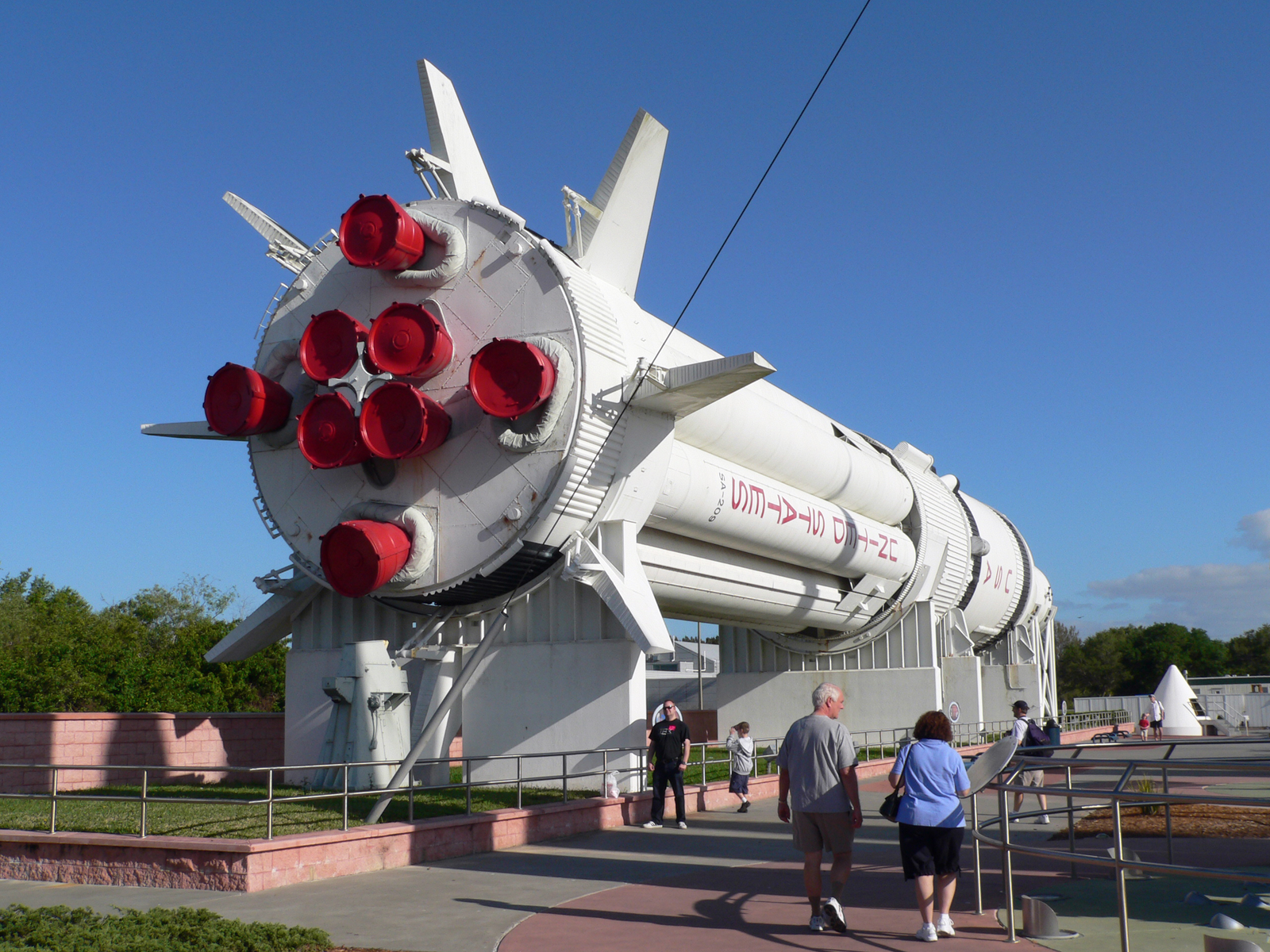
At roughly the same time, another woman from Chandigarh was facing a different kind of grounding—one imposed by skeptical investors. Preet Sandhuu, a science graduate from Khalsa College in Amritsar, had long been inspired by Indian-born American astronaut Kalpana Chawla. Her fascination with rockets and the intricate engineering behind them led her, in 2016, to establish AVPL as a skilling venture for college graduates. By 2022, AVPL had pivoted into an agricultural drone enterprise, combining manufacturing, service operations, and training. The company offered drone-as-a-service (DaaS), produced its own UAV platforms, ran agri-input retail outlets, and conducted Directorate General of Civil Aviation (DGCA)-approved remote pilot and agricultural spray certification courses.
Despite this diversification, Sandhuu’s funding search in 2023 met resistance. Venture capitalists, reviewing AVPL’s financials, noted that revenues had stagnated around ?11 crore for three consecutive fiscal years starting FY20. When presented with a projection for FY23 that doubled the previous year’s earnings, one investor cautioned, “Give us a realistic picture of your projections.” Another added, “Don’t give us an exaggerated picture. We know our math.” Sandhuu herself admitted, “I was fighting a losing battle.”
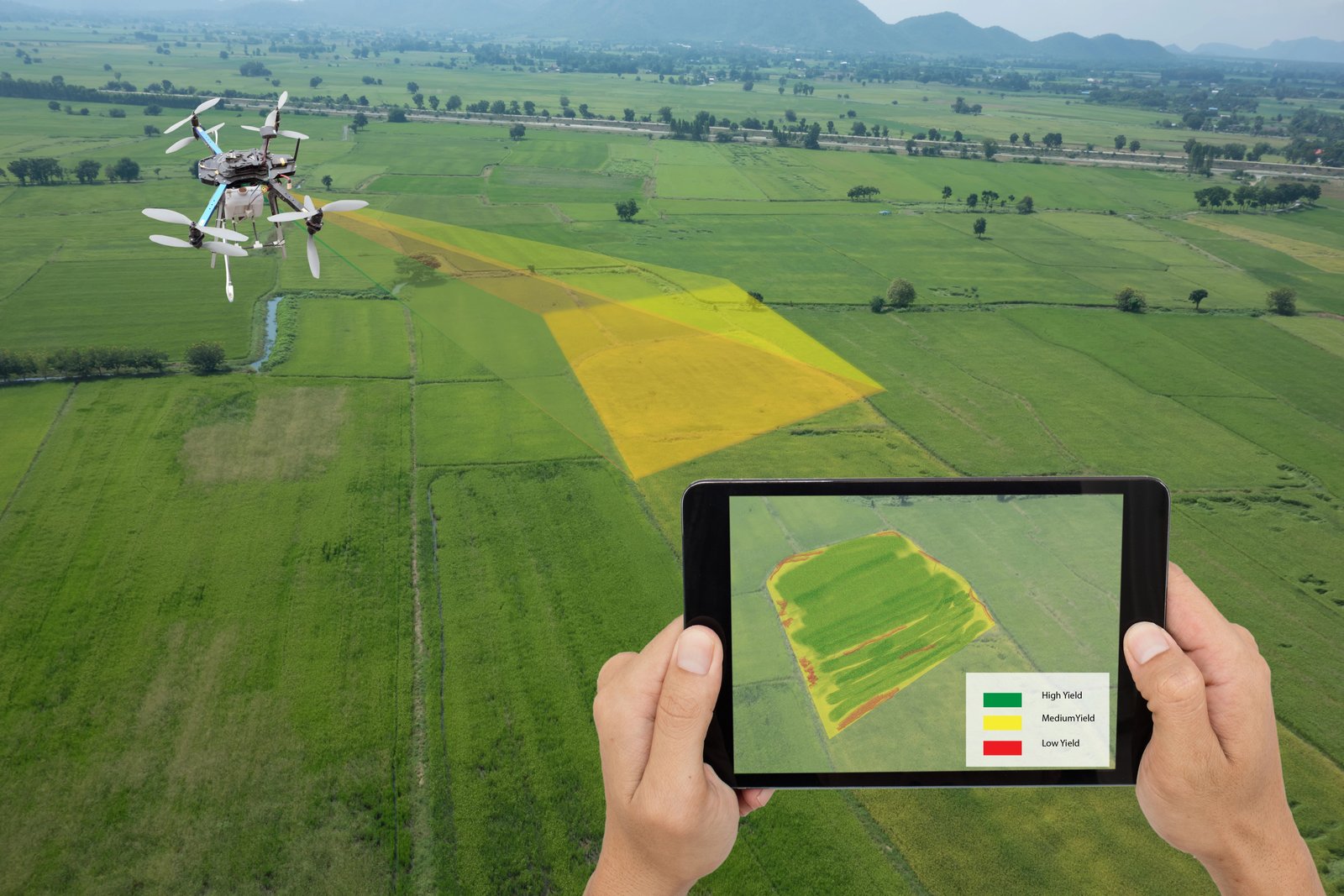
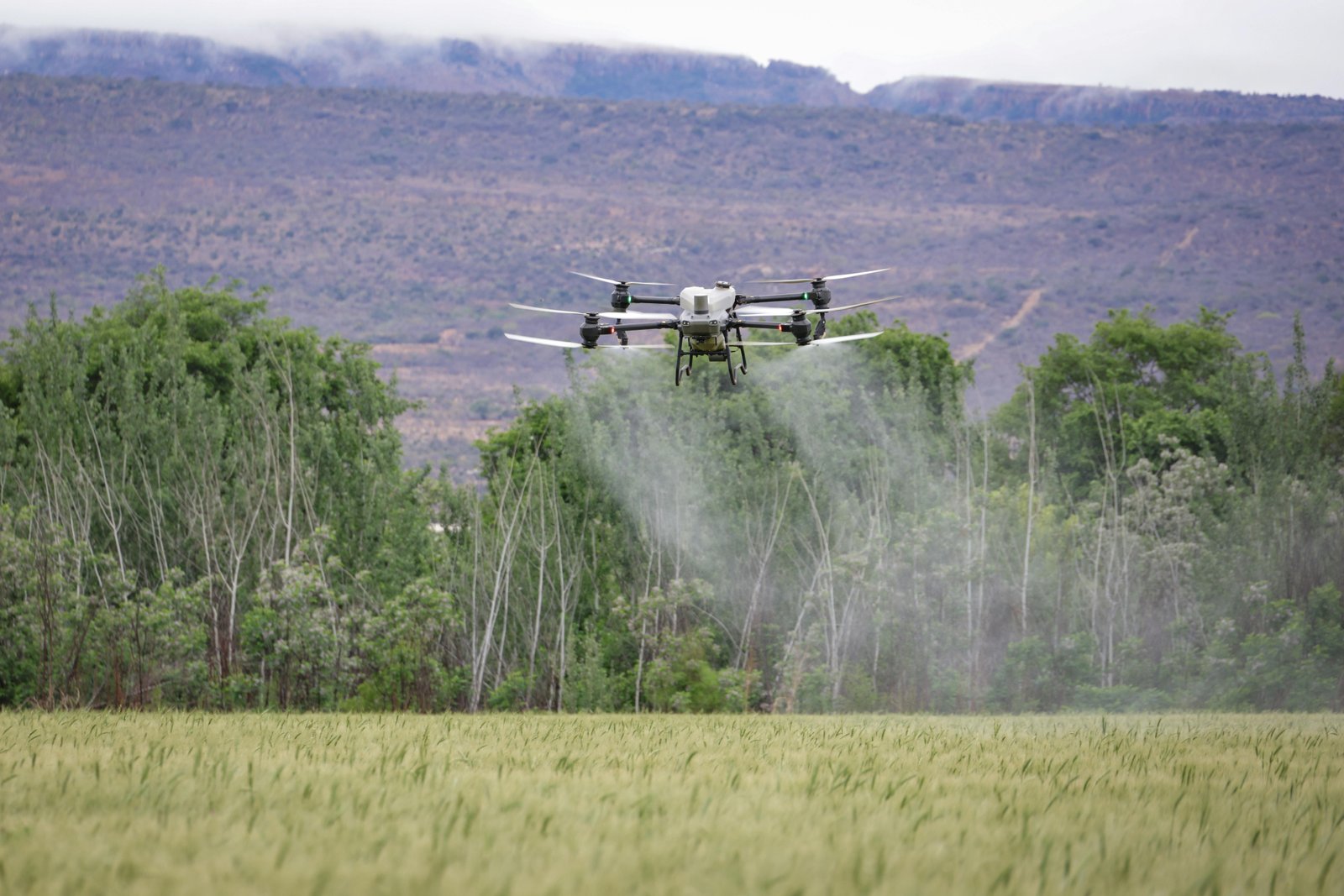
The core of AVPL’s challenge lay in scaling drone technology for agriculture—a sector where adoption hinges on cost-effectiveness, regulatory compliance, and demonstrable yield improvements. Agricultural drones, equipped with multispectral sensors and precision spraying systems, can optimize pesticide and fertilizer application, reduce labor dependency, and minimize environmental impact. Yet the transition from pilot projects to widespread deployment demands robust infrastructure, trained operators, and consistent after-sales support.
AVPL’s approach to training is particularly critical. DGCA certification ensures operators understand both technical and regulatory aspects, from flight planning and maintenance to safe chemical handling during aerial spraying. Such structured training addresses one of the primary barriers to drone adoption in rural India: the shortage of skilled pilots who can operate within legal frameworks while delivering measurable agronomic benefits.
Manufacturing in-house also positions AVPL to tailor UAV platforms to local agricultural needs. Payload capacity, flight endurance, and resistance to dust and heat are vital in regions where crops and climate impose unique demands. By controlling design and production, the company can iterate quickly, integrating feedback from field operations into successive models.
However, scaling beyond regional markets requires overcoming logistical and financial constraints. Distribution networks for both drones and agricultural inputs must be expanded, and service centers established to maintain operational reliability. Investors’ skepticism reflects the capital-intensive nature of such expansion, especially in a market still in the early stages of technological adoption.
The juxtaposition of Malik’s stalled ambitions and Sandhuu’s uphill battle underscores the broader narrative of drone entrepreneurship in India. While the technology holds transformative potential for agriculture, its success depends on aligning engineering innovation with market realities. For engineers and enthusiasts, the AVPL story offers a case study in how aerospace-derived technologies adapt to terrestrial challenges—translating principles of flight dynamics, payload optimization, and systems integration into tools for farmers.
In the end, the question posed by the venture capitalists—can drones make the venture fly?—is as much about engineering execution as it is about business strategy. The path from prototype to profitability demands not only technical excellence but also the patience to navigate regulatory landscapes, the foresight to build training ecosystems, and the resilience to withstand market skepticism.