

Precision Agriculture and Drone Tech Transform Illinois Farming
In 2023, 78% of Illinois farmers reported adopting at least one precision agriculture technology to optimize crop yields. That figure is expected to rise to between 85% and 90% in 2024, underscoring the rapid integration of advanced tools into mainstream farming operations. This adoption is driven by shifting market conditions, evolving climate patterns, and the maturation of technologies such as drones, AI-based advisory systems, and IoT-enabled sensors.

Commodity prices for corn and soybeans have been volatile, influenced by global supply and demand, weather events, and trade policies. Analysts project a cautiously optimistic outlook for 2024, with moderate price increases possible. Fertilizer costs, which surged in prior years, are stabilizing, though farmers remain alert to opportunities for cost-effective alternatives and precision application methods. Supply chain resilience is improving, with logistics and distribution networks adapting to recent disruptions, potentially lowering transportation costs and improving market access.
Weather remains a decisive factor in agricultural productivity. “Weather-related crop losses in Illinois decreased by 15% due to improved forecasting and adaptive farming practices,” highlighting the value of predictive tools. Long-term projections point to more variable precipitation, alternating between excessive rainfall and drought, and temperature swings that could bring both heat waves and unexpected frost. These conditions demand robust water management, heat-tolerant crop varieties, adjusted planting schedules, and investments in soil conservation and drainage infrastructure.
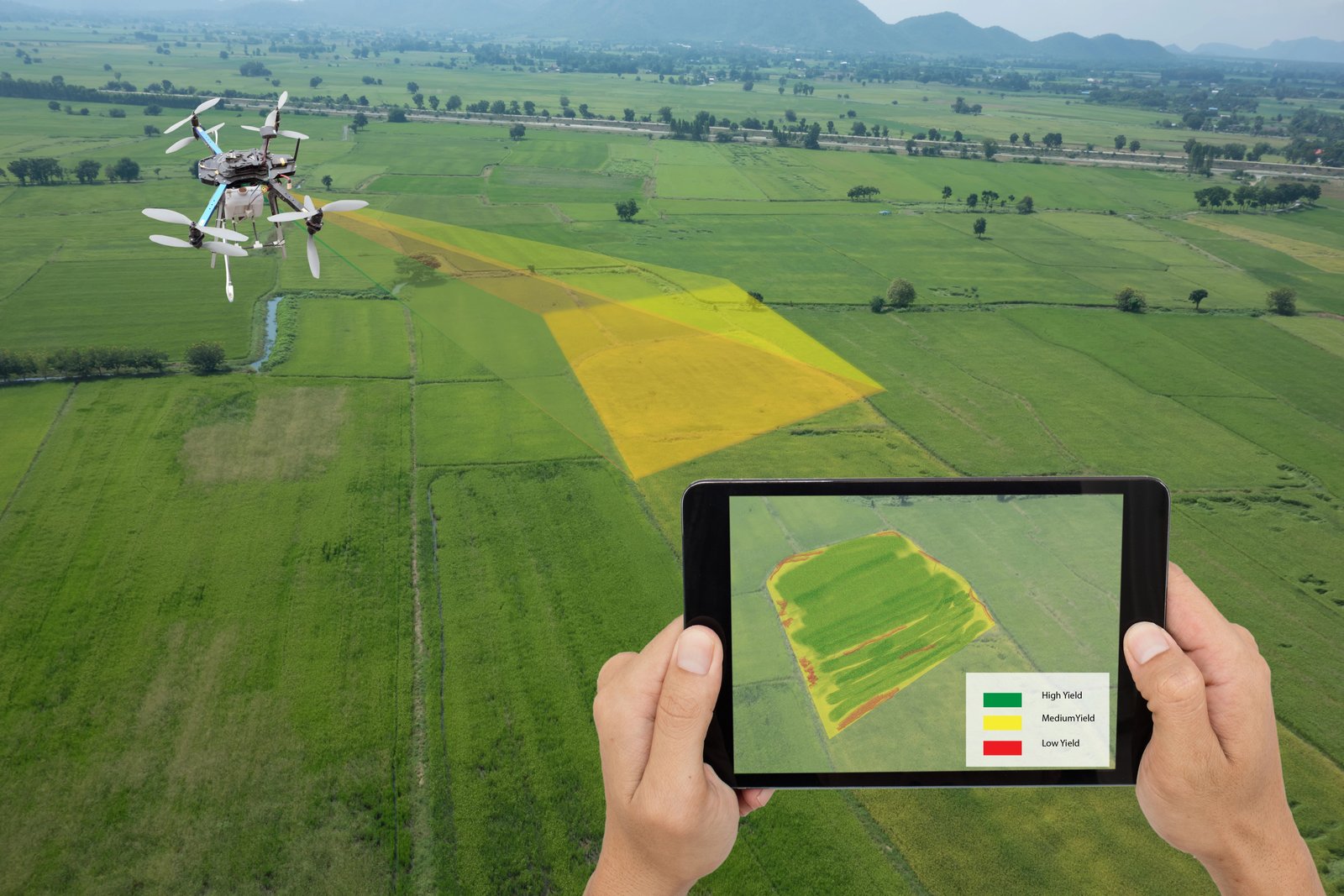
Precision farming solutions are reshaping decision-making at the field level. Satellite-based crop monitoring, exemplified by platforms like Farmonaut, delivers real-time data on crop health, soil moisture, and vegetation indices. AI-powered advisory systems analyze field-specific data to recommend optimal resource allocation, pest control measures, and planting strategies. Drone technology continues to expand in scope, with affordable, user-friendly models enabling aerial scouting, spraying, and mapping. IoT sensors provide continuous monitoring of soil conditions, weather, and equipment performance, enabling fine-grained control over operations.
Sustainability is increasingly central to farm management. Cover cropping improves soil health, reduces erosion, and enhances nutrient cycling. Conservation tillage preserves soil structure, boosts organic matter, and reduces greenhouse gas emissions while improving water retention. Precision nutrient management, using soil testing and variable-rate application, minimizes environmental impact without sacrificing yield. Integrated pest management blends biological controls with targeted pesticide use to reduce chemical dependency.
Managing input costs is a priority. Precision application technologies, including GPS-guided sprayers and smart spreaders, target inputs based on field variability, reducing waste. Alternative nutrient sources such as organic fertilizers and biological amendments can cut reliance on synthetics. Energy-efficient equipment and renewable energy options, including solar installations, offer long-term savings. Farm management software and analytics help identify inefficiencies and guide resource allocation.
Accurate commodity price forecasting hinges on monitoring global supply and demand, weather patterns, emerging markets such as biofuels and plant-based proteins, and currency exchange rates. Advanced market analysis tools allow farmers to project prices more accurately and refine marketing strategies.
Agricultural technology continues to evolve. Gene editing tools like CRISPR are producing crops with enhanced disease resistance, drought tolerance, and nutritional value. Robotics and automation—from autonomous tractors to robotic harvesters—are addressing labor shortages and improving efficiency. Blockchain applications in agriculture are enhancing supply chain traceability, bolstering consumer trust. Vertical farming and controlled environment agriculture, though focused on high-value crops, may offer diversification opportunities.
Industry events remain vital for knowledge exchange. The Illinois Farm Bureau Annual Meeting addresses policy and development issues. The Farm Progress Show showcases equipment and crop technologies at scale. Precision Agriculture Conferences delve into the latest in data-driven farming. Specialty crop, agritourism, and organic conferences support diversification strategies.
Farmonaut’s suite of tools integrates satellite monitoring, AI advisory, localized weather forecasting, and resource management into a single platform. These capabilities enable early detection of crop health issues, tailored management recommendations, and optimized input use. For Illinois farmers navigating 2024’s complex landscape, such systems offer tangible gains in efficiency, sustainability, and profitability.