

Mechatronics Driving Next-Generation Engineering Innovation
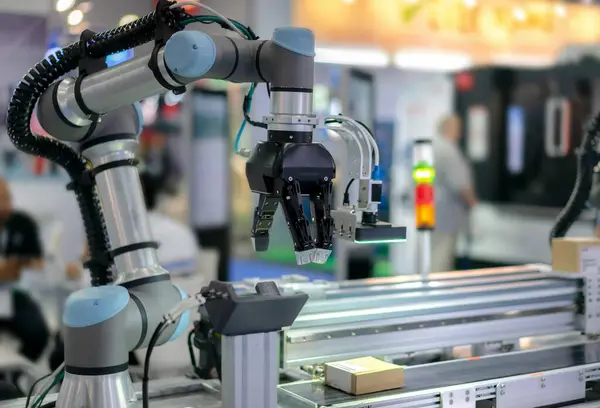
For decades, the design and production of machines and processes have been constrained by the traditional separation of electrical and mechanical engineering disciplines. Mark Gauthier, president of Donald Engineering, describes mechatronics as the bridge that unites these domains, creating a dynamic foundation for modern engineering. Over the past five years, mechatronics has shifted from relative obscurity to a common topic in engineering discussions, propelled by the need for faster design cycles and higher quality outputs.

The integration of mechanical and electrical expertise accelerates product development from concept to reality, enabling engineers to deliver superior results under compressed timelines. As electronics become smaller, faster, and more intelligent, mechatronics provides the framework to address critical questions about system dynamics, controls, and energy efficiency. Engineers gain the ability to select modular components based on life expectancy, load capability, and performance metrics rather than defaulting to cost alone. This modular approach supports informed decisions on maintenance costs, mean time between failures, and output capabilities.
Quality assurance is deeply embedded in mechatronics methodology. Beyond basic part handling, systems can verify dimensions, surface finish, weight, and other parameters before advancing a component through the manufacturing process. Such documentation benefits both producers and customers, enabling rapid fault identification and targeted maintenance interventions. By monitoring performance in real time, mechatronics-enabled devices can anticipate failures, allowing for controlled shutdowns and minimizing costly downtime.
Safety remains a central concern in environments where machinery, materials, and personnel interact continuously. Lockout/Tagout procedures, which isolate and discharge stored energy, are critical for preventing accidents. Mechatronics contributes to defining optimal safety practices, aligning with ISO and ANSI standards that bolster worker confidence and morale while reducing exposure to hazardous conditions.
Advances in communication technologies allow remote monitoring and control of machines worldwide. While this connectivity offers operational flexibility, it also introduces cybersecurity risks. Unauthorized access can degrade performance, compromise safety systems, and expose proprietary data. Mechatronics plays a role in developing secure, resilient systems to mitigate these threats.
Professor Alex Sergeyev of Michigan Technological University underscores the field’s importance: “I think that mechatronics is the future of engineering. Traditional engineering degrees will always be in high demand, but the complexity of mechatronics systems will certainly require specialists who can understand those systems from multiple dimensions.” He notes that modern manufacturing rarely involves purely mechanical or electrical devices; instead, complex electromechanical systems with advanced controls dominate. Engineers must be proficient across mechanics, electronics, and computing to sustain and advance these technologies.
Sergeyev’s own path reflects the discipline’s evolution. With a background in physics and electrical engineering, and years of industrial experience, he recognized the growing role of industrial robotics. Following intensive training at FANUC America and exposure to European mechatronics education in Denmark and Germany, he spearheaded the creation of Michigan Tech’s mechatronics degree programs. These programs now produce graduates sought by leading manufacturers including Tesla, General Motors, and Ford.
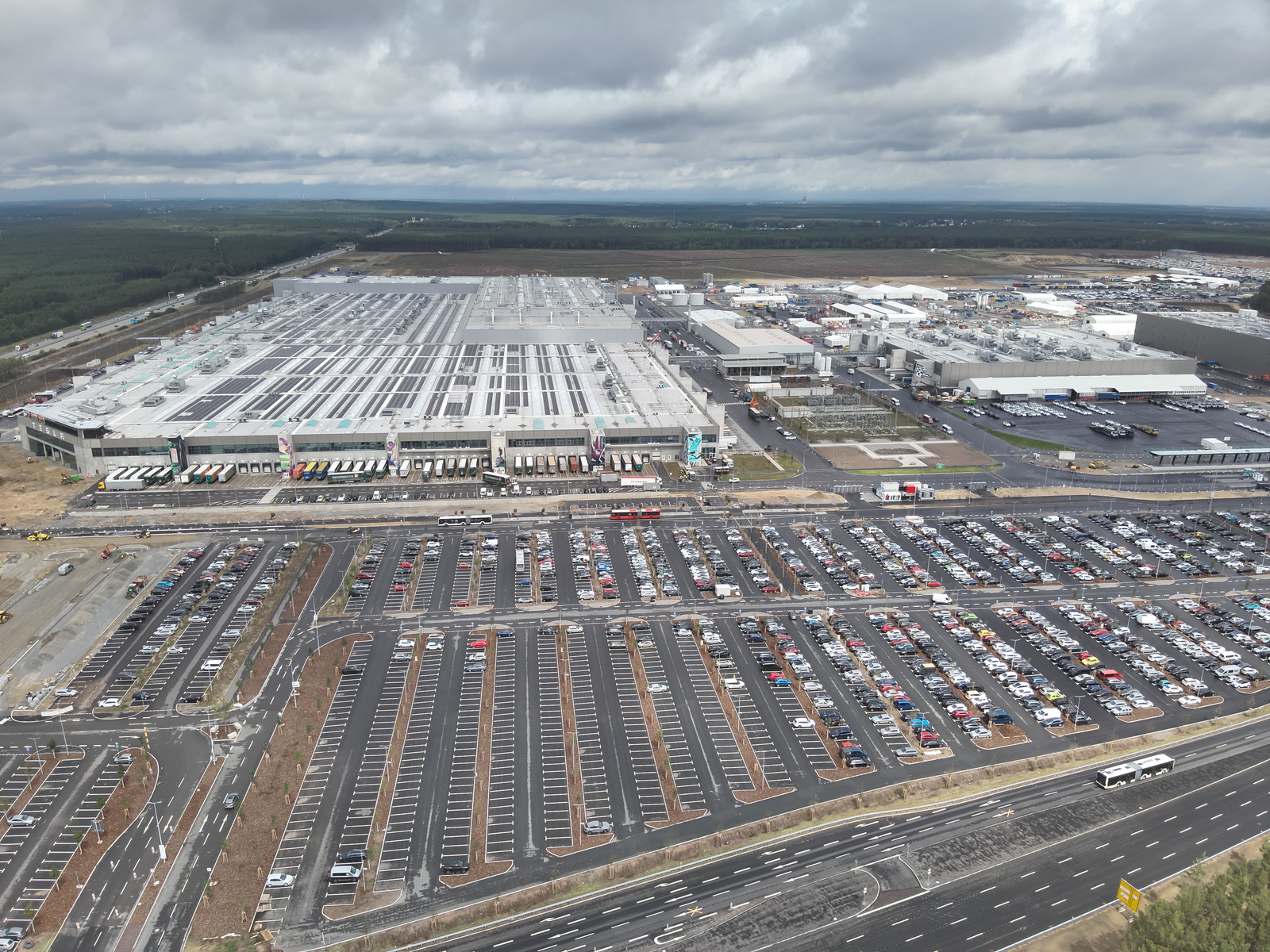
Joshua Olusola, a 2023 graduate of Michigan Tech’s Master of Science in Mechatronics program, illustrates the career trajectory enabled by such training. “I was super excited when I saw the mechatronics program,” he says, noting its emphasis on industrial robotics with FANUC systems and controls using Allen-Bradley PLCs. His education prepared him for his current role at Tesla’s Gigafactory in Austin, Texas, where he supports manufacturing lines for battery packs and drive units.
Mechatronics is not simply a blend of disciplines—it is a strategic approach to engineering that emphasizes efficiency, quality, safety, and adaptability. By equipping engineers with cross-domain expertise, it addresses the demands of Industry 4.0 and artificial intelligence-driven automation. As Gauthier observes, “The future is here today—but rest assured, it will be different tomorrow.”