

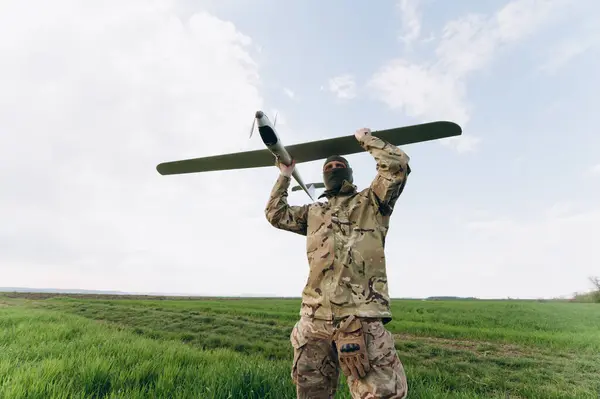
Fort Drum Symposium Advances Counter-Drone Tactics
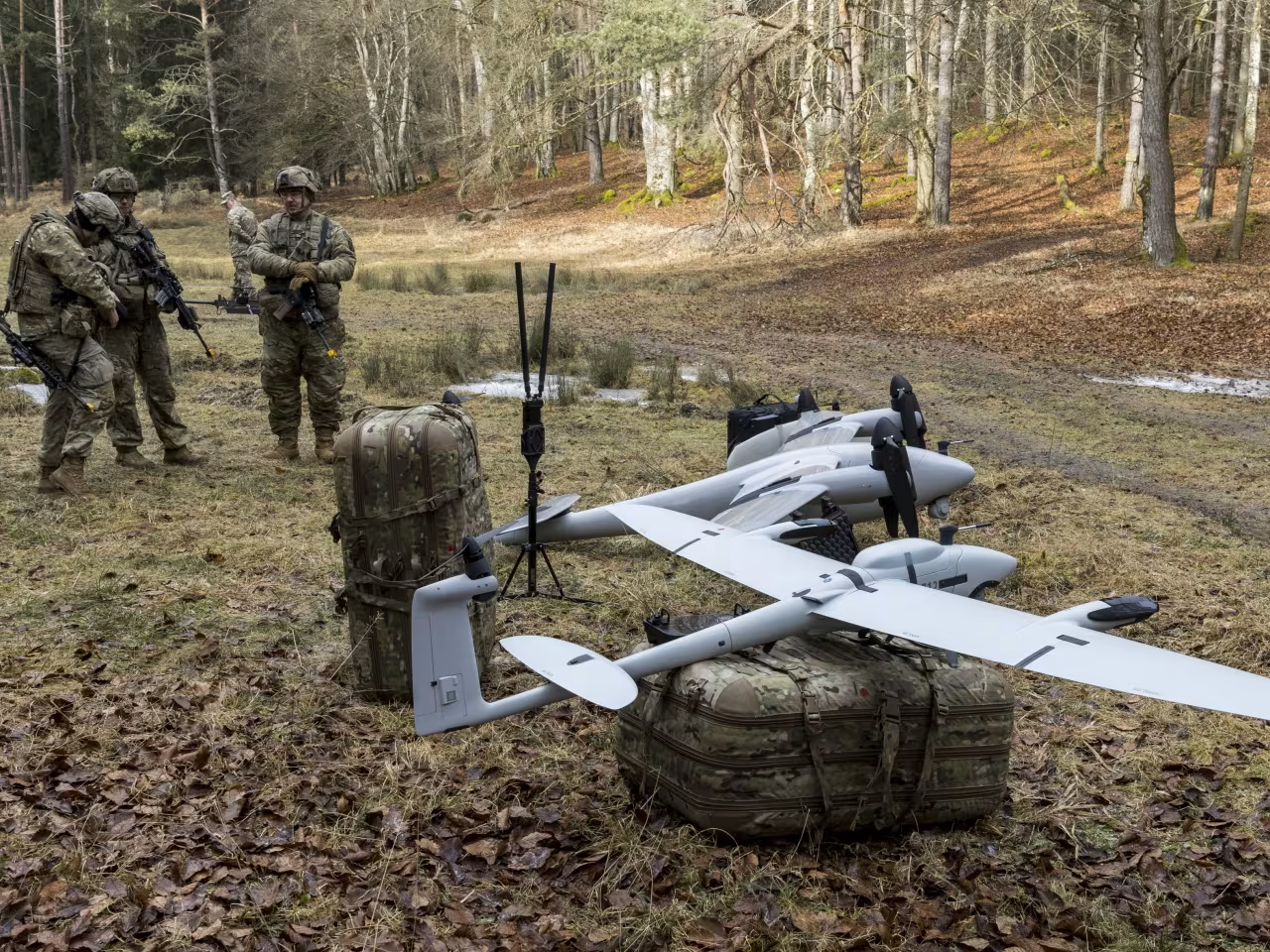
At Fort Drum, New York, more than 40 organizations converged for the 2024 Counter-Unmanned Aerial Systems Symposium, held May 28-30. The gathering brought together U.S. Army units, representatives from the Department of Defense, the U.S. Air Force, the U.S. Navy, allied service members from Canada and the United Kingdom, and a range of counter-UAS industry partners. The focus was on distilling operational lessons from the 2nd Brigade Combat Team, 10th Mountain Division (Light Infantry), following its recent deployment to Iraq and Syria in the U.S. Central Command area of responsibility.
Brig. Gen. Kendall J. Clarke, deputy commander of operations for the division, framed the event’s purpose in terms of operational agility. “Transformation in contact is our method of [innovation] by liberating commanders and putting the ‘rifle’ back in their hands to learn,” he said. Emphasizing the urgency of the subject, Clarke added, “Because counter-UAS is such an important topic, we deemed it necessary to widen the aperture to this vast audience.”
The symposium aimed not only to prepare attendees with hard-earned field experience but also to foster the exchange of new concepts that could influence Army leadership decisions and enhance the readiness of future deploying units. Col. Scott Wence, commander of the 2nd Brigade Combat Team, underscored the role of leadership in this process. “It takes ownership by senior leaders across our brigade formations to continue to improve and be effective,” he stated.
Beyond presentations, the event incorporated immersive exercises. Participants engaged in simulated Battle Drill Operation Center scenarios, rehearsing responses to attack situations. These drills mirrored the operational tempo and decision-making pressures encountered in theater. Wence challenged attendees to elevate their expertise: “Cursory knowledge is great, but you’re graduating to the PhD level. I challenge you to ask hard questions, and whether or not you see one or one hundred [drones], we want you ready.”
Technical discussions covered a spectrum of counter-UAS measures. System improvements were examined in detail, including refinements to detection, tracking, and engagement systems. Outstation hardening emerged as a critical defensive layer, encompassing both physical fortifications and procedural safeguards designed to mitigate the effects of aerial threats. Crisis response protocols were also highlighted, credited with saving lives during and after attacks.
The operational backdrop underscored the stakes. Since October 7, 2023, the 2nd Brigade had endured over 170 attacks, 114 of them involving unmanned aerial systems. These engagements tested the brigade’s layered defense approach, integrating electronic warfare, kinetic intercepts, and rapid-response drills. Despite the intensity of the threat, of the approximately 2,000 deployed Soldiers, 29 received Purple Hearts for non-life-threatening injuries, and no fatalities resulted from UAS attacks during the rotation.
For engineers and technologists, the symposium’s content reflected the rapid evolution of both threat and countermeasure. Small, inexpensive drones have proven capable of delivering precision strikes or conducting persistent surveillance, challenging traditional force protection paradigms. In response, military units are adapting with a mix of commercial off-the-shelf systems, bespoke military hardware, and increasingly sophisticated software for detection and tracking. Integration of these tools into cohesive defensive networks is a central engineering challenge, requiring interoperability across platforms and services.
The presence of allied forces and industry partners highlighted the collaborative nature of counter-UAS development. Cross-national information sharing accelerates adaptation, while industry input ensures that emerging technologies are aligned with operational realities. The iterative loop between field experience, technical innovation, and doctrinal refinement was evident in the discussions.
In the broader context of modern conflict, the Fort Drum symposium illustrated how lessons from the field can drive both tactical and technological transformation. The emphasis on “transformation in contact” reflects a recognition that adaptation must occur under operational pressure, with commanders empowered to experiment, learn, and disseminate best practices in real time.