

Blue Origin BE-4 Engine Failure Disrupts Vulcan Launch Plans
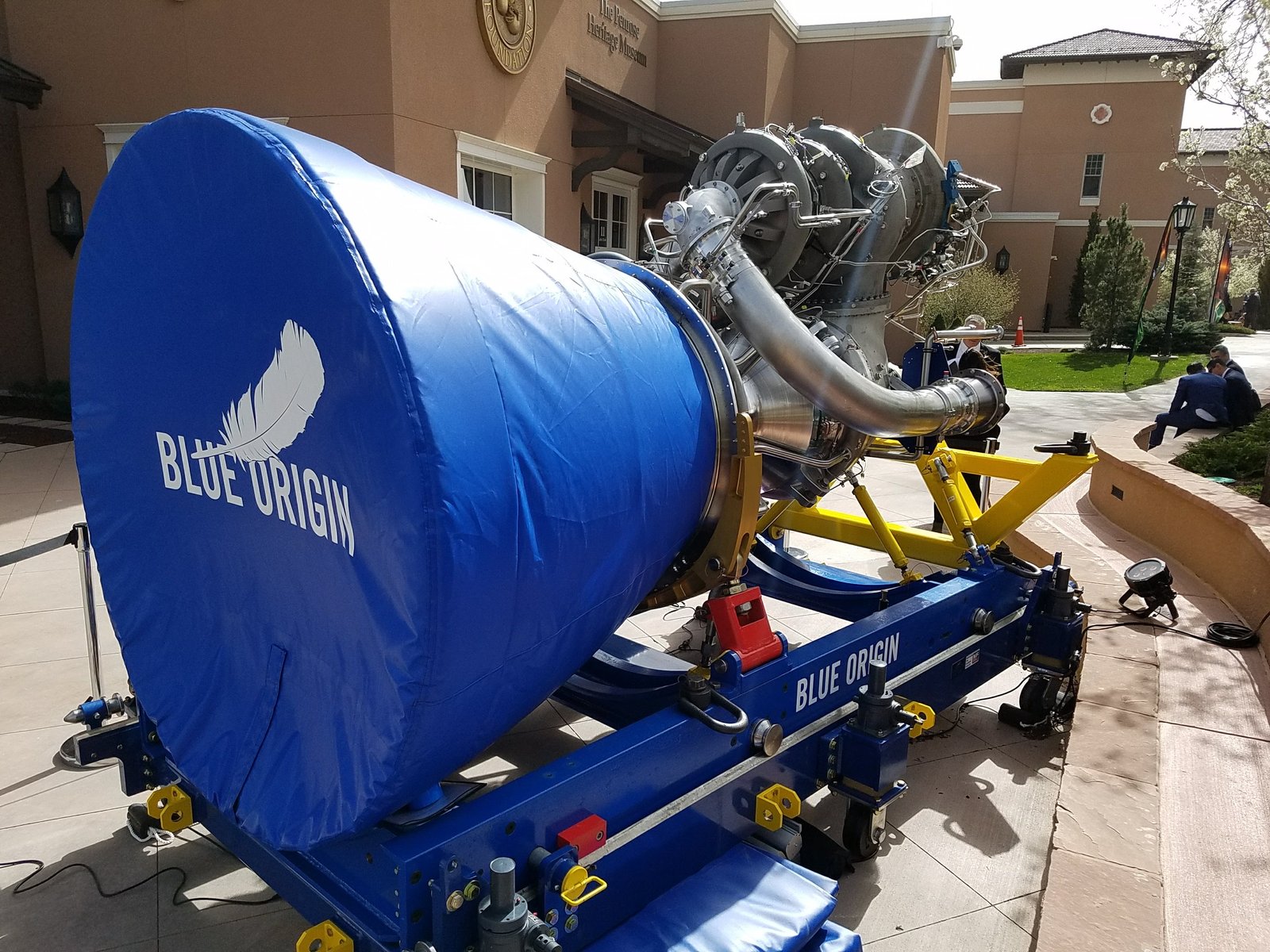
On June 30, at Blue Origin’s West Texas test facility, a BE-4 rocket engine experienced a catastrophic failure during a firing sequence. Approximately ten seconds into the test, the engine detonated, destroying itself and inflicting substantial damage on the surrounding test stand infrastructure. Several individuals familiar with the matter described video footage of the event as showing a dramatic explosion, underscoring the destructive nature of the incident.

The BE-4 engine involved was nearing the end of its qualification campaign and had been slated for delivery in July to United Launch Alliance (ULA). This particular unit, designated Vulcan’s Flight Engine 3, was intended for use on ULA’s second Vulcan rocket launch. ULA, a joint venture between Boeing and Lockheed Martin, relies on the BE-4 as the primary propulsion system for Vulcan’s first stage. The Vulcan platform is central to ULA’s strategy for competing with SpaceX in securing high-value military and national security launch contracts.
In a statement to CNBC, a Blue Origin spokesperson confirmed the event, saying, “We ran into an issue while testing Vulcan’s Flight Engine 3. No personnel were injured and we are currently assessing root cause.” The spokesperson added, “We already have proximate cause and are working on remedial actions.” The company emphasized that ULA was informed immediately after the incident and reassured stakeholders that testing operations in West Texas would continue. Blue Origin operates two dedicated test stands at the site, enabling parallel work on multiple engines.
Despite the loss of Flight Engine 3, Blue Origin stated, “We will be able to meet our engine delivery commitments this year and stay ahead of our customer’s launch needs.” This commitment is critical, as the BE-4 program has already faced years of delays, with initial delivery timelines slipping due to technical challenges in developing its methane-fueled, oxygen-rich staged combustion cycle—a design that promises high efficiency but demands precise engineering and materials performance under extreme thermal and pressure conditions.
The BE-4 represents a significant milestone in U.S. propulsion technology. As a large staged combustion engine burning liquefied natural gas (LNG) and liquid oxygen (LOX), it departs from the kerosene-fueled heritage of earlier American boosters. Methane offers cleaner combustion, reducing coking in engine components, and can be sourced from both terrestrial and extraterrestrial environments, aligning with long-term visions for sustainable space operations. However, the staged combustion process, which routes partially combusted hot gases through turbines before final combustion, imposes intense mechanical and thermal loads on turbomachinery, injector assemblies, and combustion chambers.
Failures during development are not uncommon in high-performance rocket engine programs. Historical precedents include early SpaceX Raptor and NASA RS-25 test stand incidents, each leading to design refinements and improved reliability. The key lies in diagnosing root causes—whether related to manufacturing tolerances, material fatigue, sensor anomalies, or fluid dynamics instabilities—and implementing corrective measures without compromising schedule or safety.
For ULA, the incident adds pressure to maintain Vulcan’s launch cadence. The rocket’s inaugural flight in May marked a pivotal transition away from the Atlas V, which relied on Russian RD-180 engines. Vulcan’s success is essential to meeting U.S. Space Force requirements for assured access to space. Any delay in BE-4 deliveries could ripple through mission planning, payload integration timelines, and contractual obligations.
Blue Origin’s assurance of meeting commitments suggests confidence in its production pipeline and test infrastructure resilience. With two stands in operation, the company can isolate damaged equipment while continuing qualification of other flight engines. This redundancy is a common strategy in aerospace testing, designed to mitigate the impact of single-point failures.
The incident underscores the unforgiving nature of rocket propulsion development, where even mature designs can reveal vulnerabilities under full-scale operational stresses. For engineers and enthusiasts, it offers a reminder that each successful launch is preceded by countless hours of testing, iteration, and, at times, destructive setbacks that ultimately shape the reliability of future missions.