


WingXpand’s Expandable-Wing Drone Targets Multi-Sector Needs
A new entrant in the unmanned aerial vehicle sector is drawing attention for merging the portability of multi-rotor designs with the endurance and payload capacity of fixed-wing aircraft. WingXpand, a St. Louis-based startup co-founded by Michelle Madaras and CEO James Barbieri, has engineered what it describes as the world’s only expandable-wing drone. When disassembled, the aircraft weighs roughly 10 pounds and fits into a backpack. Onsite assembly takes less than two minutes, transforming it into a plane-like UAV with a seven-foot wingspan. This configuration enables flight durations up to five times longer and payload capacities ten times greater than conventional quadcopters.

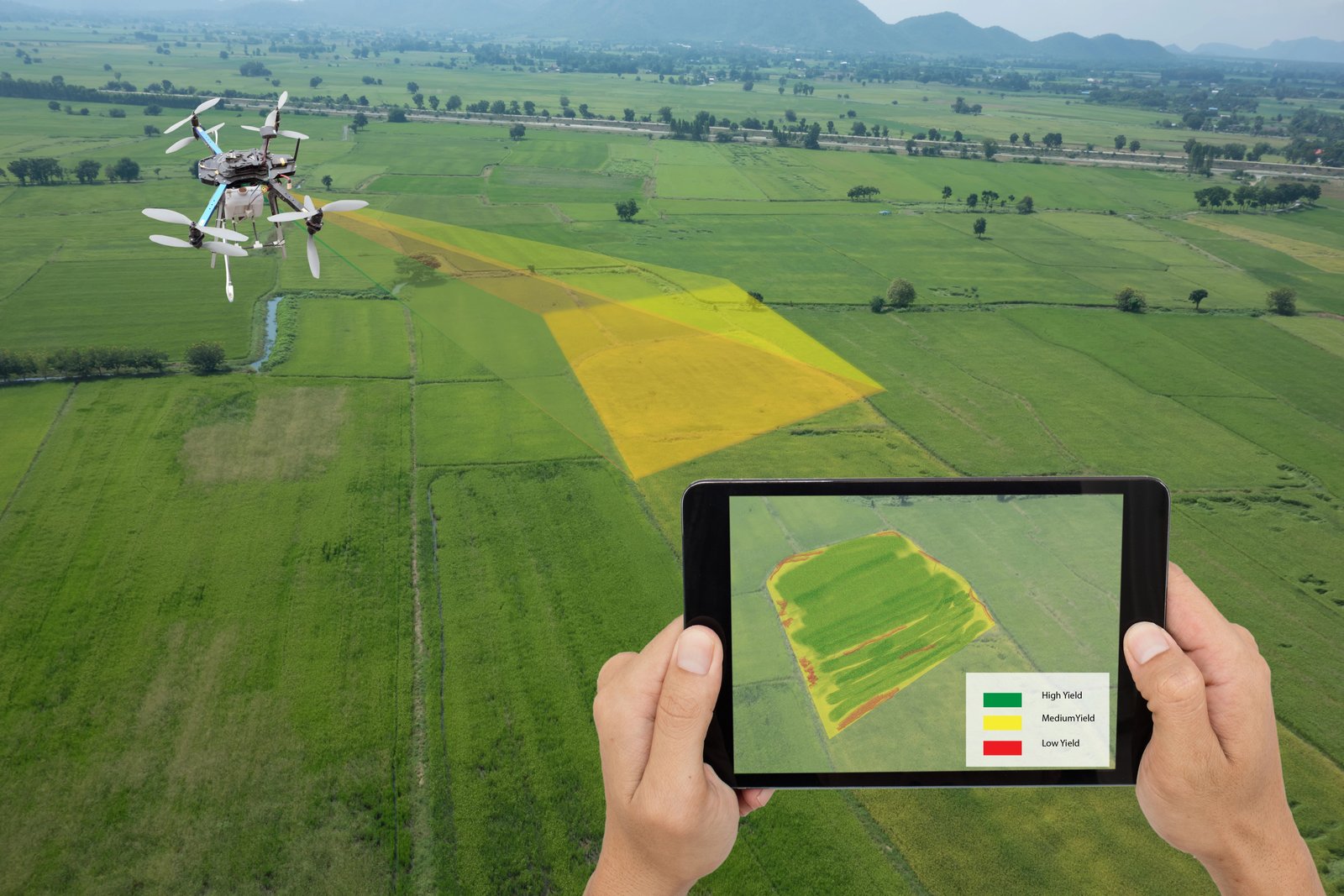
WingXpand showcased its flagship model at the AUVSI Xponential event in April, with plans to begin customer deliveries in the third quarter. “We’ve been working closely with our commercial customers,” Barbieri said. “We’ve been working with our agriculture community and large ag-tech companies that have interests in an ag drone that can fly longer, carry more pro tools and be just as simple and easy to operate as a quadcopter.” The agricultural sector’s interest stems from the drone’s ability to carry specialized sensors and cameras for crop monitoring over extended periods without frequent battery changes.
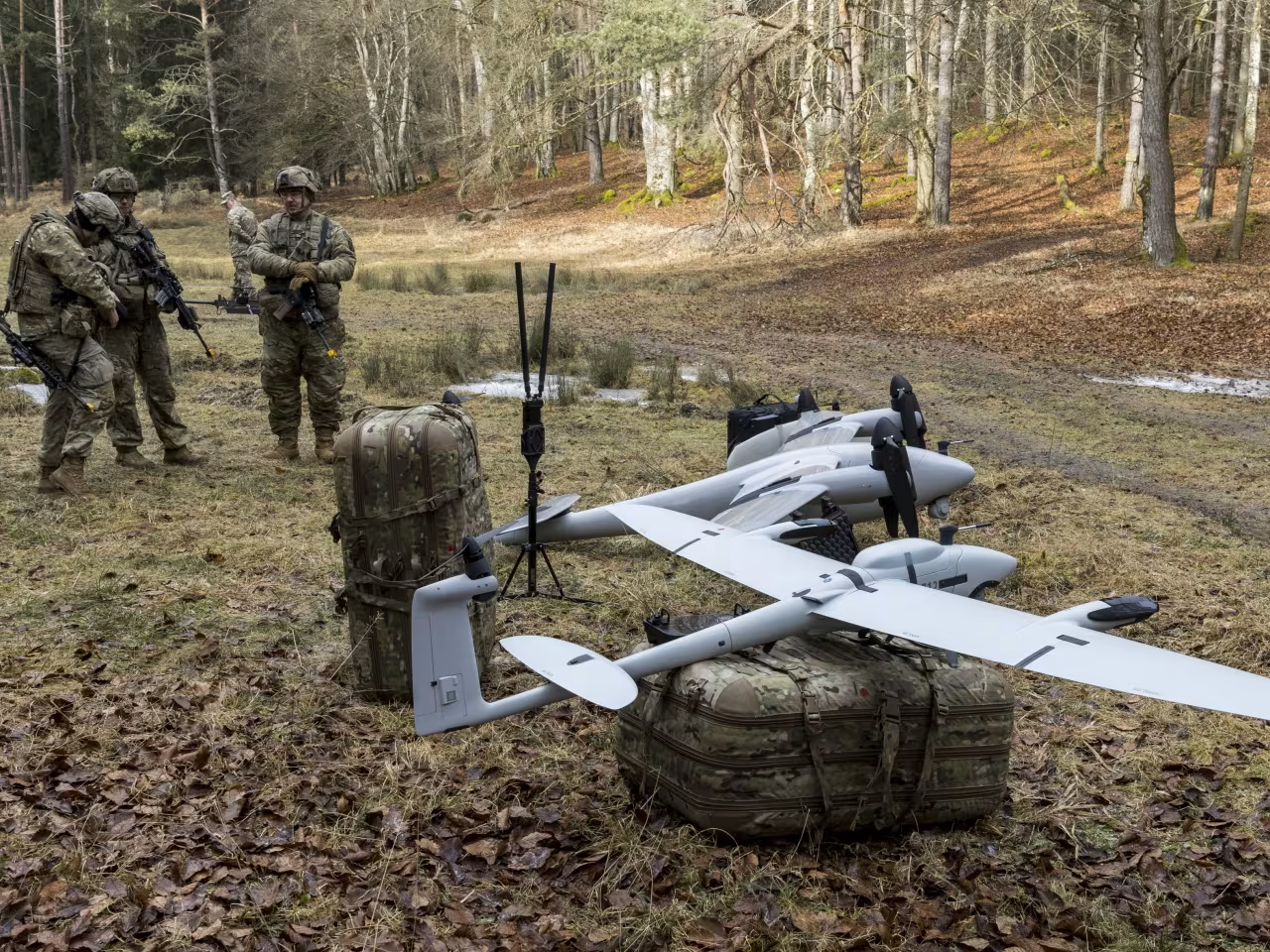
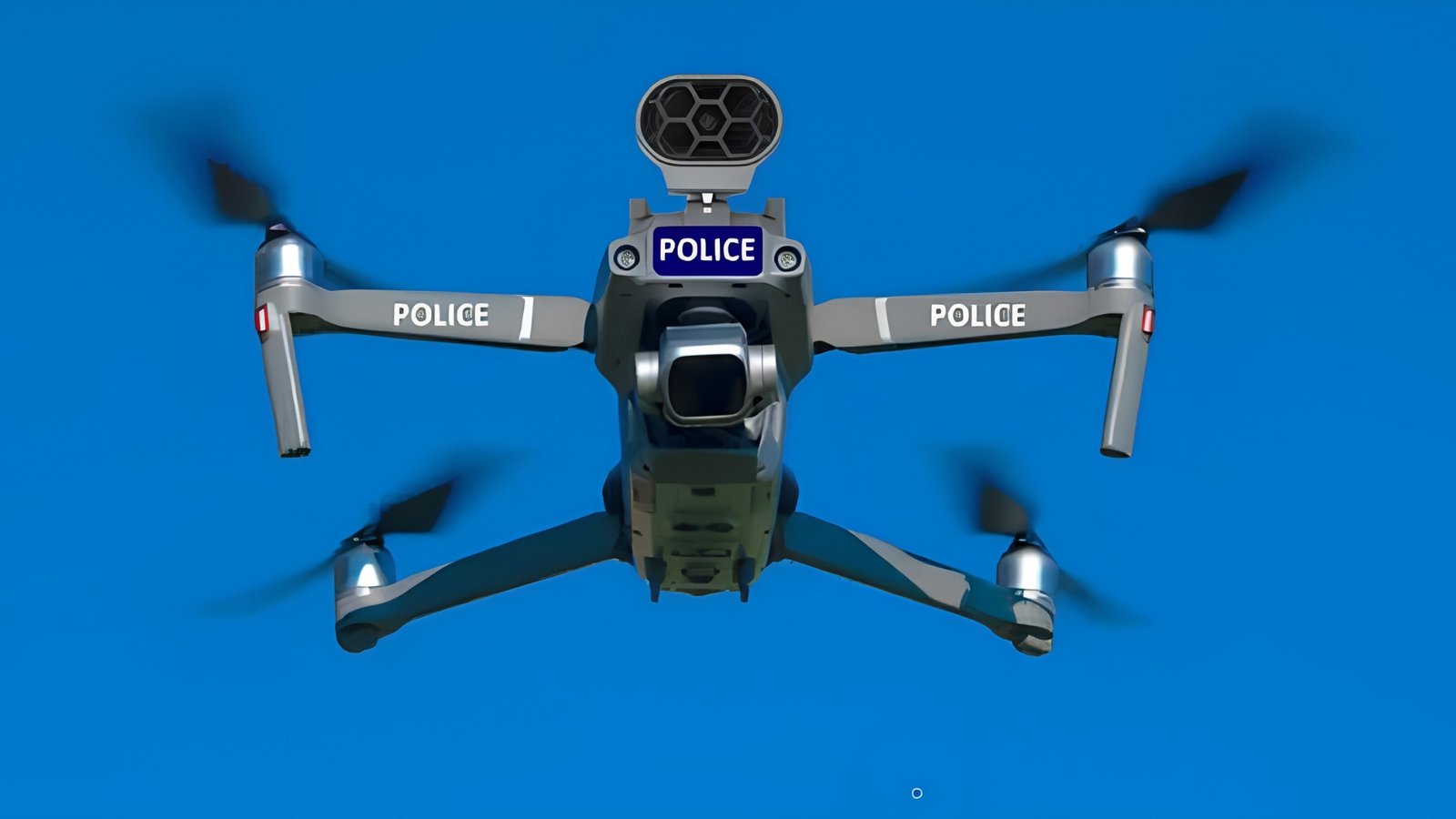
Beyond agriculture, WingXpand is engaging with government and first-responder agencies for applications such as wildfire surveys and infrastructure inspections. The company also presented its UAV at the Special Operations Forces Industry Conference in Tampa, aiming to serve security and defense markets. “We’ve heard from a lot of folks in the special forces community, both here, domestically in the United States and also internationally,” Barbieri noted. Manufacturing will be based in the U.S., with all components compliant with the National Defense Authorization Act.
The drone’s open modular architecture is central to its versatility. Operators can swap payloads to adapt the aircraft for surveying, insurance inspection, aerial videography, or package delivery. “We have a lot of flexibility with that payload integration, and we can also partner with our clients on custom integrations,” Barbieri said. This adaptability is enhanced by onboard Edge AI software, enabling real-time object detection and autonomous operation in GPS-denied environments. “We actually have a smart computer on board WingXpand so that we can have real-time object detection and also resiliency in GPS-denied environments,” Barbieri explained. This capability allows the drone to execute return-to-home or predefined exit procedures if GPS signals are lost mid-mission.
The expandable-wing concept is protected under Barbieri’s patent. He identified a gap in the market for a small UAV capable of longer flights and heavier payloads than existing multi-rotor or fixed-wing options. “Bigger wings equal longer flight times and you can carry more pro tools for our professional customers,” he said. Following prototype development, WingXpand secured FAA airworthiness certifications and conducted flight tests, progressing to an optimization phase for commercial-scale production. Initially relying on smaller local facilities, the company is now collaborating with a larger manufacturing partner to meet anticipated demand.
Durability is a design priority. The drones will use aerospace-grade materials to resist damage better than less robust UAVs. Modular construction facilitates rapid replacement of worn or damaged components, minimizing downtime. Payload options range from retractable high-resolution micro-gimbal cameras to multi-spectral sensors for agricultural analysis. The onboard high-resolution camera and customizable sensors allow field data review. “With WingXpand’s Edge AI payload you can pre-set what you want the drone to flag so it can take a closer look all on its own,” Barbieri said.
WingXpand’s offerings extend beyond hardware. The company provides consultation services, FAA Part 107-certified pilots for client missions, training for flight and certification, and data analysis support. “We are with our clients for the long haul,” Barbieri emphasized. This integrated approach positions WingXpand to serve diverse sectors requiring adaptable, high-performance UAV solutions.