

Army Advances Future Tactical Drone Competition
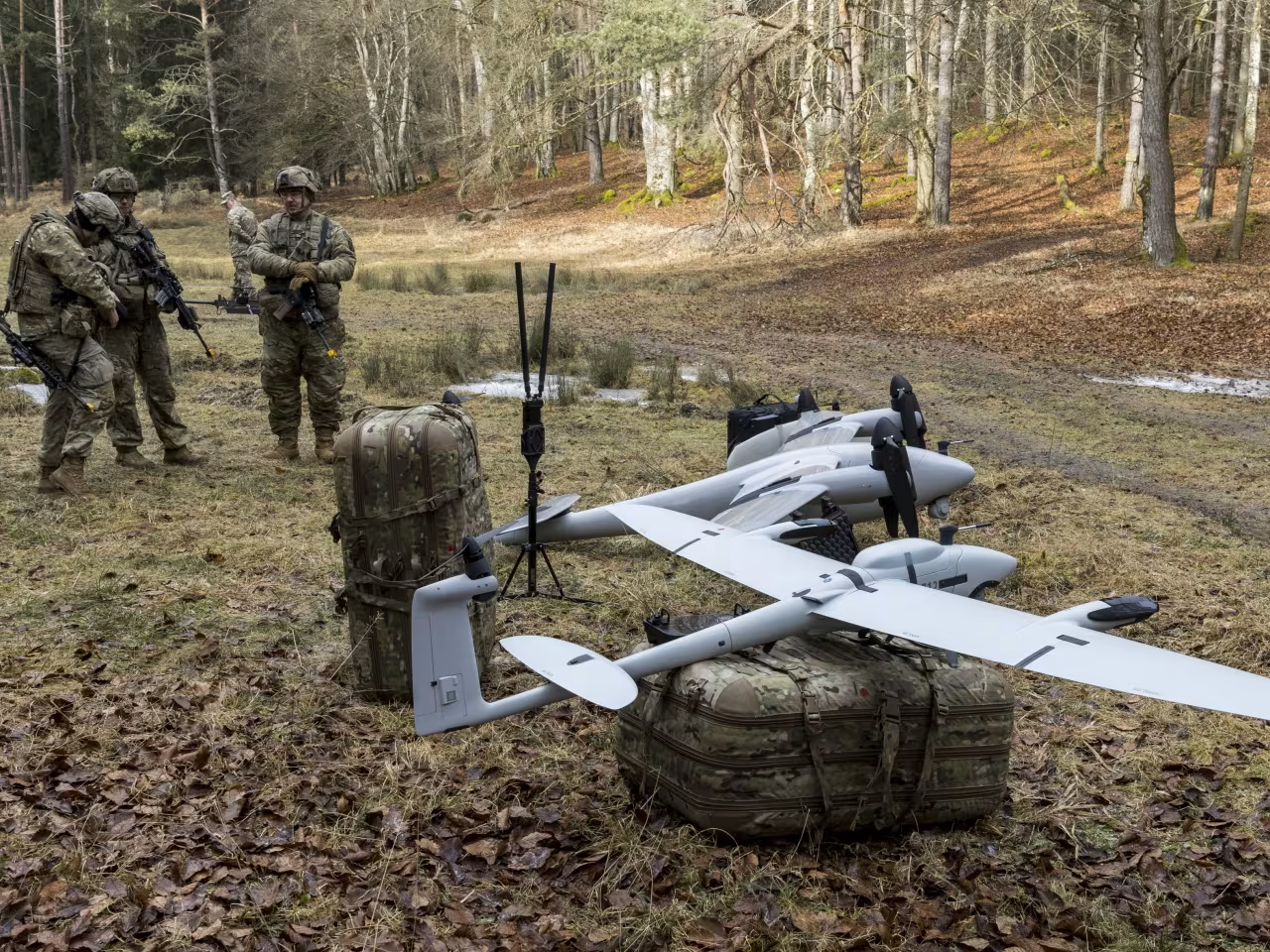
The U.S. Army has moved a step closer to replacing its long-serving RQ-7B Shadow unmanned aircraft system, selecting five companies to compete in the Future Tactical Unmanned Aircraft System (FTUAS) program. According to a February 28 statement, Aerovironment, Griffon Aerospace, Northrop Grumman, Sierra Nevada Corporation, and Textron Systems each secured contracts valued between $1 million and $25 million. Over the next three years, these firms will progress through five development phases and four option periods, refining designs and proving capabilities under rigorous evaluation.

The Army began shaping requirements for a Shadow successor in 2018, driven by operational needs for greater flexibility, mobility, and survivability in contested environments. By 2019, the service had narrowed the initial field to four competitors: a Martin UAV–Northrop Grumman team, Textron Systems, L3Harris Technologies, and Arcturus UAV. Industry consolidation soon reshaped the lineup—Aerovironment acquired Arcturus in 2021, while Shield AI purchased Martin UAV the same year.
Field evaluations played a pivotal role in shaping the program. Over the course of a year, operational units tested candidate systems, culminating in a spring 2021 “rodeo” at Fort Benning, Georgia. These trials informed the Army’s decision in August 2022 to award Aerovironment an $8 million contract to provide its Jump 20 system as an interim FTUAS capability for a single brigade.
In October 2021, the Army reopened the competition for Increment 2 with a request for white papers, drawing a broader pool of bidders. The updated roster retained most original contenders except L3Harris, while adding Sierra Nevada Corporation and Madison, Alabama-based Griffon Aerospace. Boeing’s Insitu also confirmed it had submitted a bid for this phase.
Increment 2 will unfold in structured stages. The base period and two option periods will focus on design reviews, followed by live flight demonstrations and independent verification of modular open systems architectures (MOSA) during the third option period. Teams advancing to the fourth option period will deliver complete systems—including air vehicles, mission packages, payloads, and ground control stations—along with technical manuals, to undergo qualification testing and operational assessments.
“These systems will undergo numerous evaluation activities such as environmental testing, electromagnetic environmental effects testing, MOSA verification, and flight qualification testing,” the Army stated. Testing will occur at both company facilities and government ranges, ensuring performance under realistic operational stresses.
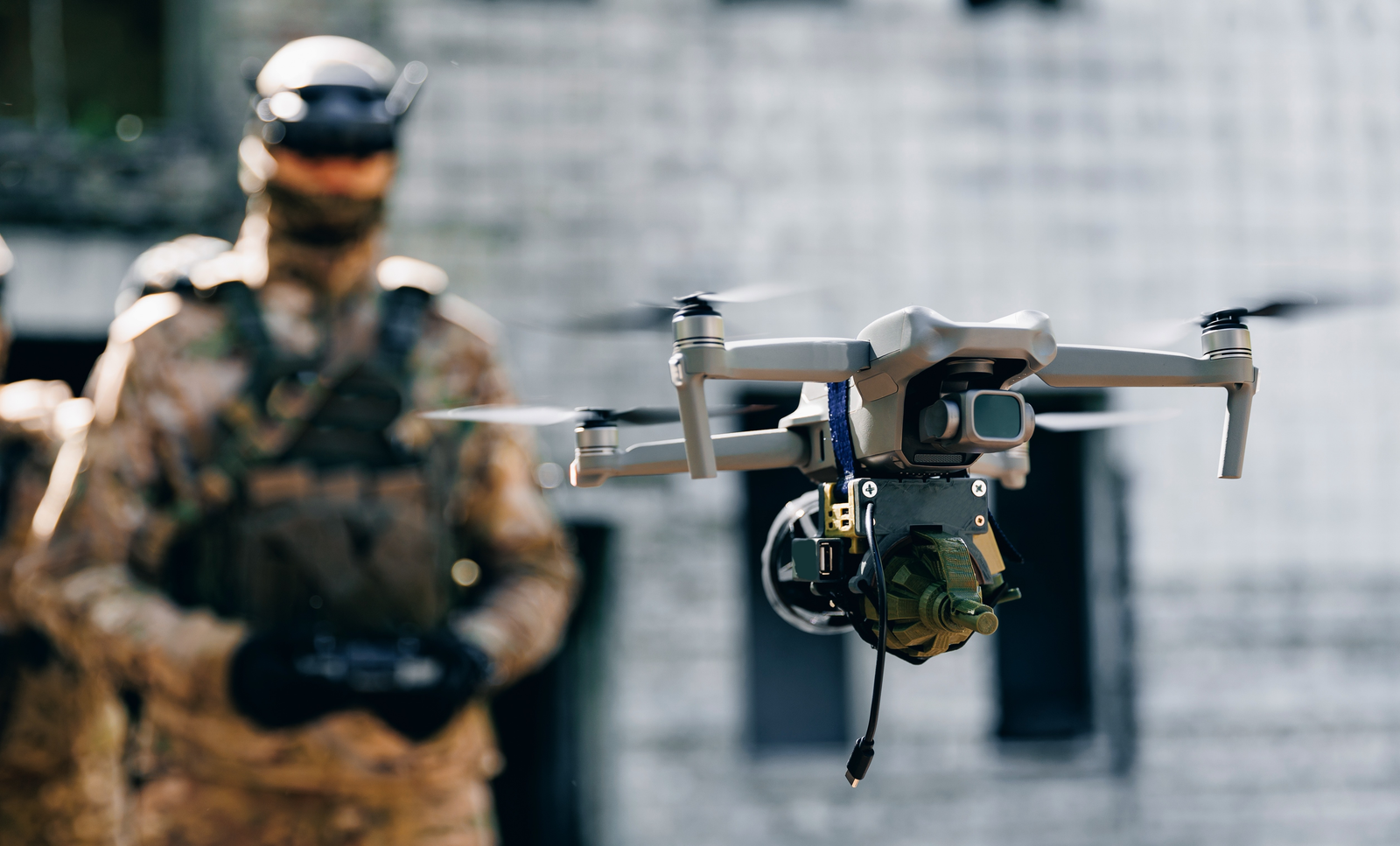
The Army’s requirements emphasize vertical take-off and landing (VTOL) capability to eliminate reliance on runways, enabling deployment from confined or austere locations. Enhanced maneuverability, the ability to control the aircraft while on the move, and a reduced logistical footprint are also priorities. Acoustic signature reduction is critical to minimizing detection by adversaries, particularly in reconnaissance and surveillance roles.
The FTUAS is expected to bolster brigade combat teams’ capacity to “conduct reconnaissance and surveillance operations that collect, develop, and report actionable intelligence information about the enemy in degraded Global Positioning System environments,” according to the Army. This reflects a broader push to ensure unmanned systems remain effective in GPS-denied or electronically contested battlespaces.
Program timelines outlined in fiscal 2023 budget documents indicate the competitive prototyping phase will conclude in the first quarter of fiscal year 2025. A rapid fielding decision is slated for the second quarter of FY25, followed by an operational evaluation in the third quarter. Full-rate production is targeted for the second quarter of FY26.
For engineers and technologists, the FTUAS effort underscores the convergence of autonomy, modularity, and survivability in modern unmanned systems. The emphasis on MOSA aligns with a Department of Defense-wide push to ensure future platforms can be upgraded rapidly with new sensors, communications links, or mission software without extensive redesign. VTOL capability, once a niche feature, is now a baseline expectation for tactical drones, reflecting the operational premium on mobility and rapid deployment.
The program’s competitive structure also illustrates how the Army is leveraging industry innovation. By maintaining multiple contenders deep into the development cycle, the service aims to drive technical advances while preserving cost discipline. The eventual winner will not only replace the Shadow but set the template for how tactical unmanned aircraft integrate into combined arms operations in the years ahead.