

SpaceX Fleet Mobilizes for Dual Launch Operations
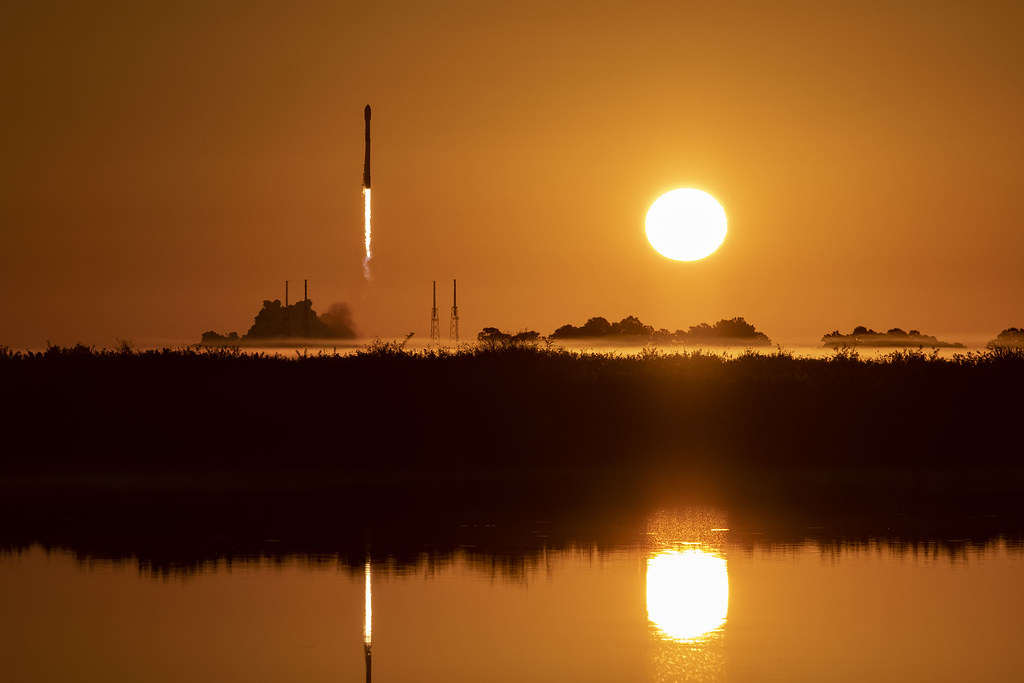
SpaceX’s maritime assets have surged into action to support an unusually dense sequence of launch and recovery operations, reflecting the company’s sustained high tempo in early 2022. Several vessels from its fleet are now deployed for two Falcon 9 missions scheduled within days of each other, both involving commercial payloads and return-to-launch-site (RTLS) booster recoveries.

While three Falcon 9 launches are planned over the coming week, only one will require a drone ship for booster recovery. This rare alignment of missions capable of RTLS landings means fewer drone ships are needed, but the overall fleet activity remains extensive. Up to six ships will be at sea within days, engaged in multiple recovery roles ranging from booster retrieval to payload fairing recovery.
The operations span both coasts. On January 24th, GO Searcher completed recovery of a Cargo Dragon spacecraft from the Gulf of Mexico, following its return from the International Space Station. The vessel is en route to Port Canaveral for cargo unloading, inspection, and refurbishment of the capsule. Arrival is expected by the weekend.
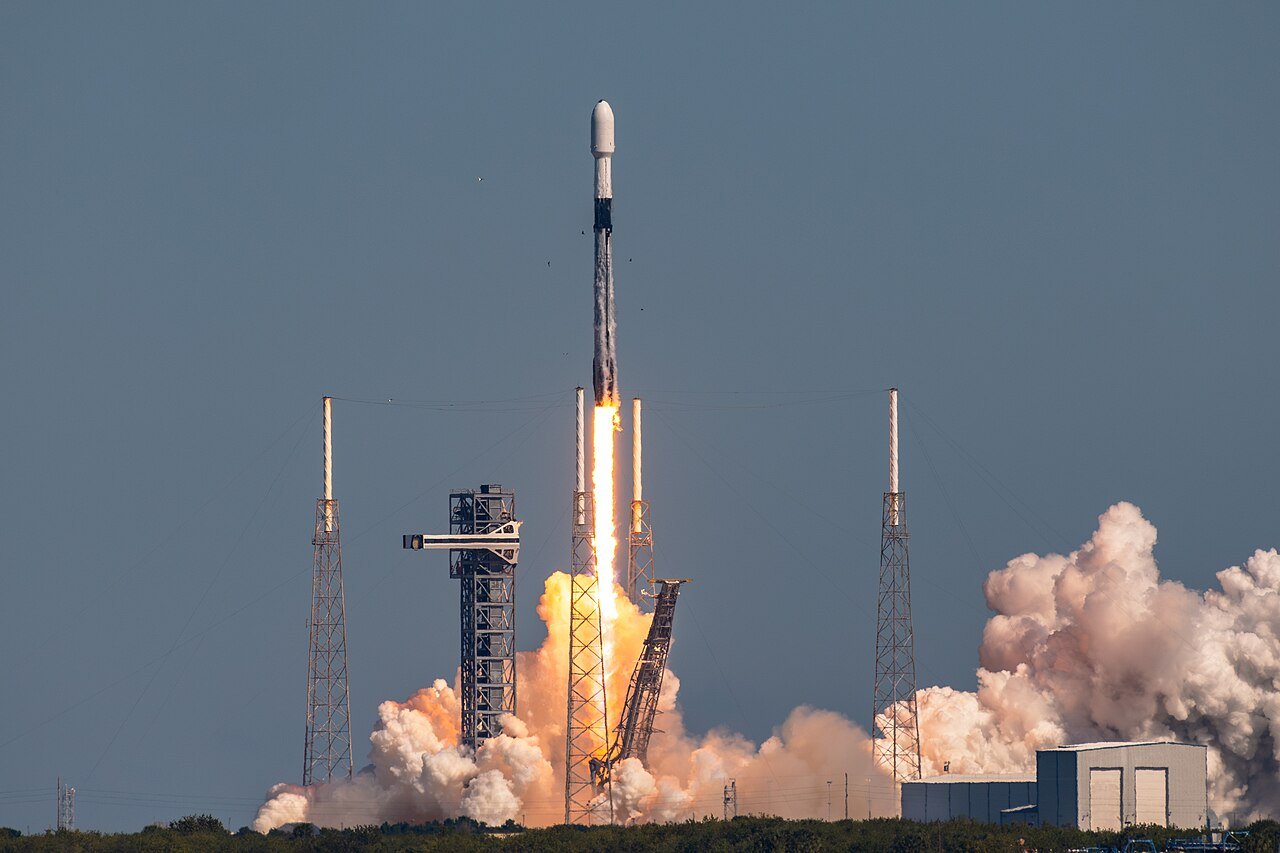
On January 25th, the drone ship *A Shortfall of Gravitas* departed Port Canaveral under tow by the tug *Zion M Falgout*, bound for a recovery zone approximately 650 kilometers southeast. This deployment supports the Starlink 4-7 mission, scheduled no earlier than 3:00 p.m. EST (20:00 UTC) on January 29th. The tug will also serve as the support platform for recovery crews.
Later the same day, the support ship *Bob* left port heading south to a location north of Cuba. Its task is to recover the payload fairing halves from Falcon 9’s January 27th launch of Italy’s CSG-2 Earth observation satellite, set for 6:11 p.m. EST (23:11 UTC). The booster for this mission will perform an RTLS maneuver to Cape Canaveral’s Landing Zone 1. Sister ship *Doug* is expected to depart on January 26th or 27th to recover fairings from the Starlink 4-7 mission.
On the West Coast, either *NRC Quest* or *GO Quest* will likely leave the Port of Long Beach on January 30th or 31st. This vessel will recover payload fairings from the February 2nd launch of the National Reconnaissance Office’s NROL-87 mission. After delivering its classified payload, the Falcon 9 first stage will execute a boost-back and land at Landing Zone 4 at Vandenberg Space Force Base.
The coordination required for these operations is substantial. Each recovery mission demands precise navigation, timing, and specialized handling equipment to secure components in often challenging sea conditions. Fairing recovery, in particular, involves locating and retrieving two large composite shells that have descended under parachutes, a process requiring careful tracking and maneuvering to avoid damage.
SpaceX’s ability to conduct multiple recoveries in parallel underscores the maturation of its maritime logistics. The fleet includes drone ships for autonomous booster landings, fast support vessels for crew and equipment transport, and specialized recovery ships for fairings and spacecraft. This multi-role capability enables rapid turnaround between missions and maximizes asset utilization.
The CSG-2 satellite, operated by the Italian Space Agency, is part of the COSMO-SkyMed Second Generation constellation, designed for high-resolution radar imaging. Its deployment will enhance Earth observation capabilities for applications ranging from environmental monitoring to disaster response. The Starlink missions, by contrast, contribute to SpaceX’s growing broadband network, which relies on large batches of satellites launched in quick succession.
In February 2022, as many as four additional Starlink launches are anticipated—three from Florida and one from California—further extending the demand on SpaceX’s fleet. The company’s operational rhythm, blending commercial payloads, government missions, and its own constellation deployments, continues to push the boundaries of reusable launch infrastructure.