

NASA’s VIPER Rover Targets Nobile Crater for 2023 Moon Mission
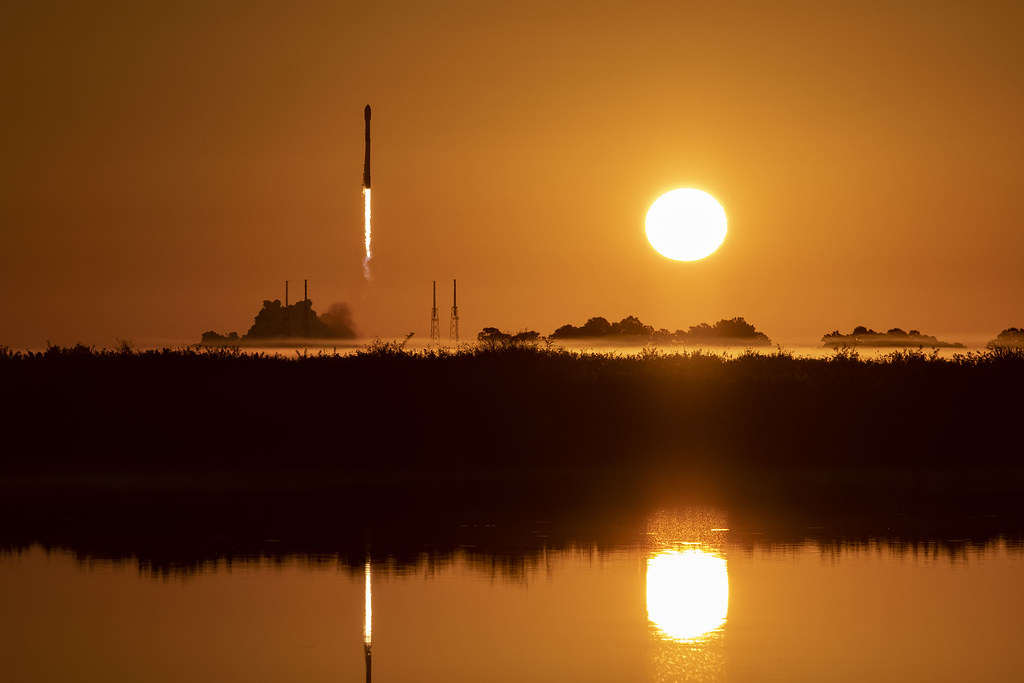
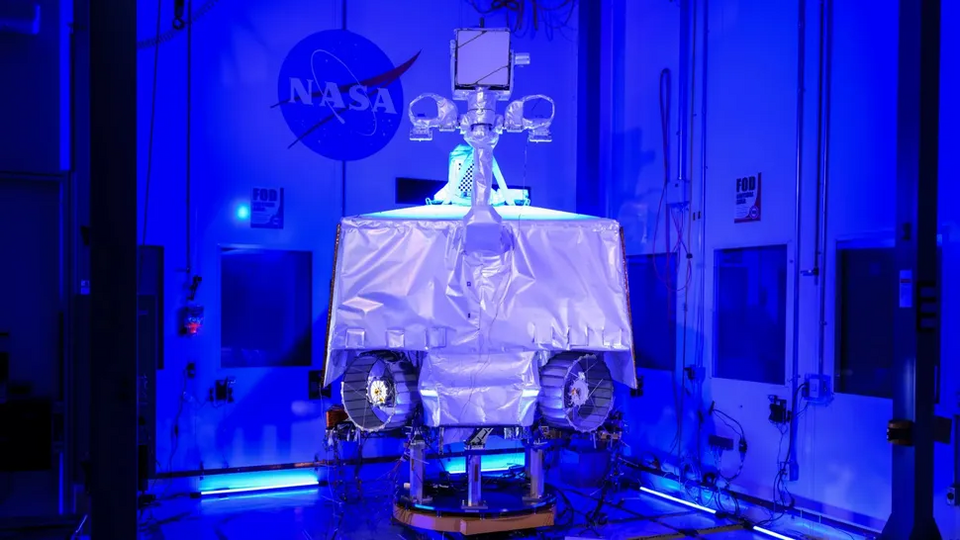
NASA’s Volatiles Investigating Polar Exploration Rover (VIPER) has locked in its destination for a late 2023 mission: a landing site west of Nobile Crater in the Moon’s south polar region. Developed under the Commercial Lunar Payload Services program, VIPER represents a pivotal step toward future human exploration of the lunar poles. The $660 million mission will ride to the Moon aboard a SpaceX Falcon Heavy, mounted on Astrobotic’s Griffin lunar lander—marking the first time a NASA rover will deploy via a commercial lander.
Astrobotic, based in Pittsburgh, has engineered the Griffin lander to deliver payloads either into lunar orbit or directly onto the surface. Once Griffin touches down, ramps will allow the golf cart-sized rover to roll onto the regolith, perform system checkouts, and begin its science operations. The chosen site is one of 11 regions of interest identified by scientists for their potential to host permanently shadowed regions (PSRs) containing subsurface water ice, while still offering safe landing conditions and adequate sunlight for solar power.
The south polar region has become a focal point for exploration due to confirmed water ice deposits. Evidence came first from India’s Chandrayaan-1 in 2008, followed by NASA’s LCROSS mission in 2009, which detected water ice in debris from a Centaur rocket stage impact. Data from the Lunar Reconnaissance Orbiter’s Diviner instrument further refined maps of PSRs suitable for ice preservation.
Mission planners applied four selection criteria: sunlight availability for solar power, Earth visibility for communications, indications of water ice, and terrain navigable by the rover. Nobile Crater emerged as the optimal choice. NASA associate administrator for science Thomas Zurbuchen stated, “Once on the lunar surface, VIPER will provide ground truth measurements for the presence of water and other resources at the Moon’s South Pole, and the areas surrounding Nobile Crater showed the most promise in this scientific pursuit.”
VIPER’s prime mission spans 100 days, during which it will traverse the crater’s surroundings to map ice deposits, assess accessibility, and characterize regolith and shadowed zones. Taller and heavier than the Spirit and Opportunity Mars rovers, VIPER can drive at twice their speed, enabling greater coverage in less time.
Operating in the lunar polar environment demands resilience to extreme temperatures—from highs of 127°C to lows of -223°C in PSRs, among the coldest places in the solar system. The rover’s design incorporates multiple insulation layers and heat pipes to manage thermal extremes. The Sun’s low angle at the poles creates long shadows, so VIPER must avoid extended stays in darkness. It can survive up to four Earth days without sunlight, aided by the ability to climb slopes up to 30 degrees to reach elevated areas where nights are shorter than the 14-day lunar average.
The rover carries three primary instruments and a drill. The Neutron Spectrometer System (NSS) will scan below the surface for potential ice deposits. When promising sites are found, the TRIDENT drill—developed by Honeybee Robotics using heritage from Mars rover tools—will extract samples from depths up to one meter. These samples will be analyzed by the Mass Spectrometer Observing Lunar Operations (MSolo) and the Near Infrared Volatiles Spectrometer System (NIRVSS), designed to detect water, carbon dioxide, ammonia, and methane.
VIPER’s findings will contribute to the first global map of extraterrestrial water resources, guiding Artemis program astronauts in resource utilization for fuel, drinking water, and life support. Before VIPER’s deployment, its instruments will undergo lunar testing aboard the Peregrine-1 lander.
Together with Peregrine-1, other CLPS missions, and international efforts, VIPER’s journey signals a new era of lunar exploration—one driven by sustainable practices and a diverse coalition of commercial and governmental participants, moving beyond the geopolitical competition that defined lunar missions of the 20th century.