

Space Tourism’s Role in the Expanding Space Economy
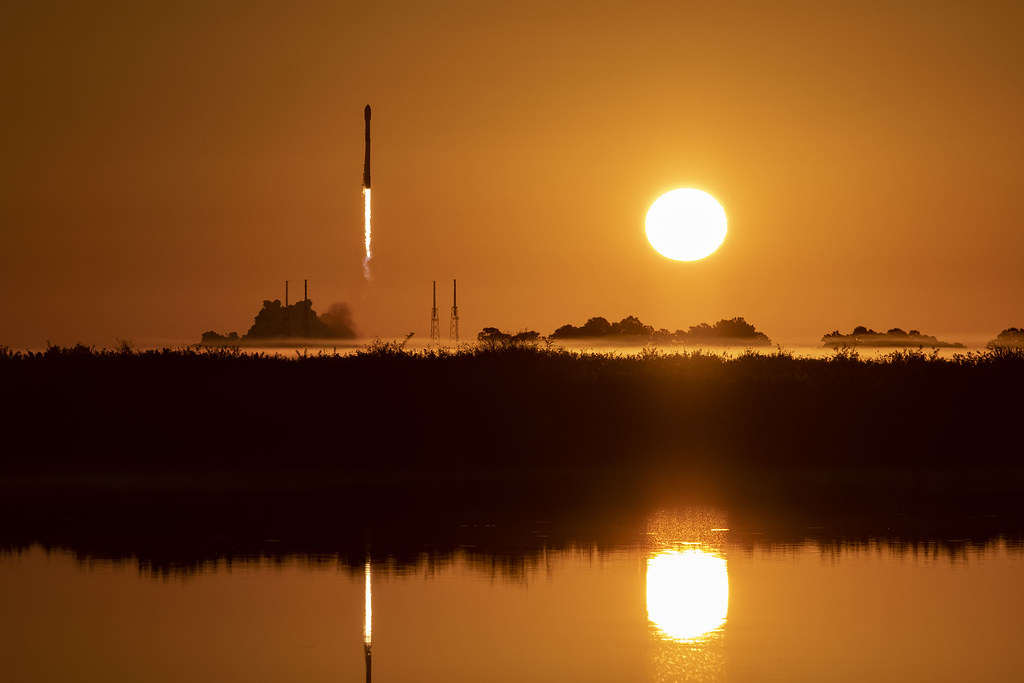
In 2021, the commercial space sector crossed a threshold long anticipated by aerospace engineers and enthusiasts: space tourism became a tangible reality. Missions by SpaceX, Blue Origin, and Virgin Galactic carried private citizens beyond Earth’s atmosphere, marking the first sustained wave of tourist-focused spaceflights. This shift followed a milestone year for commercial launches, with the pace of announcements accelerating into 2022.

Space tourism, defined as recreational travel into space, traces its roots to 2001 when Dennis Tito paid $20 million to journey to the International Space Station aboard a Russian Soyuz. Between 2001 and 2009, eight tourists reached orbit, all relying on government-operated vehicles and facilities. The September 2021 SpaceX mission broke new ground as the first all-private orbital flight, with the crew planning their own itinerary.
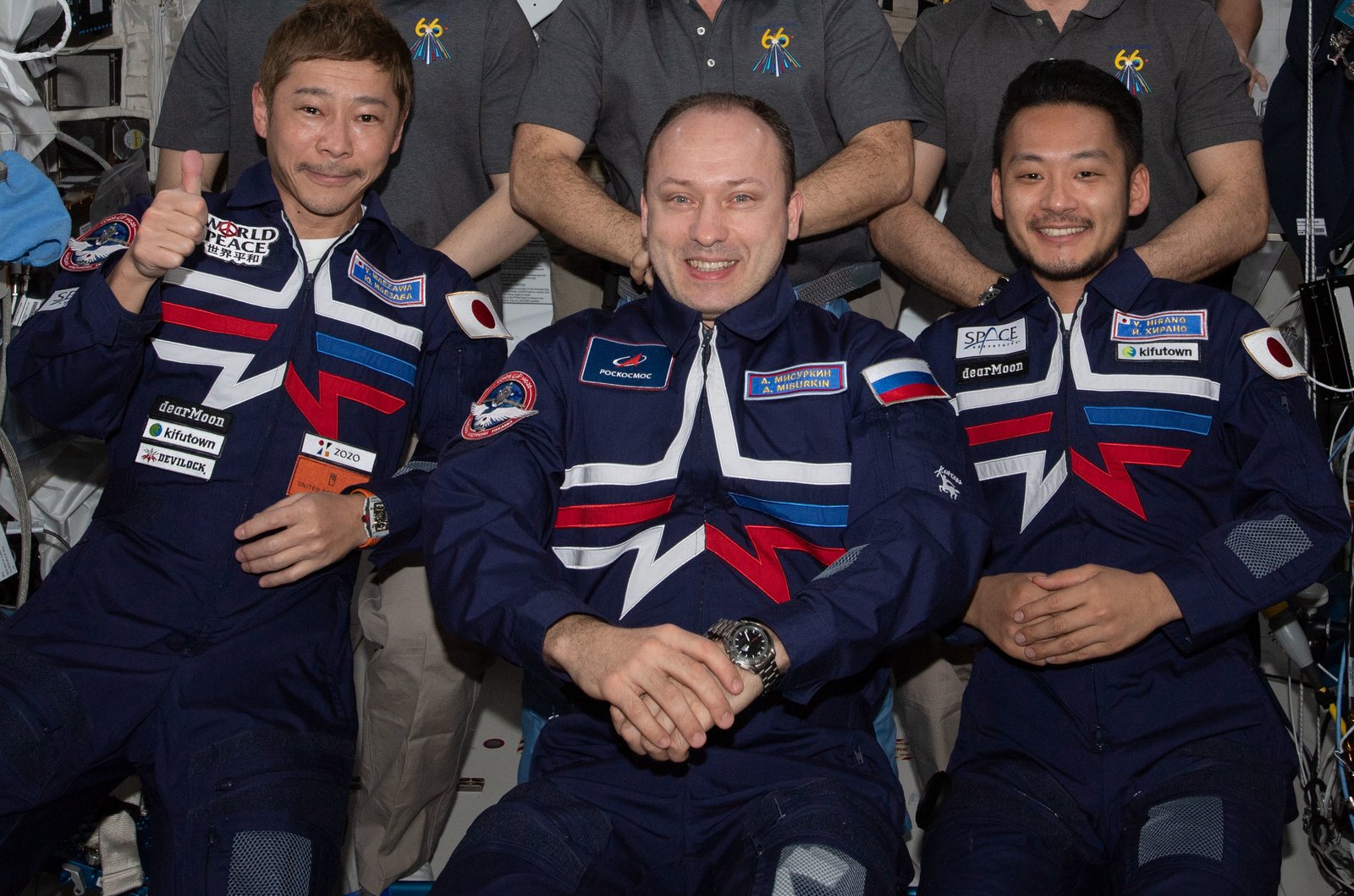
Three primary categories of space tourism are emerging. Suborbital flights, reaching roughly 100 kilometers altitude, offer minutes of weightlessness before returning to Earth. Virgin Galactic and Blue Origin dominate this segment, with Virgin Galactic pricing its 90-minute flights at $450,000. Orbital tourism involves altitudes above 400 kilometers, requiring orbital velocity and enabling stays of several days or more. SpaceX’s four-passenger orbital mission in 2021 reportedly carried a $50 million per ticket price tag. Lunar tourism, still in the planning stage, aims for circumlunar trajectories or landings. SpaceX’s dearMoon project, financed by Japanese billionaire Yusaku Maezawa, intends to launch in 2023 using Starship for a six-day journey around the Moon.
The Organisation for Economic Co-operation and Development (OECD) defines the space economy as encompassing all activities and resources that generate value through exploration, research, management, and utilization of space. It spans public and private sectors producing space-related outputs, products, services, and scientific knowledge. Space tourism is a small but fast-growing subsector, with potential to catalyze new “space-for-space” activities—goods and services produced in space for use in space—alongside established “space-for-earth” applications like telecommunications, Earth observation, and national security satellites.
Market data underscores the momentum. The global space tourism market was valued at USD 598 million in 2021, with commercial space tourism holding 56.7% of that share. Thirteen commercial missions launched that year, led by Virgin Galactic, Blue Origin, SpaceX, and NASA. North America accounted for 38.3% of the global market, with the U.S. sector valued at USD 191.6 million. Analysts project a compound annual growth rate of 37.1% for the U.S. market from 2022 to 2030, positioning space tourism as a multi-billion-dollar industry within a decade.
Beyond short-duration flights, companies are exploring orbital accommodations. The Gateway Foundation’s 2019 concept for Voyager Station, a rotating space hotel, is now managed by Orbital Assembly Corporation. Plans call for Voyager Station to open in 2027 with capacity for 400 guests, while the smaller Pioneer Station could host 28 tourists within three years. These facilities target leisure travelers rather than researchers, representing a new niche in orbital infrastructure. While formal partnerships with launch providers like Virgin Galactic, Blue Origin, or SpaceX have not been disclosed, such collaborations are anticipated.
Technological innovation and rising public interest are driving rapid expansion. As engineering teams refine spacecraft design, propulsion systems, and life-support technologies, costs are expected to decline. Reduced barriers to entry and heightened competition among private operators will broaden access. The sector’s growth promises ripple effects across the broader space economy, from job creation to STEM education initiatives and advancements in aerospace materials and manufacturing.
The trajectory of space tourism suggests it will evolve from an exclusive adventure to a more accessible form of travel. Its integration into the space economy will influence both terrestrial and extraterrestrial markets, reinforcing the role of private enterprise in shaping humanity’s presence beyond Earth.