

Inside DHS’s Expanding Counter-Drone Operations
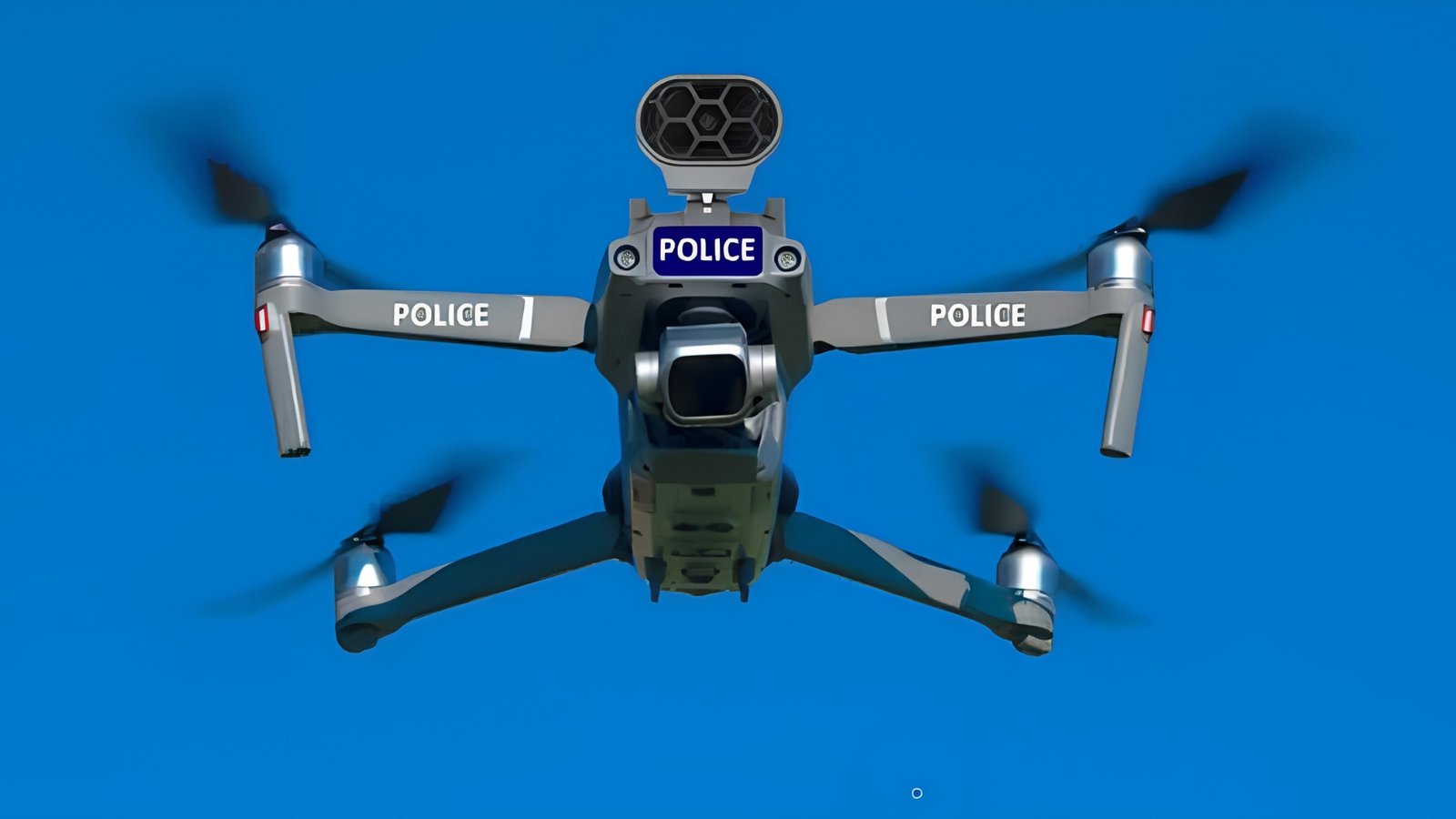
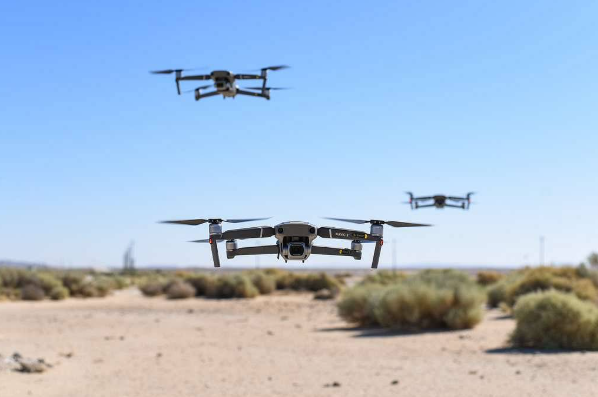
In recent years, incidents involving small unmanned aircraft systems (sUAS) penetrating restricted airspace have underscored the growing challenge of drone security. High-profile breaches, such as the 2015 quadcopter crash on the White House grounds and another landing on the Ellipse near the South Lawn, revealed how even consumer-grade drones could bypass traditional defenses. While many operators are hobbyists, the same technology can be exploited for illicit surveillance, smuggling, or carrying hazardous payloads, making it a pressing concern for critical infrastructure and national security.
The Department of Homeland Security (DHS) Science and Technology Directorate (S&T) has been advancing Counter-UAS (C-UAS) capabilities to meet this evolving threat. As sUAS become faster, more maneuverable, and more affordable, their potential misuse expands. S&T’s approach integrates research, testing, training, and evaluation across multiple DHS components, including the U.S. Coast Guard (USCG), U.S. Secret Service (USSS), Federal Protective Service (FPS), and Customs and Border Protection (CBP).
Shawn McDonald, S&T Program Manager, explained, “It’s important for us to determine how technologies perform in operational environments, especially in urban environments, where we have very high radio frequency or spectrum noise. There are also tall buildings where you have reflections of that energy. So, we need to adequately characterize the performance of these systems. We’re testing various commercial and government systems against realistic threats to obtain those performance characteristics so our DHS Components clearly understand what the system does and how effective it is against those threats.”
A major shift came in 2018 with the Preventing Emerging Threats Act, granting DHS limited authority to disrupt, seize, control, or disable drones posing credible threats. This legal framework exempts certain counter-drone actions from criminal statutes governing communications and aircraft flight, enabling rapid mitigation while safeguarding civil liberties. FPS Branch Chief Jarred Pennington described the approach: “C-UAS is a layered approach of state-of-the-art technology, tactics, and procedures that law enforcement utilizes to mitigate hostile UAS threats.”
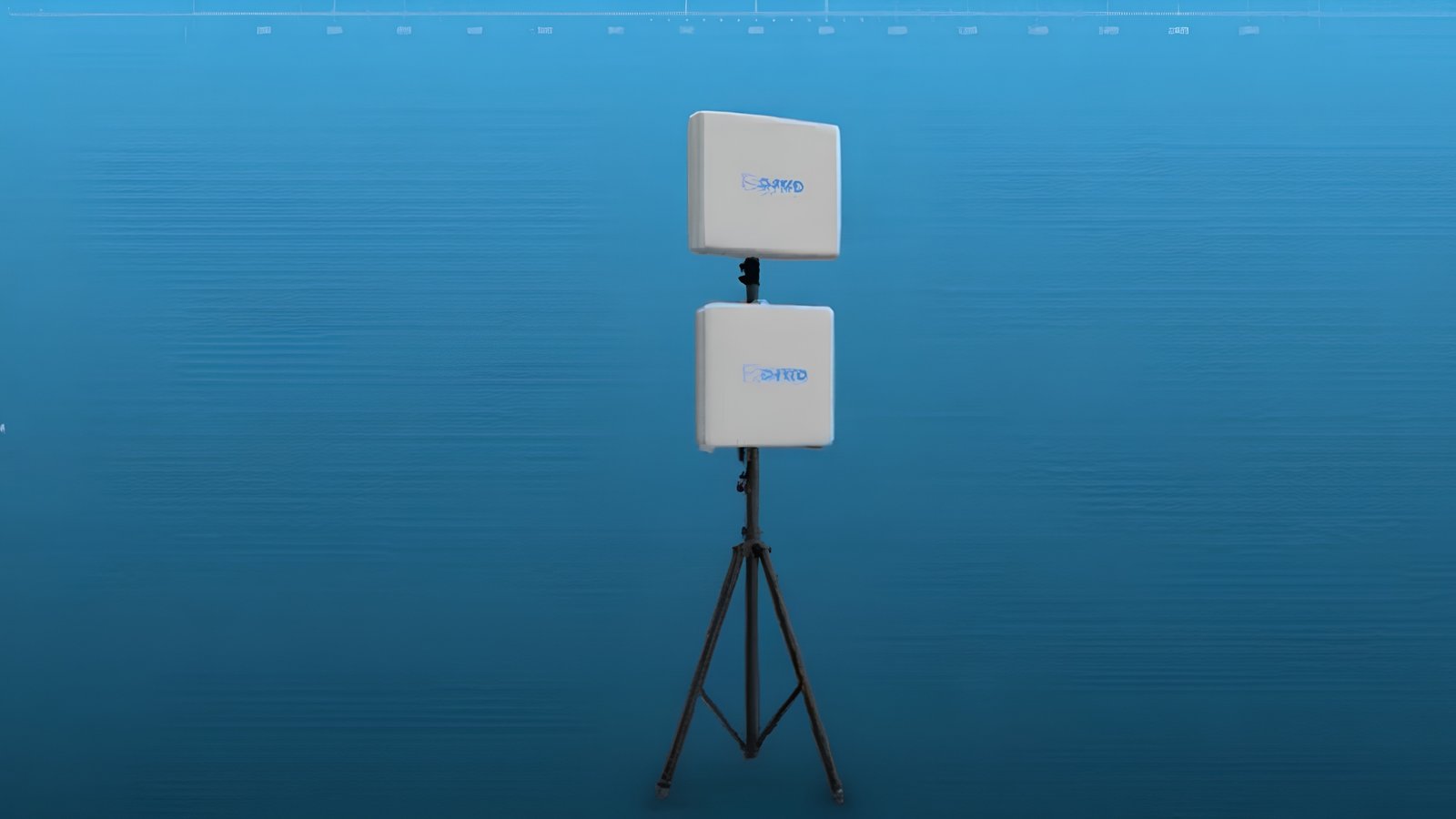
Mitigation tools range from electronic disruption to physical interdiction. Systems detect unique sUAS radio frequency signatures, track their movements, locate operators, and feed real-time data to command centers. This air domain awareness supports trend analysis, helping agents assess intent and select appropriate countermeasures under strict privacy protocols.
Balancing security with lawful drone use remains a core principle. Under U.S. Code Title 6, Section 124n, the approval process for C-UAS technologies involves interagency coordination to ensure compliance with privacy and civil rights protections. “124n gives DHS the ability to defend itself against bad actors, while still preserving the privacy of lawful users and encouraging safe and secure integration of UAS into the national airspace,” said Brent Cotton of the DHS C-UAS Program Management Office.
S&T’s efforts span collaboration with TSA, CBP, FPS, USCG, and USSS, alongside partnerships with the FAA, NTIA, Department of Justice, Department of Defense, and the National Security Council. Cotton emphasized, “We have recognized that this is a whole-of-government problem, not just a DHS problem, and we’re collaborating internally and externally to make sure we have appropriate strategies to deal with it.”
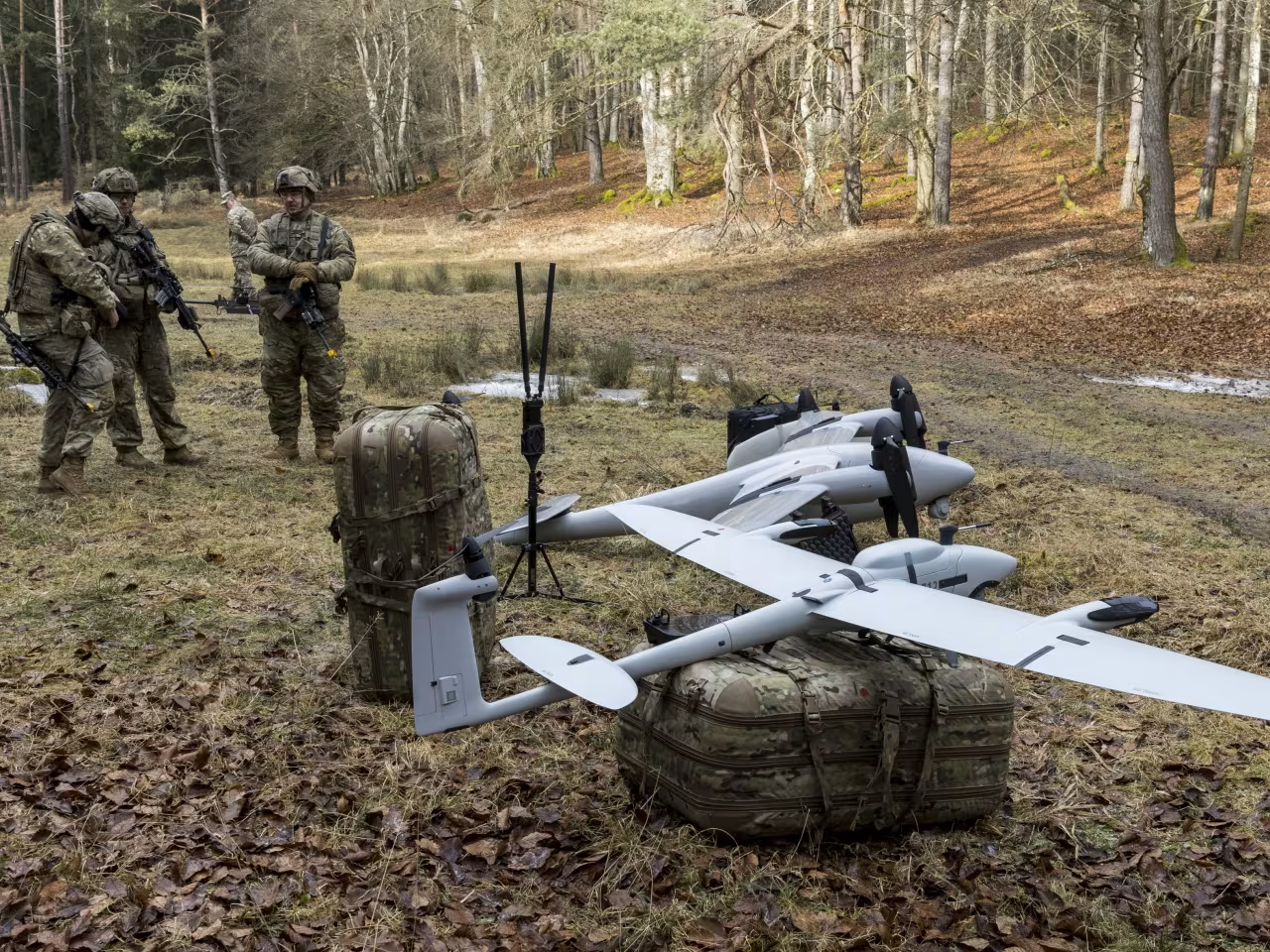
Testing events simulate real-world threats by flying target drones with varied profiles against multiple C-UAS systems deployed across a facility. These evaluations measure detection, tracking, identification, and mitigation performance, while giving operators hands-on experience. McDonald noted, “Probably most importantly, this testing gives our law enforcement men and women time to use the systems so they can become comfortable with how they operate and what the expected performance is for each. We want them to be adequately trained and comfortable with the system capabilities so that when they are called on to use them, they’re ready to execute with confidence in the technology.”
Beyond field trials, S&T has produced a C-UAS Technology Guide with the National Urban Security Technology Laboratory to help first responders understand system capabilities. The Long-Range Broad Agency Announcement (LRBAA) program further drives innovation by soliciting new C-UAS solutions from academia and industry. As McDonald stated, “We need to stay one step ahead of the adversary. We will continue to research and develop C-UAS capabilities so we can remain on the forefront of technology to protect national security.”