

Advances in Soil Sensors and Plant Wearables
In recent years, soil sensors and plant wearables have emerged as pivotal tools in the transformation of agriculture toward data-driven precision practices. These technologies enable continuous monitoring of critical soil parameters—temperature, moisture, pH, organic compounds, and pollutants—providing actionable insights for optimizing crop growth conditions and mitigating environmental stresses. By integrating real-time sensing into the agricultural workflow, farmers can respond swiftly to biotic threats such as pests and pathogens, as well as abiotic challenges like drought or nutrient imbalance.

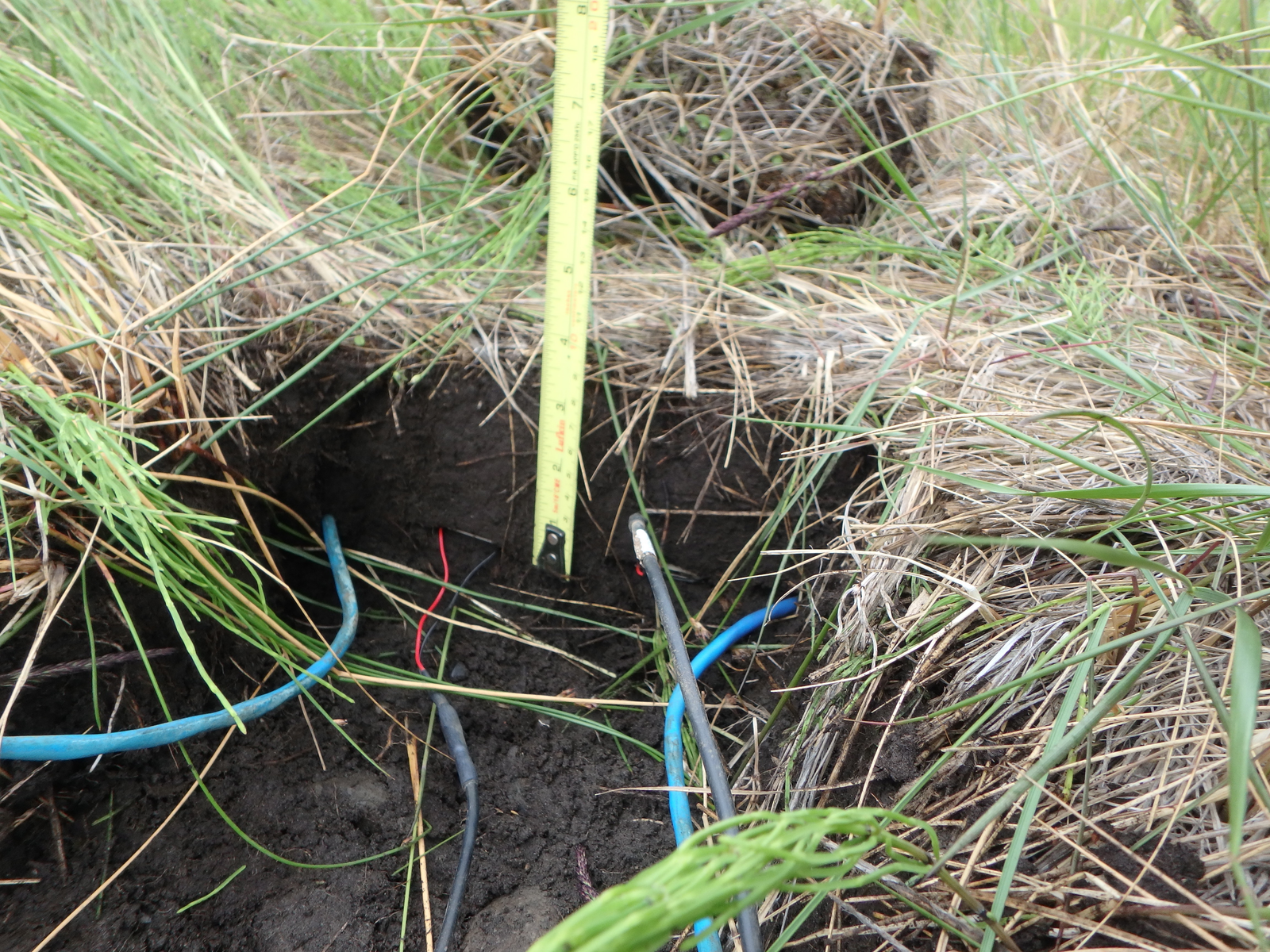
Temperature sensors, often based on thermistors or resistance temperature detectors, offer high sensitivity and stability for tracking soil thermal profiles. Such data is vital for understanding germination windows and root-zone dynamics. Moisture sensors, including capacitive and resistive designs, measure volumetric water content with varying degrees of accuracy and durability. Capacitive sensors, for instance, are less prone to corrosion, making them suitable for long-term field deployment.
Organic matter and compound sensors target specific biochemical markers in the soil, from nitrogen and phosphorus levels to more complex organic pollutants. Electrochemical sensing platforms, often miniaturized for in-situ measurements, can detect nutrient deficiencies before they manifest in plant health. pH sensors, employing ion-selective electrodes or optical indicators, allow for precise control of soil acidity—a parameter that strongly influences nutrient availability and microbial activity.
Insect and pest sensors represent a newer frontier. These systems may combine acoustic detection, optical imaging, and chemical sensing to identify the presence of harmful species. Such early detection capabilities reduce reliance on broad-spectrum pesticides, aligning with sustainable agriculture goals. Soil pollutant sensors, capable of detecting heavy metals or residual agrochemicals, contribute to environmental monitoring and compliance with safety regulations.
Emerging plant wearables extend sensing capabilities directly to the organism. Flexible, lightweight devices conform to leaves or stems, measuring parameters such as transpiration rate, sap flow, or leaf temperature. Materials science plays a central role here; devices must be biocompatible, mechanically robust, and minimally intrusive to plant physiology. Soft electronics, stretchable substrates, and microfluidic channels are increasingly employed to achieve these requirements.
Wireless sensor networks (WSNs) integrate soil and plant sensors into cohesive systems. Nodes distributed across a field relay data to centralized platforms, enabling spatial mapping of conditions and predictive analytics. Low-power communication protocols, such as Zigbee or LoRa, are favored for their energy efficiency and range. The combination of WSNs with cloud-based analytics allows for automated irrigation scheduling, targeted fertilization, and early stress detection.
The performance of these sensing systems hinges on calibration stability, environmental resilience, and integration with decision-support tools. Challenges remain in ensuring sensor longevity under variable field conditions, reducing maintenance requirements, and lowering costs for widespread adoption. Data interoperability is another concern; standardized formats and protocols are essential for combining datasets from diverse sensor types.
Quoting Changyong Cao, “The integration of soil sensors and plant wearables into precision agriculture systems offers unprecedented opportunities to enhance crop yields while reducing environmental impact.” This perspective underscores the dual technical and ecological benefits of the technology.
Research directions point toward multi-modal sensing platforms capable of simultaneous measurement of physical, chemical, and biological parameters. Advances in nanomaterials, such as graphene-based electrodes or functionalized nanoparticles, promise higher sensitivity and selectivity. Coupling these with machine learning algorithms can transform raw sensor data into predictive models for crop performance.
The convergence of sensor technology, materials engineering, and agricultural science is reshaping the way crops are monitored and managed. By leveraging innovations in flexible electronics, wireless communication, and analytical software, precision agriculture is moving toward a future where every plant and every patch of soil can be understood in fine detail.