

Uber Transfers Elevate Air Taxi Unit to Joby Aviation
Uber Technologies has divested its aerial ridesharing division, Elevate, to Joby Aviation, marking the end of its most ambitious experimental ventures. The agreement, announced in December 2020, is structured as a multifaceted transaction in which Uber will invest $75 million into Joby, supplementing a previously undisclosed $50 million contribution made during Joby’s Series C funding round in January 2020. This brings Uber’s total investment in the California-based eVTOL developer to $125 million. Joby Aviation’s cumulative funding to date stands at $820 million.

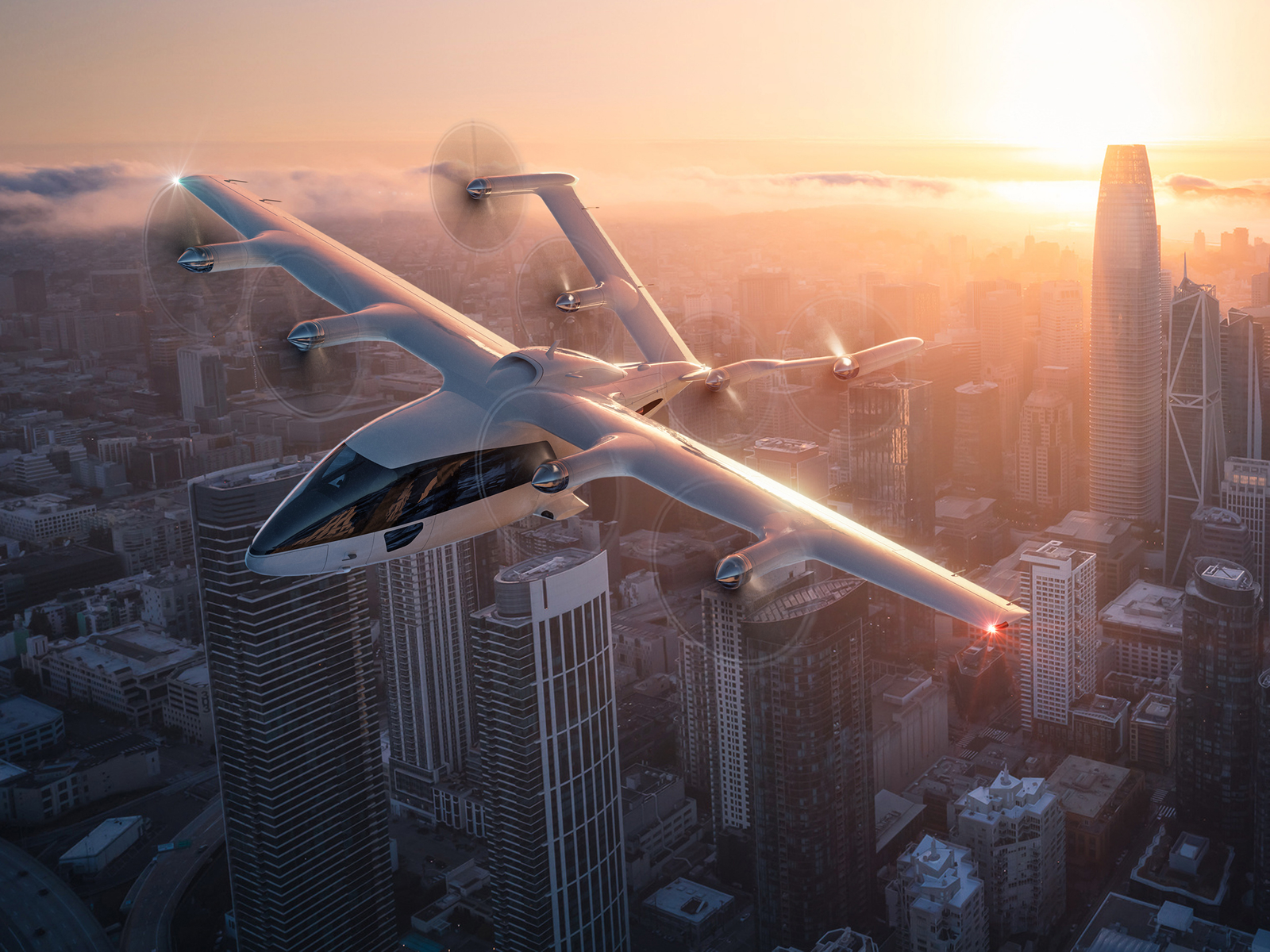
Joby, recognized as a leading contender in the emerging electric vertical takeoff and landing (eVTOL) sector, had earlier committed to deploying air taxi services by 2023 under Uber’s Elevate program. The latest deal is expected to close in early 2021 and will integrate the companies’ services into each other’s mobile platforms, enabling seamless multimodal travel options for users.
Uber CEO Dara Khosrowshahi stated, “Advanced air mobility has the potential to be exponentially positive for the environment and future generations. This deal allows us to deepen our partnership with Joby, the clear leader in this field, to accelerate the path to market for these technologies.” His remarks reflect a strategic pivot toward partnerships that preserve Uber’s presence in advanced mobility without bearing the full cost and operational risk.
Elevate’s contribution to the industry extended beyond conceptual promotion; it established operational benchmarks and developed sophisticated software tools to manage aerial ridesharing logistics. Joby Aviation CEO JoeBen Bevirt acknowledged this legacy, saying, “The team at Uber Elevate has not only played an important role in our industry, they have also developed a remarkable set of software tools that build on more than a decade of experience enabling on-demand mobility. These tools and new team members will be invaluable to us as we accelerate our plans for commercial launch.”
Just a year prior, Uber’s business model encompassed a broad spectrum of transportation services—ride-hailing, micromobility, logistics, package delivery, and food delivery—under an “all of the above” approach. The onset of the COVID-19 pandemic, coupled with a sharpened focus on profitability, prompted the company to divest non-core ventures. This included the acquisition of Postmates to strengthen delivery operations, while exiting other moonshot projects.
The Elevate sale mirrors other 2020 transactions in which Uber exchanged operational units for equity stakes and strategic partnerships. In spring 2020, Uber led a $170 million funding round for micromobility startup Lime, transferring its Jump bike and scooter subsidiary in the process. Most of Jump’s 400 employees were laid off. Later in the year, autonomous vehicle developer Aurora Innovation agreed to acquire Uber’s self-driving unit, Advanced Technologies Group (ATG), in a deal valuing the combined company at $10 billion. Uber contributed its ATG equity and invested $400 million into Aurora, securing a 26% stake.
In October 2020, Uber sold a $500 million minority stake in its Uber Freight division to a consortium led by Greenbriar Equity Group, valuing the freight unit at $3.3 billion post-investment. Unlike the Jump, Elevate, and ATG deals, Uber retained majority ownership of Uber Freight.
Joby’s acquisition of Elevate represents a consolidation of expertise and technology within the eVTOL domain, a sector characterized by high development costs, complex regulatory pathways, and significant engineering challenges. The integration of Elevate’s software capabilities with Joby’s aircraft development efforts may streamline route planning, airspace management, and customer interface systems—critical elements for scaling urban air mobility.
For engineers and enthusiasts tracking the evolution of aerospace technologies, this transaction underscores the interplay between capital investment, strategic divestment, and technological maturation. It highlights how industry leaders are positioning themselves within the advanced air mobility ecosystem, balancing innovation with financial sustainability.