

Amazon’s Kuiper Steps Into Starlink’s Orbit
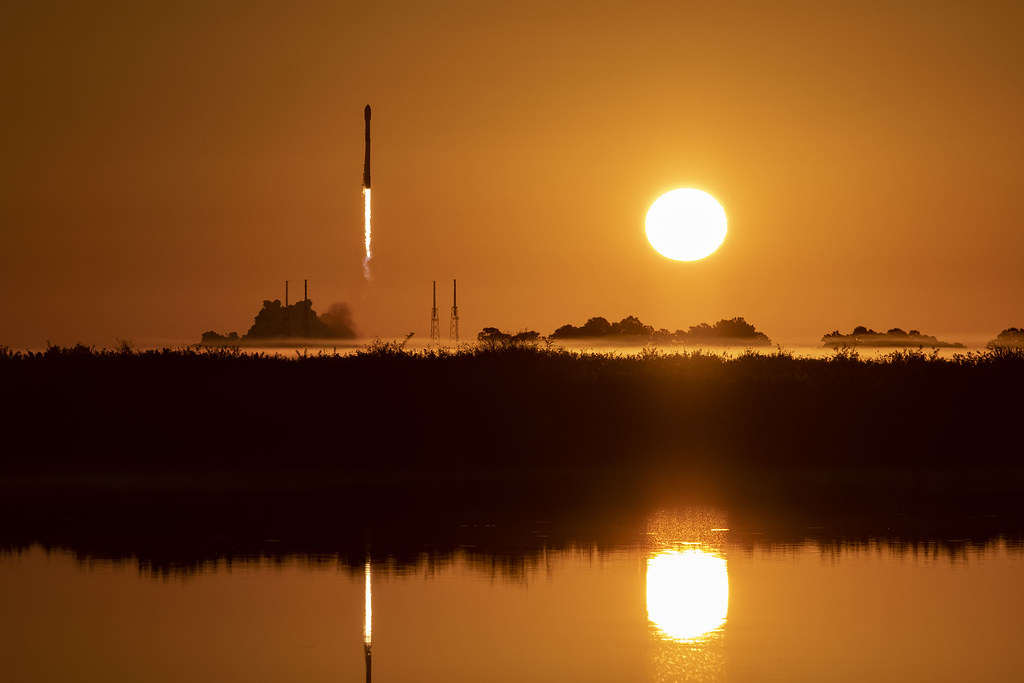
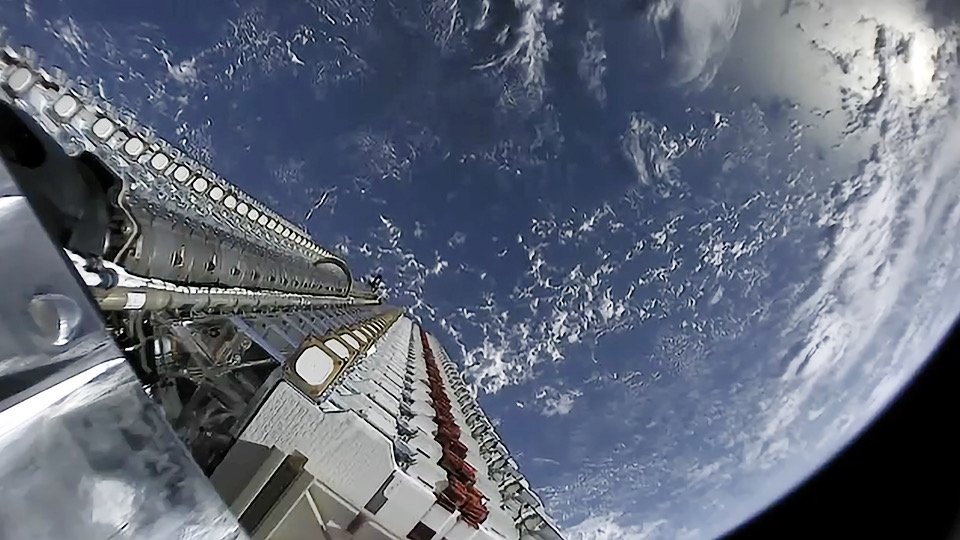
For nearly half a decade, SpaceX’s Starlink network has dominated the satellite broadband sector, deploying thousands of spacecraft into low-Earth orbit to beam internet service across the globe. Since 2019, the company’s Falcon 9 rocket has carried more than 7,000 operational Starlink satellites from launch sites in Florida and California, establishing a scale and cadence unmatched in the industry. Now, Amazon’s Project Kuiper is emerging as a formidable challenger.
Project Kuiper’s mission is to deliver high-speed internet to customers worldwide, particularly in regions where connectivity is limited or nonexistent. The plan calls for a constellation of 3,232 satellites operating in low-Earth orbit, linked to a terrestrial network of antennas, fiber infrastructure, and internet exchange points. Amazon has committed $10 billion to the effort, including a $140 million, 100,000-square-foot satellite processing facility at NASA’s Kennedy Space Center.
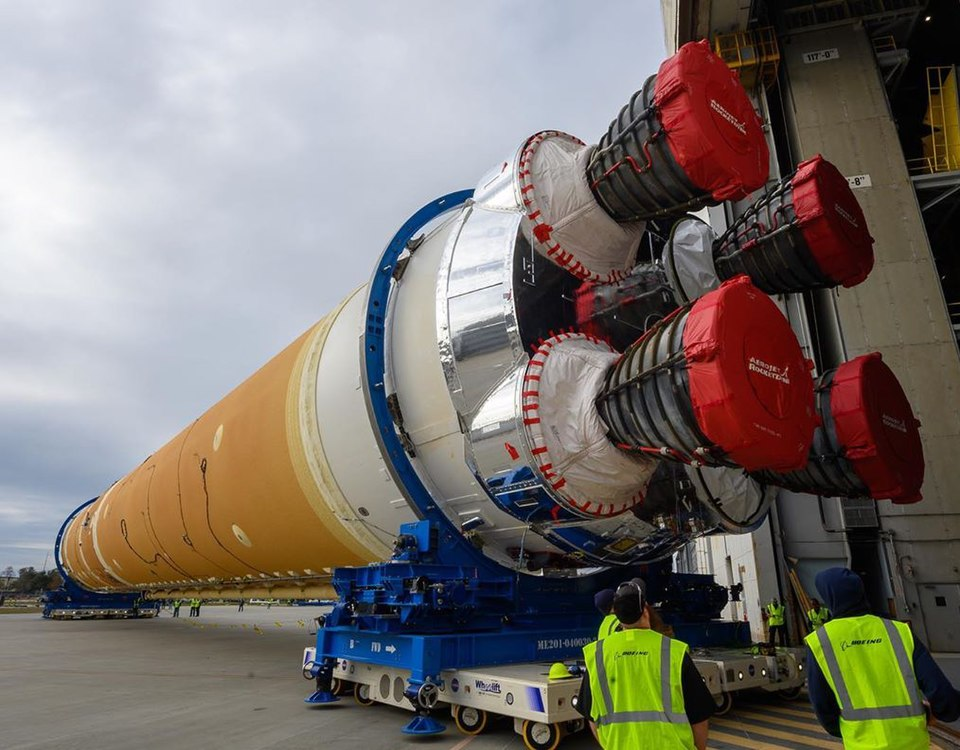
The program’s operational phase began on April 28 with Kuiper Atlas 1 (KA-01), a launch that placed 27 satellites into orbit aboard United Launch Alliance’s Atlas V rocket. This marked Amazon’s largest deployment to date, following the October 2023 flight of two prototype spacecraft. The Atlas V, a workhorse developed by ULA—a joint venture between Boeing and Lockheed Martin—was configured with five solid rocket boosters to handle its heaviest payload yet.
A second launch, scheduled for June 16 from Cape Canaveral Space Force Station, aims to double Kuiper’s on-orbit assets to 54 satellites. The Atlas V will again deliver the payload to an initial altitude of 280 miles, after which each satellite will use electric propulsion to reach its operational orbit at 392 miles. At that height, the satellites complete a circuit around Earth every 90 minutes, enabling low-latency service for activities such as video conferencing, gaming, and streaming. Control of the spacecraft transitions to Amazon’s operations center in Redmond, Washington once they reach their designated orbit.
While Starlink benefits from SpaceX’s rapid, reusable Falcon 9 launch system, Kuiper currently relies on contracted providers. Bezos’s other aerospace venture, Blue Origin, is developing the heavy-lift New Glenn rocket for future Kuiper missions, but until it is operational, Amazon will continue to book flights with ULA, Arianespace, and even SpaceX. ULA CEO Tory Bruno stated in April that his company could conduct up to five more Kuiper launches this year, using both Atlas V and the forthcoming Vulcan Centaur.
Amazon’s strategy involves staged deployment to achieve partial service coverage early. In a 2020 FCC filing, the company indicated that with 578 satellites, it could begin serving select northern and southern regions, expanding toward the equator as more spacecraft join the constellation. The company has emphasized that Kuiper will target “unserved and underserved communities,” a focus that aligns with broader efforts to bridge the digital divide.
The competitive dynamics between Kuiper and Starlink extend beyond satellite counts. Starlink’s integration with SpaceX’s launch infrastructure enables rapid iteration and deployment, while Kuiper’s reliance on multiple launch partners could diversify risk but may limit cadence in the short term. The Atlas V’s proven reliability and payload capacity offer advantages for early missions, particularly when carrying upgraded satellite designs refined from prototype testing.
Operating in low-Earth orbit provides both ventures with reduced signal latency compared to geostationary systems, a critical factor for interactive applications. The engineering challenge lies in maintaining precise orbital slots, managing collision avoidance, and ensuring continuous coverage through coordinated satellite handoffs.
With more than 80 launches planned in the coming years, Kuiper’s build-out represents one of the largest satellite deployment campaigns in history. The outcome will hinge on manufacturing throughput, launch availability, and network integration on the ground. As the constellation grows, its technical and operational performance will be closely watched by the aerospace community, particularly as it seeks to match or surpass the scale achieved by Starlink.