

FAA Grounds Starship After Booster Burn Fails Mid-Descent
The new delay for Starship isn’t really another test test just because the starship has left the realm of being a megawheeled prototype. That’s critical for future moon landing operations, and an objective for SpaceX that’s going to get a lot of flights and for SpaceX to put full reusability from a slogan into practice for itself.
The Super Heavy’s mishandling on its return sequence following flight 22 in such a manner that it had reached high speeds before crashing into the Gulf has been labeled a ‘mishap’ by the Federal Aviation Administration (FAA) and will go under safety review to be followed by a preliminary formal investigation before Starship can be allowed to fly again. The failure of the booster’s descent is enough to halt the program until corrective measures are considered, although deployment of mass simulators by the upper stage of the rocket and a controlled descent and splashdown in the Indian Ocean were also not successful. Real engineering truth of the Starship: it can deliver, it can abate.
The stage that failed is particularly significant since the main component of the economic core of the whole structure is recovery of the booster. Relighting is made possible in order for to take yet back Super Heavy and quickly reuse it. In this case’s particularity is that it was a helicopter not to be returned to the tower but yet one to be brought in under control off shore. In the post mission discussion, they say that the boostback burn was a short burn, and ended at an earlier time than they had planned and that the booster entered the water at approximately 1.5 thousand km per second. If it will come at the head of number one promise of the system, a series of partial successes will be challenges that are somewhat different.
Also, from a timing standpoint there’s been a lot of attention now paid to the hardware, which is under the skin. Starship version 3 (3.The next flight (V) was the first that utilized engines that were Raptor 3s and SpaceX continues to work out the logistics of additional simpler plumbing, increased engine lift and less shielding/ complexity apart from just outside the engines. Raptor is important because the thrusters on starship can’t be ramped up and down dozens of thrusters have to start, ramp up, survive staging, re-lit and then spiral down into a nicely choreographed sequence. But don’t the same rules apply if it shuts down at ascent, so that it is not able to reach trajectory, when the same rules apply to success concerning landing point? In the latter, it is achieved by engaged in the act of relighting the vehicle towards the target of the landing.
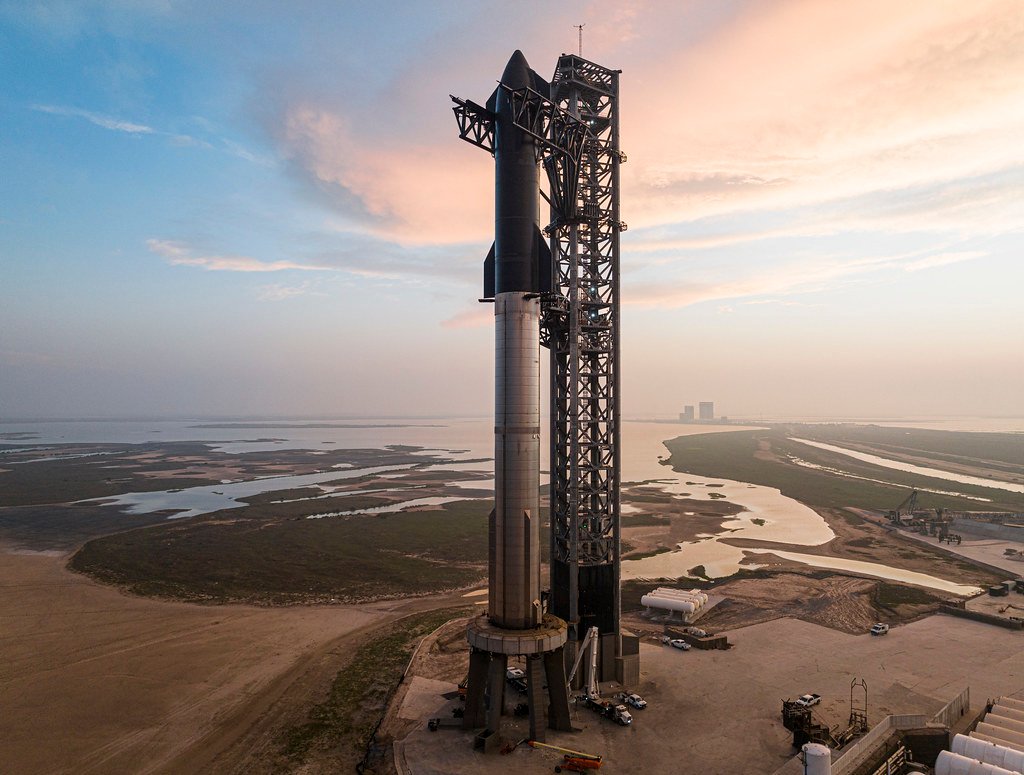
These failure paths get to be quite small in recent Starship investigations. In a previous technical design failure analysis by SpaceX, they said that the failures in the design of each stage of the rocket were a result of another test explosion on the ground from damage on the CWPV in the payload bay. The illustration above shows an idea that is more pervasive in the development of Starship: sure getting it off the pad is hard now, but that’s not the hard part. The challenge is to establish that the complete massively re-usable flight system can perform all those structural changes required to ascend, stage their firing and then return to the atmosphere and line-up for re-starting the engine with no increase in the number of released vehicles that have to deal with a few minor hurdles.
Not only do there be a rise in cost for each additional return away from the nominal rate, but that cost isn’t technical. Already, noise, overpressure and disturbance of the local community are grounds for criticism pointed at the operation of the spring around South Texas; a lawsuit alleging it has caused them some harm during its initial operations is another. If there’s some problem during one of the problem in the booster decent, it’s not necessarily because of a problem with the propulsion chart (or the telemetry plot). It is a direct contributor to costs of regulation on top of government, airspace management maturity and overall program maturity. By now, it’s not grounding, it’s a reminder, though, that the program is still in its infancy, not only in terms of the vehicle’s ability, but most importantly, in terms of reliability.