

Starship V3 Faces a Pivotal Test After Months of Delays
Why is yet another Starship test date so exciting? Because Flight 12 isn’t merely another test of this system; it’s the very first flight of a significantly modified spacecraft, which SpaceX requires for even grander designs that aren’t merely going to go into space, but also perform various tasks.

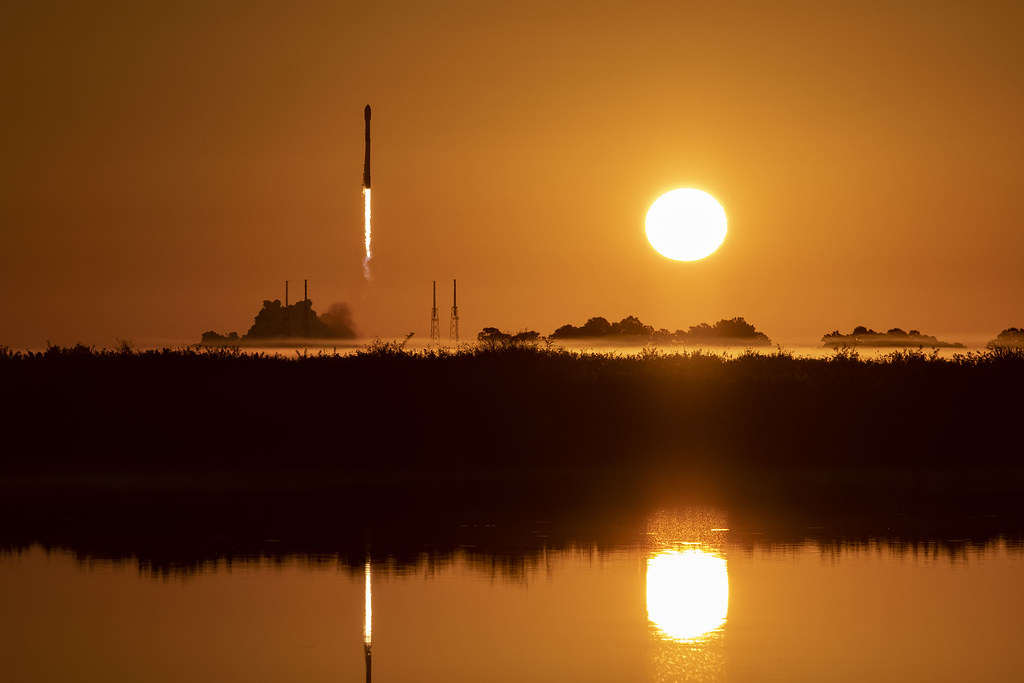
The next test flight of SpaceX’s super-heavy launcher is scheduled for May 21, with the company making another update to the launch plan, which has been altered several times over. The mission profile will remain familiar from the outset: the lower stage will separate shortly after launch and conduct an autonomous water landing in the Gulf of Mexico, while the second stage will continue flying before splashing down into the Indian Ocean roughly an hour later. What will be different about the upcoming launch is the design of the spacecraft itself, as Flight 12 is expected to feature version 3 of Starship. And that’s what makes this mission special.
According to the published mission details, the launch profile will not include any attempt to catch the lower stage after landing, which means that SpaceX sees the primary focus of the mission as ascent and subsequent separation, followed by splashdown in the Gulf. Meanwhile, the second stage will conduct multiple tasks, including deploying 22 satellites simulating Starlinks and conducting in-flight relight of one Raptor engine. Two of those satellites will conduct imaging of the heat shield of Starship itself during flight in order to help engineers evaluate the condition of the spacecraft before returning and catching it on the next mission.
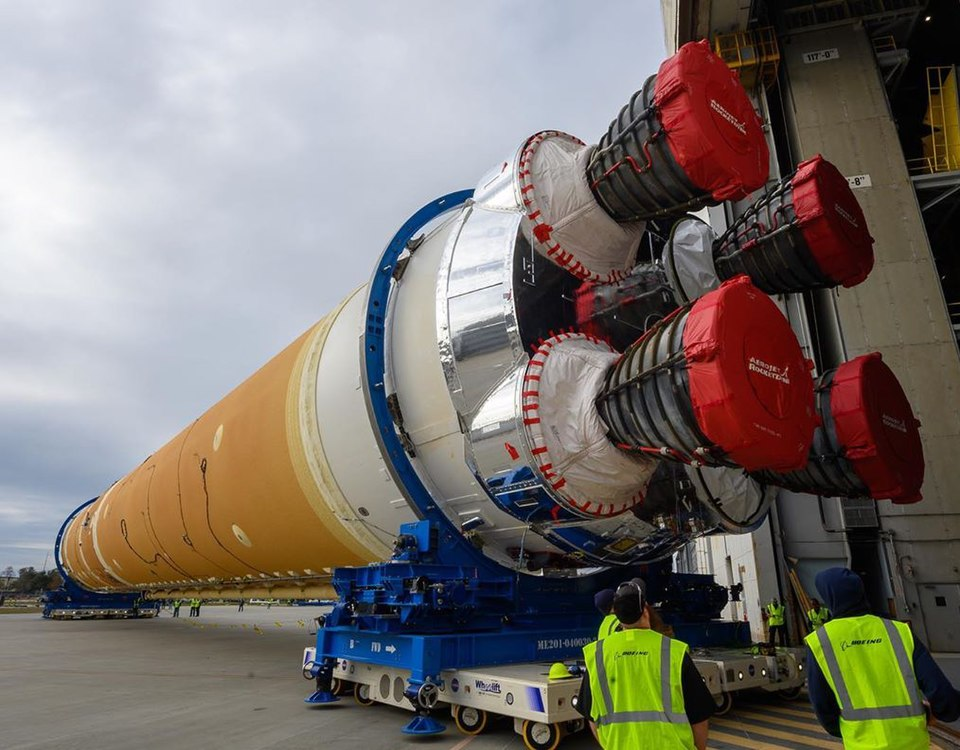
A lot of effort has gone into modifying the engines as well. SpaceX has noted previously that the new Raptor engines used in V3 are both lighter and easier to manufacture, featuring improved internal integration and fewer external lines, with VP of Raptor Jacob McKenzie describing the engine as being similar to the one used in commercial aircraft in terms of behavior.
That change in the engineering design is critical for reaching the goals that SpaceX had in mind from the start of Starship development. The ultimate purpose of this vehicle was to be a heavy-lift spacecraft for launching payloads, deploying Starlink constellations and even NASA’s lunar architecture. In addition, SpaceX has been working on orbital refueling of the spacecraft, which required some hardware modifications, according to reports made prior to the upcoming mission. Charlie Cox, director of Starship engineering, described the V3 version as a “clean sheet design,” which reflects all the lessons learned from previous launches.
That context explains the unusually long time since the last flight of Starship. The recent testing revealed limitations in the hardware, as well as problems with ground-based infrastructure and the cost of rebuilding after failure. SpaceX itself published a video series on Starship developments, revealing both failures in cryogenic testing and severe damage caused to the testing facility at Massey before a full-duration static fire reignited hopes for the mission.
Flight 12 is therefore far less of a spectacle than a process of overcoming difficulties and developing the necessary technology. If this test will pass, SpaceX will move closer to its actual goals sustained orbit, payload deployment, on-orbit refueling, and eventually returning both stages of the launcher.