

NASA’s Moon Crew Will Test the Hardware Behind a 2028 Landing
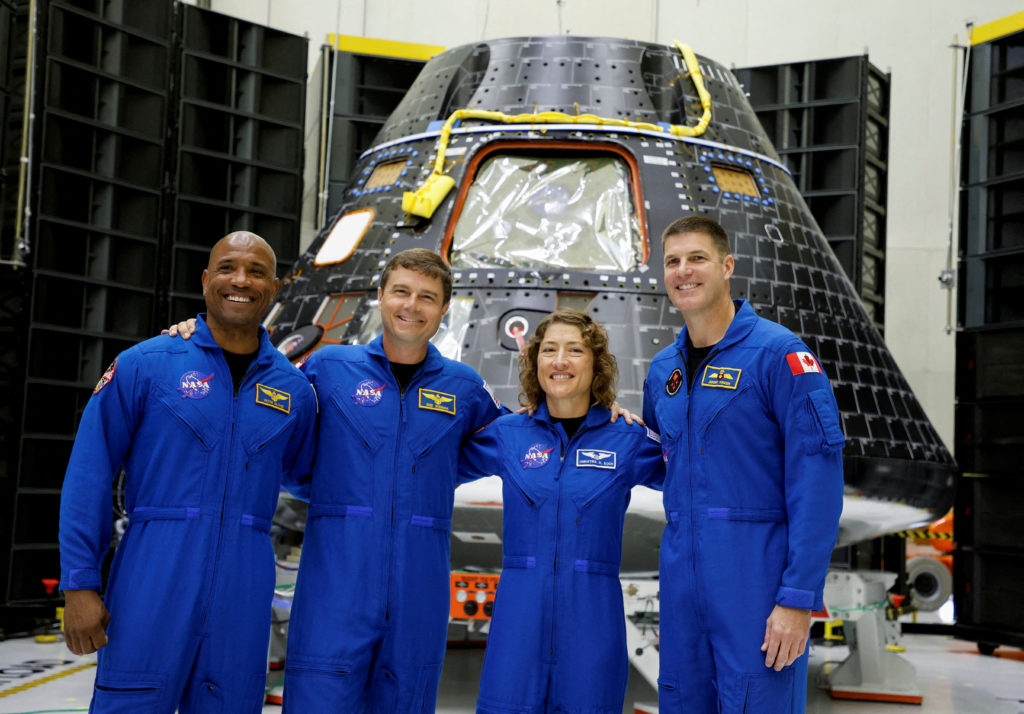
NASA’s next moon mission is less about replaying Apollo than proving that its modern deep-space hardware can carry people safely beyond Earth orbit again. Ten days will pass during Artemis II, a journey where four people ride Orion past the moon and home again without landing. Together for the first time with humans onboard, Orion and the giant rocket known as SLS take flight in unison. This run tests every piece working at once, not just gestures toward exploration history. Aboard are NASA team members Reid Wiseman, Victor Glover, Christina Koch alongside Jeremy Hansen from Canada’s space program. His presence shows how different nations help shape what happens under the Artemis name.
This trip hits multiple records all at once. Should everything go according to schedule, the voyage will mark humanity’s first trip past low Earth orbit since Apollo 17 flew in 1972, though NASA still views it as one piece of a larger plan leading up to a moon touchdown aimed for early 2028. Farther out it goes people will venture deeper into space than any earlier manned flight, with Orion projected to reach roughly 4,700 miles behind the Moon prior to looping back toward Earth. This gap holds meaning. What matters sits right there.
Far off from Earth, Artemis II puts key systems to work life support, controls, steering, signals, engine performance, and reentry at high speed all tested where mistakes grow serious fast. Built for survival, Orion keeps four people breathing and working beyond low orbit for three weeks, powered by Europe’s module delivering electricity, drinking water, air mix, pressure gas, and thrust between stars. Inside, the team will check how living feels mid-flight, practice docking-like moves while circling above home, then record body changes like rest patterns, motion strain, immunity shifts, and cosmic ray hits. More than just flying hardware, it measures what happens when regular routines replace bold firsts in moon missions ahead.
Now under intense scrutiny Orion’s heat shield has become a key focus. When Artemis I came back in 2022, scorched patches appeared where they weren’t supposed to, revealing more erosion than predicted. Rather than swap out the whole system before Artemis II, engineers adjusted how it will dive through the atmosphere a sharper angle meant to reduce extreme heating seen last time. So instead of skimming briefly off the upper air like originally designed, this flight heads straight down at roughly 25,000 miles per hour. How well the vehicle handles that rush becomes one defining measure of success.
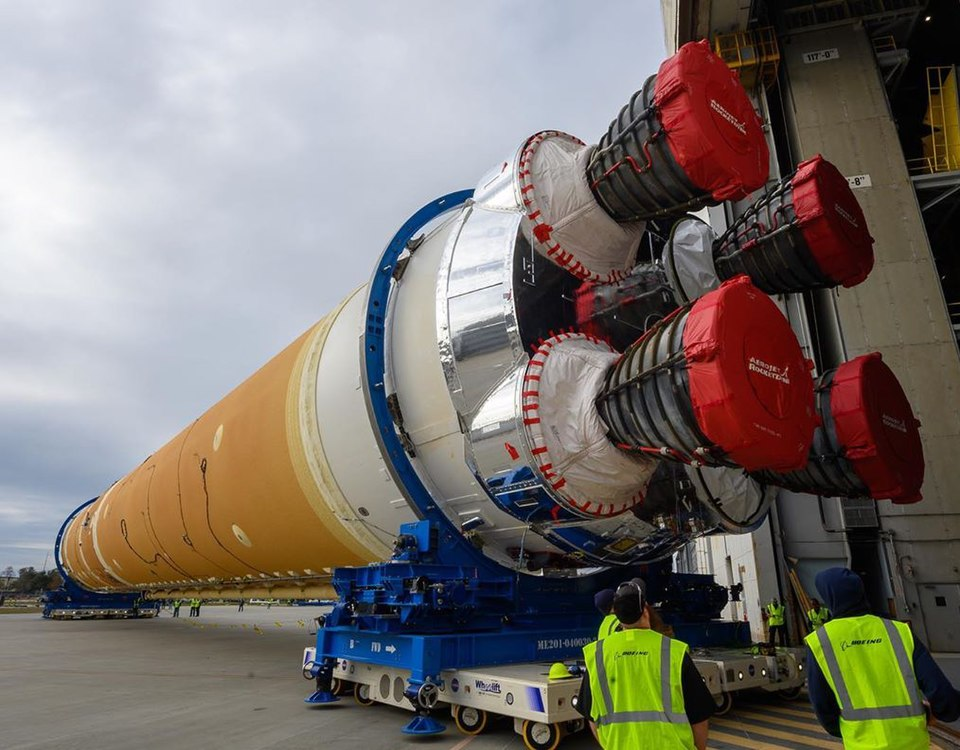
Waiting behind the spaceship is another big discussion about the rocket. Not just any machine, the SLS still stands alone as NASA’s way to push Orion and astronauts straight to the moon without stopping. Yet its path has wobbled delayed again and again, reshaped often, squeezed by rising costs. By 2026, NASA decided to lock in on one model: the Block 1 version of SLS, leaving newer versions aside. Simplicity began winning over ambition. This pivot hints at something deeper the mission’s heartbeat shifting from showing off power to building steady rhythm, smooth operations, and keeping people safe.
Because of this, Artemis II means more than a single loop around the moon. Should everything go according to plan, NASA won’t only send people into deep space again they’ll also test whether their spacecraft, return process, and day to day procedures can handle regular travel. That kind of reliability becomes the foundation for landing crews, setting up gear on the surface, then reaching farther, perhaps even aiming for Mars down the line.