

Wrong Drone Flight Can Now Bring Seizure, Jail, and $100K Penalties
The warning is no longer framed as a routine compliance reminder. Federal agencies are now treating unauthorized drone flights near sensitive airspace as a security problem that can end with confiscated equipment, criminal charges, and penalties that climb past six figures. The sharper message reflects a broader shift in how US airspace is being managed as small unmanned aircraft become more common around airports, military sites, and packed public venues. In recent years, drones have moved far beyond hobby use, and so have the tools built to find them. The latest federal posture combines FAA enforcement, Defense Department security concerns, Homeland Security reporting channels, and law-enforcement tracking systems into a single deterrent: fly where it is prohibited, and authorities expect to identify both the aircraft and the person on the controls.

FAA Chief Counsel Liam McKenna said drone users are “expected to follow FAA regulations just like any other pilot.” That line matters because the government is no longer treating consumer drones as a casual exception to aviation rules. Restricted airspace around military facilities, civilian airports, and some major events is being enforced as part of the same national airspace system, with the legal consequences to match.
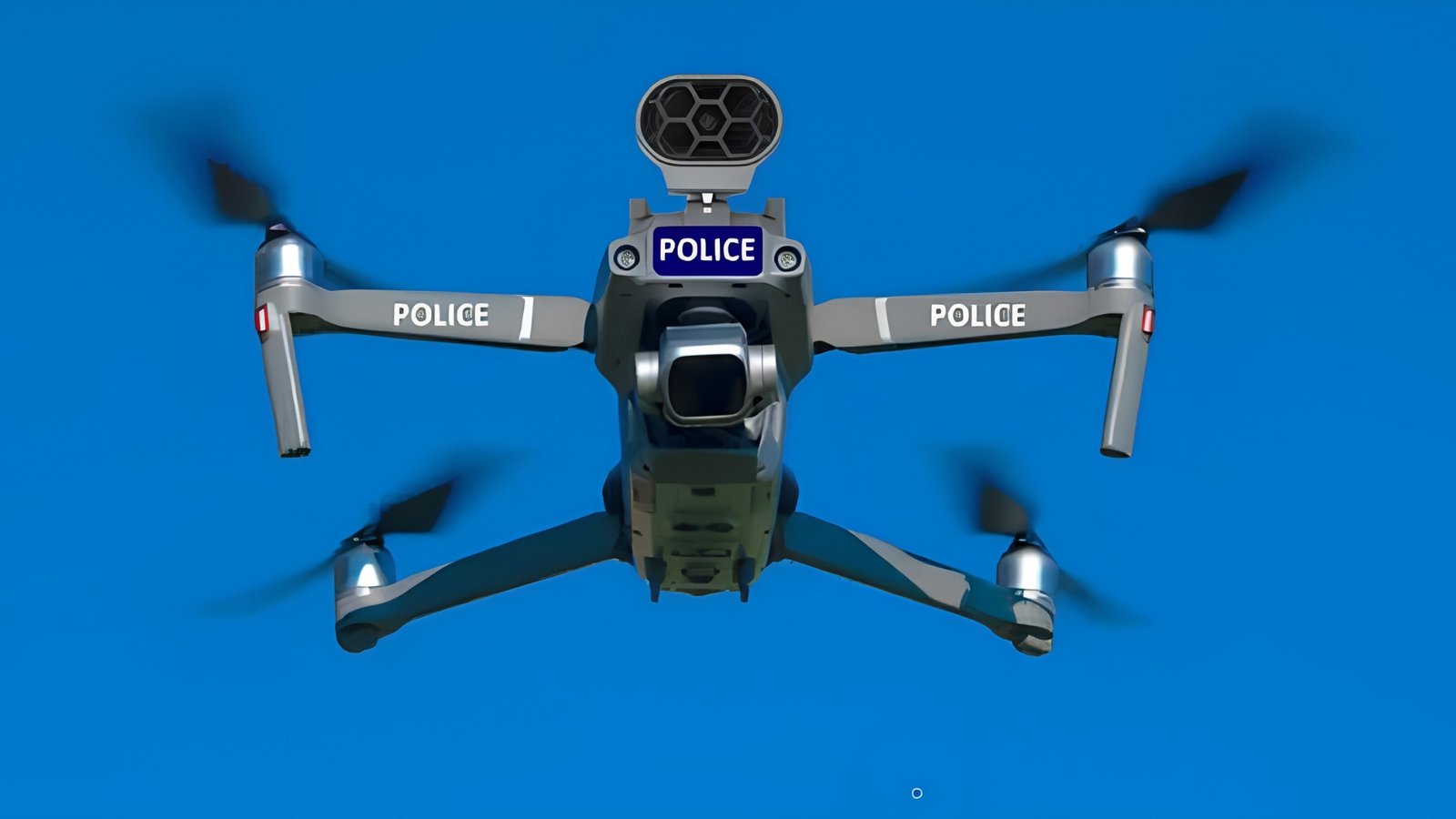
What has changed most is visibility. Officials say enforcement teams can often locate an unauthorized drone operator before the aircraft becomes an obvious threat, and that claim lines up with how modern counter-UAS systems work. A typical detection network blends radar, optical sensors, and RF sensors to track flight path, altitude, speed, and, in many cases, the operator’s position. Radar covers the gap when a drone is not broadcasting useful radio signals. Cameras help confirm behavior and payload details. RF tools can triangulate the link between drone and controller. Together, the system turns what once felt anonymous into something traceable, especially around security perimeters built for high-profile gatherings and federal sites.
That matters because drone incidents do not need to end in a crash to cause disruption. Large events have already shown how quickly a single aircraft can force a shutdown. A drone sighting at M&T Bank Stadium and another over a Green Day concert with more than 40,000 attendees illustrated the modern problem: even when no one is hurt, uncertainty alone can halt activity, trigger evacuations, and reshape security planning. That is one reason officials are publicly emphasizing “zero tolerance” rather than waiting for a more serious incident to define the rules.
Brig. Gen. Matt Ross, director of Joint Interagency Task Force 401, stated, “If you fly an illegal drone, you will be caught.” The legal backdrop is also tightening. The SAFER SKIES Act has expanded what authorities can do against drones judged to pose a credible public-safety threat, while operations near Defense Department sites can involve long lead-time waiver and security review requirements before a flight is ever approved. For drone operators, the practical takeaway is not technological but procedural: geofencing, flight planning, and authorization checks are no longer optional habits. They are now the margin between a lawful launch and a case file.