

Global Rocket Propulsion Market Driven by Innovation and Investment
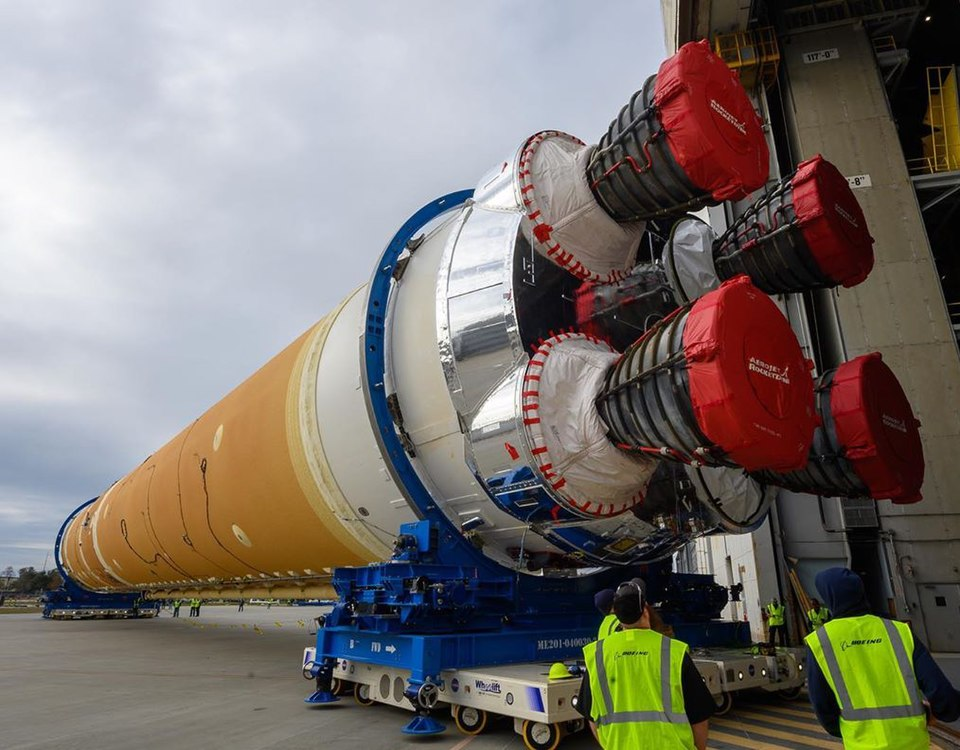
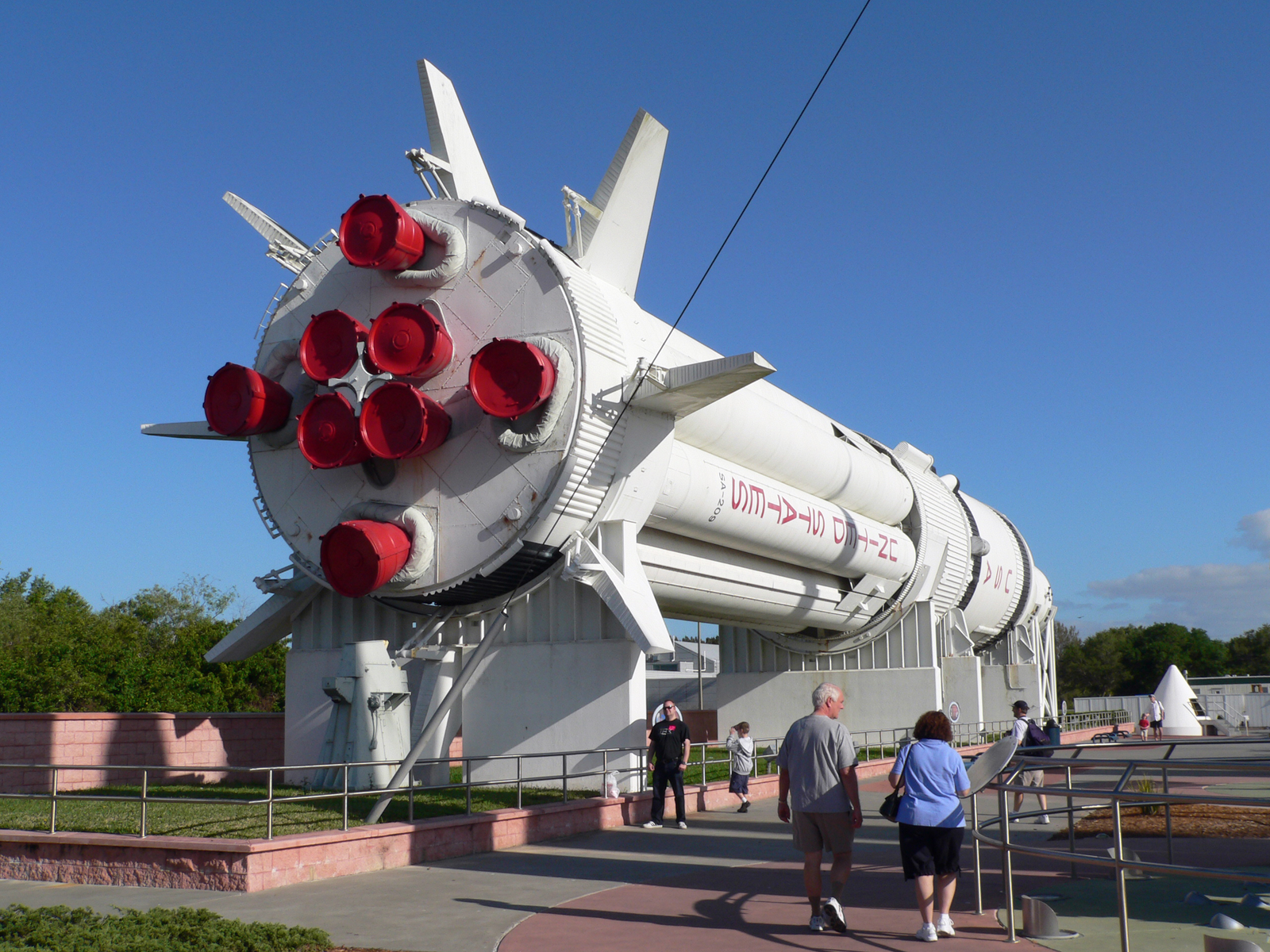
The global rocket propulsion market, valued at $5.1 billion in 2021, is projected to reach $8.5 billion by 2031, expanding at a compound annual growth rate of 5.3%. Rocket propulsion systems, essential for overcoming Earth’s gravity, power a range of vehicles including spacecraft, missiles, and launch vehicles. These systems rely on solid, liquid, or hybrid propellants, each offering distinct advantages and limitations. Solid rocket engines deliver high thrust and reliability but cannot be restarted, while liquid engines offer controllability and restart capability at the expense of complexity and cost. Hybrid engines combine attributes of both, using solid fuel with a liquid oxidizer.

The modern era of rocketry has seen rapid advances over the past decade, driven by applications in satellite deployment, human spaceflight, and deep-space exploration. Market segmentation spans orbit types—LEO and elliptical, GEO, and MEO—end uses in commercial, military, and civil/government sectors, and applications ranging from communication and navigation to technology development and education. Regionally, North America leads in revenue, followed by Europe, Asia-Pacific, and LAMEA.
A key driver of market growth is the surge in space exploration missions. In the last decade, 19 planetary missions have been launched by nations including the U.S., China, India, Russia, and Japan, alongside the European Space Agency. Government budgets for space programs have risen sharply; in 2019, NASA allocated $19.5 billion, CNSA $11 billion, and ESA $6.3 billion. This investment reflects heightened competition in satellite connectivity and launch capabilities.
Military modernization programs also fuel demand. Stockholm International Peace Research Institute reported global military expenditure at $1.981 trillion in 2020, up 2.6% from 2019. Nations are enhancing weapons systems and surveillance capabilities, exemplified by the U.S. Army’s $1.12 billion contract with Lockheed Martin in March 2021 for Guided Multiple Launch Rocket System production. In November 2021, Lockheed Martin collaborated with the U.S. Army on the PAC-3 program, successfully engaging missiles with the Integrated Air and Missile Defense Battle Command System.
Technological innovation in propulsion systems is reshaping the market. Advances in rocket artillery, such as Poland’s procurement of 500 HIMARS units in 2022 and India’s deployment of Pinaka and Smerch MRLS near the China border in 2021, underscore the role of modern rocketry in defense. Electric propulsion systems for satellites have improved fuel efficiency by ionizing inert gases into plasma, powered by solar cells. Other experimental systems include electrothermal engines, solar sails, thermonuclear fission, pulsed nuclear fusion, and antimatter propulsion.
The Raptor engine, running on liquid methane and liquid oxygen, exemplifies innovation in reusable, high-efficiency propulsion. Designed for Mars missions, it employs a full-flow staged combustion cycle to maximize fuel utilization. Such systems demand advanced electronic components and printed circuit boards capable of withstanding extreme conditions, with ceramic matrix composites improving thermal efficiency. Electric, hybrid, and biofuel engines under development by companies like Airbus and Boeing aim to reduce reliance on fossil fuels.
High launch service costs, ranging from $1 million to $100 million, remain a barrier, particularly for smaller providers. The industry, historically dominated by government and military agencies, still has a concentrated player base in the U.S. and Europe. The COVID-19 pandemic disrupted space-related events and constrained workforce availability, impacting infrastructure readiness and launch schedules.
Open architecture initiatives are fostering collaboration and innovation. In May 2021, the University of Colorado Denver launched a competition to design and test lightweight hybrid rocket propulsion systems, targeting Spaceport America Cup requirements. The RocketLynx system uses nitrous oxide oxidizer with ABS solid fuel, producing 100 pounds of thrust for 10 seconds. In 2019, HAL open science published a study on automated control for liquid-propellant engines, highlighting convergence between propulsion and automation fields.
Leading market participants include Airbus, Blue Origin, Boeing, Mitsubishi Heavy Industries, Moog Inc., Northrop Grumman, Rocket Lab USA, Safran S.A., SpaceX, and Virgin Galactic. North America remains the largest market, with Asia-Pacific expected to record the fastest growth due to increased funding for indigenous propulsion technologies.