

SpaceX Readies GPS III-04 Launch at Sunset
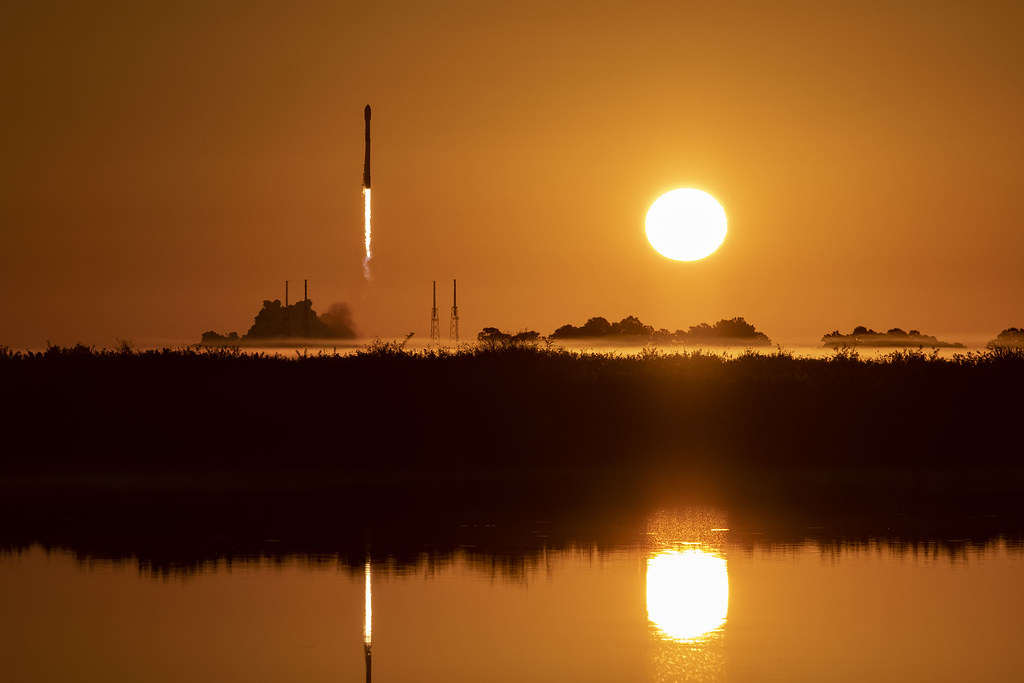
Less than an hour after sunset on Thursday, SpaceX is set to conduct its 20th Falcon 9 launch of 2020, carrying the U.S. Space Force’s GPS III-04 satellite into Medium Earth Orbit at 12,550 miles (20,200 km). This mission, named in honor of Sacagawea, will lift off from Space Launch Complex 40 at Cape Canaveral Air Force Station, Florida, at 6:24 p.m. EST, pending favorable weather conditions. The 45th Weather Squadron has forecast a 70% chance of acceptable conditions at launch time, dropping to 60% if delayed to Friday due to breezy onshore flow from a tight pressure gradient between a northern high-pressure system and Hurricane Eta to the south.

The launch comes after more than a month of delays. Initially targeted for late September, GPS III-04 was pushed back due to earlier mission delays and Eastern Range scheduling priorities. The first attempt on October 2 was aborted at T-2 seconds when an “unexpected pressure rise in the turbomachinery gas generator” was detected, as explained by SpaceX founder Elon Musk. This anomaly prompted further investigation and delayed other missions, including NASA’s Crew-1 flight to the International Space Station.
The Falcon 9 booster for this mission, core B1062, is a new first stage and only the third fresh booster to fly in 2020. SpaceX has managed 19 launches this year using just eight booster cores, with one flying four times since January. B1062 completed a successful static fire test on Sunday, clearing the way for Thursday’s launch.
Fueling will begin 35 minutes before liftoff. The first stage will fire for about four minutes before separating and landing on the Autonomous Spaceport Drone Ship “Of Course I Still Love You,” stationed roughly 390 miles (620 km) offshore in the Atlantic. The upper stage will perform two burns—one lasting 5.5 minutes and a second of 45 seconds—to position GPS III-04 for deployment 89 minutes after launch.
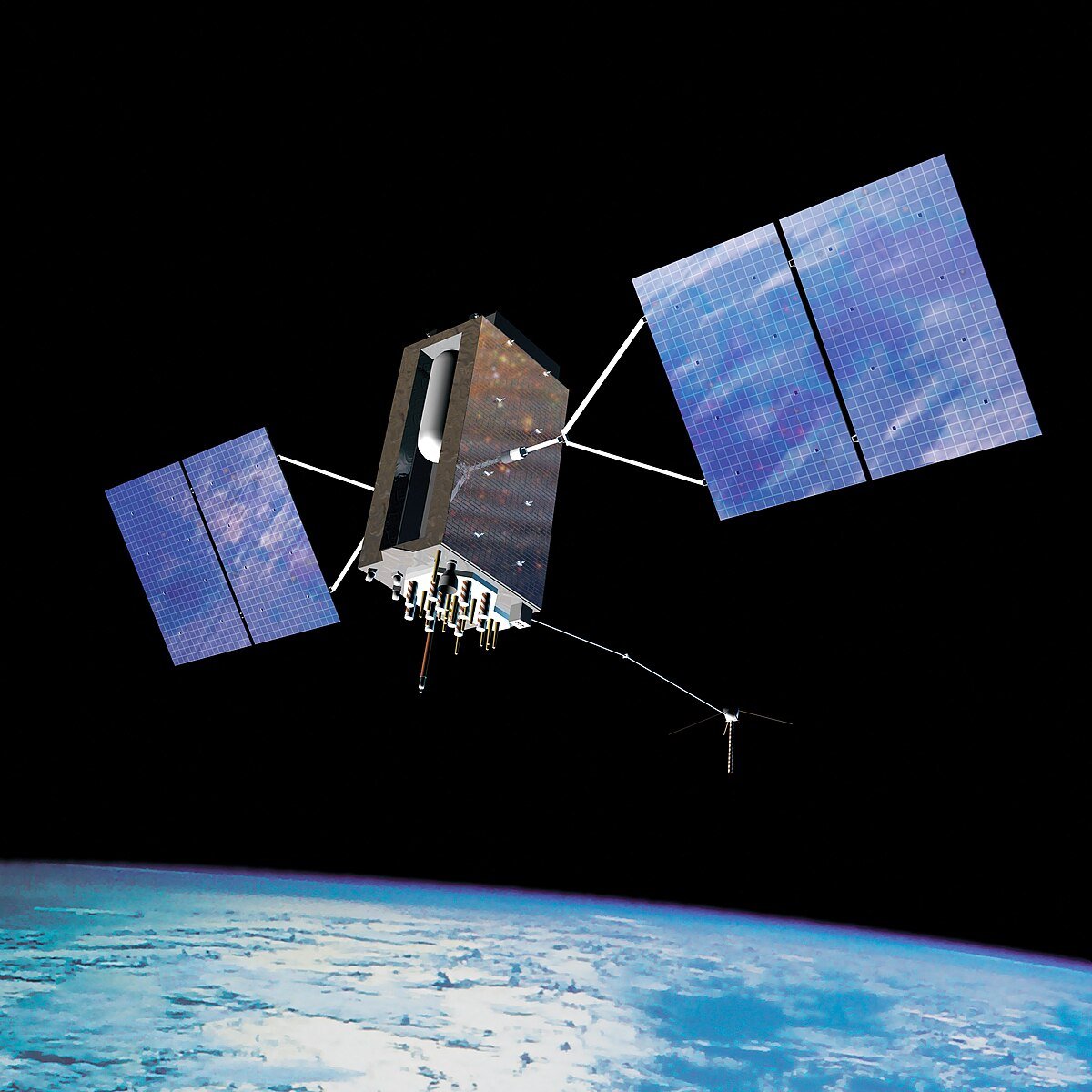
GPS III-04 is the fourth satellite in the Block III series and the third to launch aboard a Falcon 9. The Block III program builds on the GPS Navstar heritage dating back to the 1970s. Lockheed Martin received a $1.4 billion contract in 2008 to develop the first two satellites, with the program’s debut delayed until December 2018 due to payload issues. SpaceX was awarded a $290.5 million contract in March 2018 for the fourth, fifth, and sixth Block III missions.
Each GPS Block III satellite weighs 8,500 pounds (3,900 kg) and is designed for a 15-year operational life, representing a 25% increase over earlier models. They deliver 500 times greater transmitting power, triple the accuracy, and eightfold improvement in anti-jamming capability. Built on Lockheed Martin’s A2100 bus, they generate 15 kilowatts of electricity from high-efficiency solar cells, use radiation-cooled traveling-wave tube assemblies, and feature improved heat-pipe designs.
The satellites can selectively deny service to specific geographic regions while maintaining uninterrupted coverage for U.S. and allied forces. Their cross-linked command-and-control system allows the entire constellation to be updated from a single ground station. Additionally, the “spot-beam” capability enhances military M-Code coverage and resists hostile jamming, improving accuracy and reliability for military and civilian users worldwide.
Following tradition, each Block III satellite is named after an explorer. The first honored Amerigo Vespucci, the second Ferdinand Magellan, and the third, launched in June 2020, was renamed for polar explorer Matthew Henson. GPS III-04 commemorates Sacagawea, the Lemhi Shoshone woman who, at age 16, aided the Lewis and Clark Expedition from North Dakota to the Pacific, fostering cultural connections with Native American communities along the way.