

Blue Origin’s New Shepard Flies Six Astronauts to Space
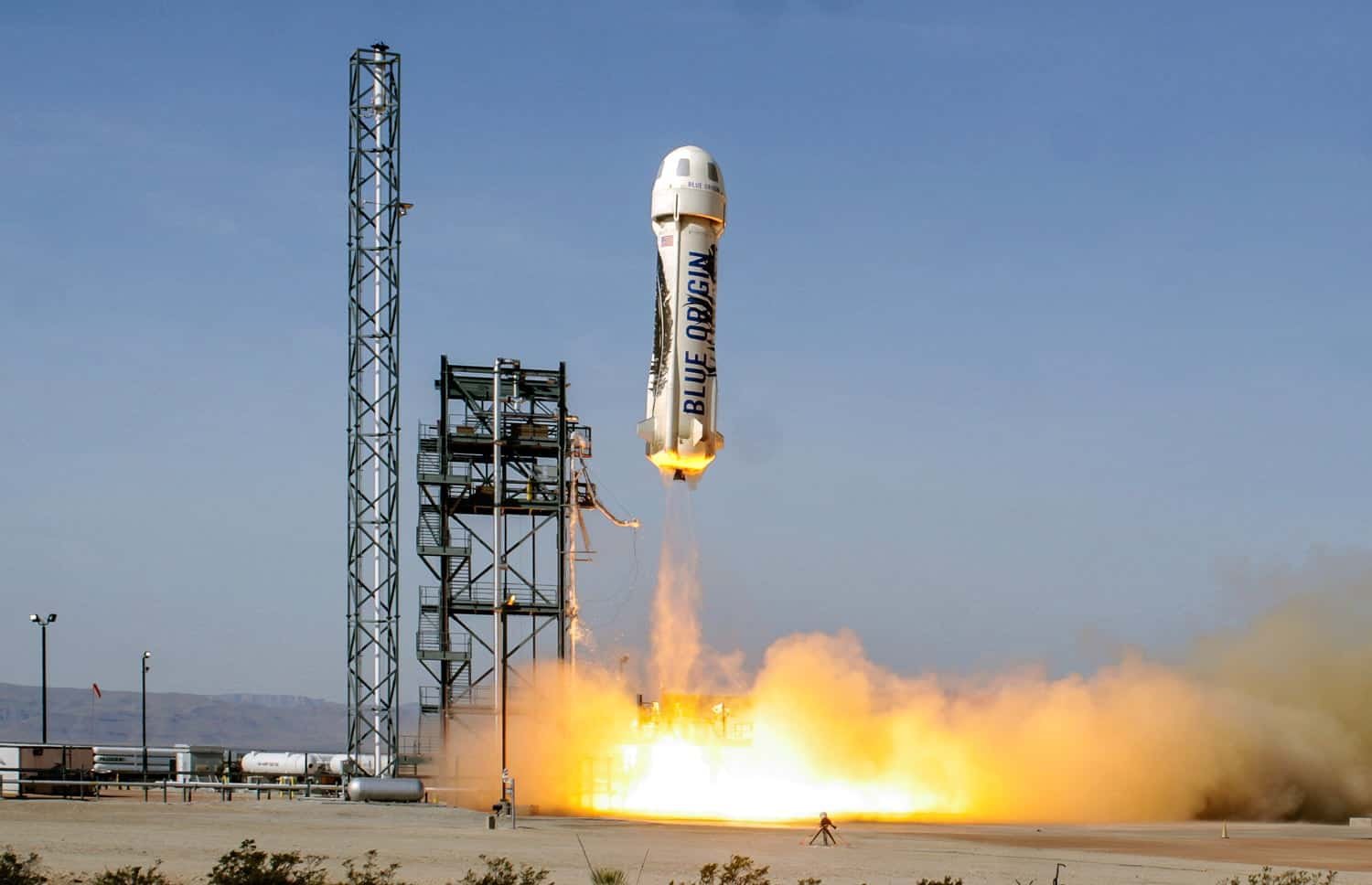
Blue Origin’s New Shepard program achieved another milestone with the successful completion of its NS-19 mission, marking the company’s third human spaceflight and the first to carry six astronauts simultaneously. The crew included Laura Shepard Churchley, daughter of pioneering Mercury astronaut Alan Shepard; television broadcaster Michael Strahan; investor Evan Dick; Space for Humanity chairman Dylan Taylor; and father-son duo Lane Bess and Cameron Bess. This diverse manifest underscored Blue Origin’s commitment to expanding access to suborbital spaceflight beyond traditional astronaut profiles.

The NS-19 mission also represented the sixth flight of the year for New Shepard, capping a period of intense operational tempo. Blue Origin’s CEO Bob Smith stated, “We had a great flight today. This was our sixth flight in what has been a great year for the New Shepard program. We flew 14 astronauts to space, flew a NASA payload flight that tested lunar landing sensors and completed our certification test flights.” He added, “I want to thank our payload customers, our astronauts and, of course, Team Blue for these many important accomplishments. I am so proud to be part of this dedicated and hard-working team that ensures that each and every flight of New Shepard is safe and reliable. And, it’s fun to say that this is just the beginning.”
New Shepard’s operational model is built around a reusable booster and crew capsule, designed for rapid turnaround between missions. The system’s vertical takeoff and landing profile reduces refurbishment needs, while its autonomous flight control architecture eliminates the need for onboard pilots. This design approach allows Blue Origin to focus on passenger experience and payload integration, rather than complex crewed flight operations.
The NS-19 launch was originally scheduled for December 9, 2021, but forecasted high winds on December 9 and 10 prompted the team to reschedule. The mission ultimately lifted off from Launch Site One in West Texas on December 11 at 8:45 a.m. CST (14:45 UTC). Prior to launch, the vehicle underwent a Flight Readiness Review, confirming all mission requirements had been met. Astronaut training was completed ahead of schedule, leaving weather as the only constraint.
Lead flight director Steve Lanius and mission operations director Laura Stiles provided updates during pre-launch coverage, highlighting the thorough evaluation process and readiness of both crew and hardware. Live coverage began 90 minutes before liftoff, offering viewers detailed insight into the countdown procedures and operational checks.
Beyond crewed flights, New Shepard has also served as a testbed for advanced aerospace technologies. Earlier in the year, the vehicle carried a NASA payload to evaluate precision landing sensors intended for lunar missions. Such experiments leverage the stable, repeatable flight environment of suborbital trajectories, enabling rapid iteration of hardware designs without the cost and complexity of orbital launches.
The NS-19 mission’s success further demonstrated the reliability of Blue Origin’s launch system. Each flight cycle involves comprehensive post-mission inspections of structural components, propulsion systems, and avionics. The booster’s BE-3 engine, fueled by liquid hydrogen and liquid oxygen, is designed for multiple restarts and delivers a smooth ascent profile with minimal vibration, enhancing passenger comfort.
For aerospace engineers and enthusiasts, the mission underscores the growing role of commercial operators in human spaceflight. By maintaining a high flight cadence and integrating both passenger and payload operations, companies like Blue Origin are expanding the scope of suborbital missions. This evolution opens opportunities for research, technology demonstration, and public engagement in space activities.
Blue Origin has indicated plans for additional crewed and payload flights in 2022, continuing its trajectory toward broader accessibility. The company’s operational discipline, combined with its focus on safety and reusability, positions New Shepard as a key player in the emerging commercial spaceflight sector.