

SpaceX Marks 3,000th Starlink Satellite Milestone
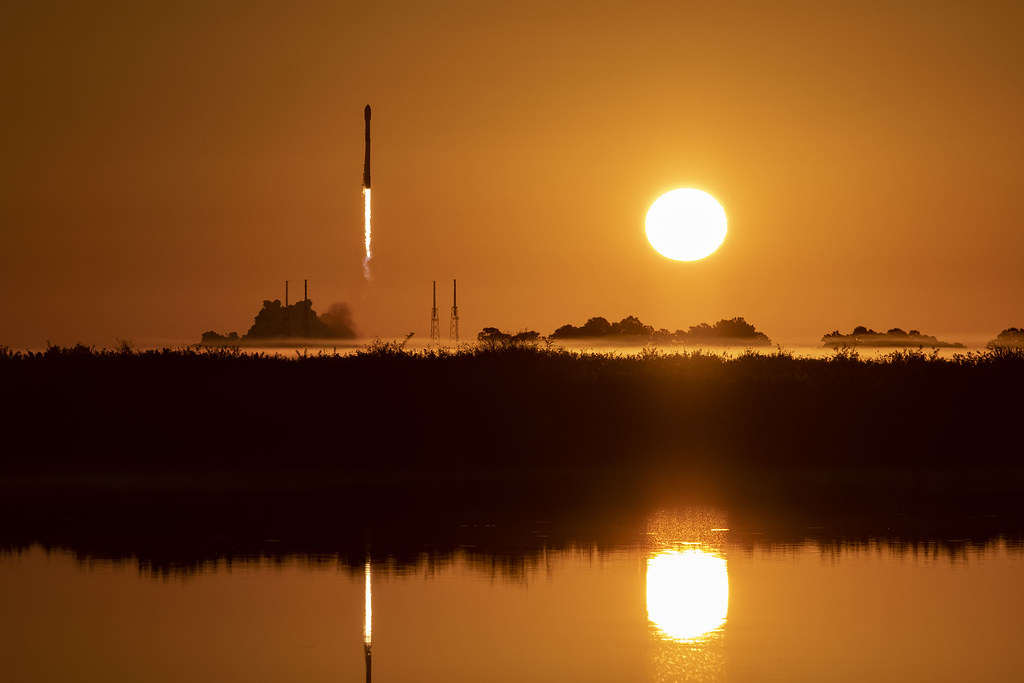
A late-night launch from Florida’s Space Coast added another chapter to SpaceX’s rapid Starlink expansion, delivering 52 satellites into low Earth orbit and crossing the 3,000-satellite threshold for the broadband network. The Falcon 9 rocket, standing 229 feet tall, lifted off from Kennedy Space Center’s pad 39A at 10:14:40 p.m. EDT, its nine Merlin 1D engines igniting in a bright flare against the moonlit sky. The vehicle’s trajectory was set northeast, aligning with one of Starlink’s orbital planes.

About a minute into flight, the rocket passed through the speed of sound, continuing its climb until main engine cutoff just before the two-and-a-half-minute mark. The first stage, a 15-story booster designated B1073, separated cleanly, deploying grid fins and firing cold gas thrusters to orient for reentry. Three Merlin engines reignited to slow the descent into denser atmosphere, followed by a final single-engine burn that guided the booster to a precise landing on the drone ship “A Shortfall of Gravitas,” stationed in the Atlantic east of Charleston, South Carolina. This marked the booster’s third mission, following flights in May and June.
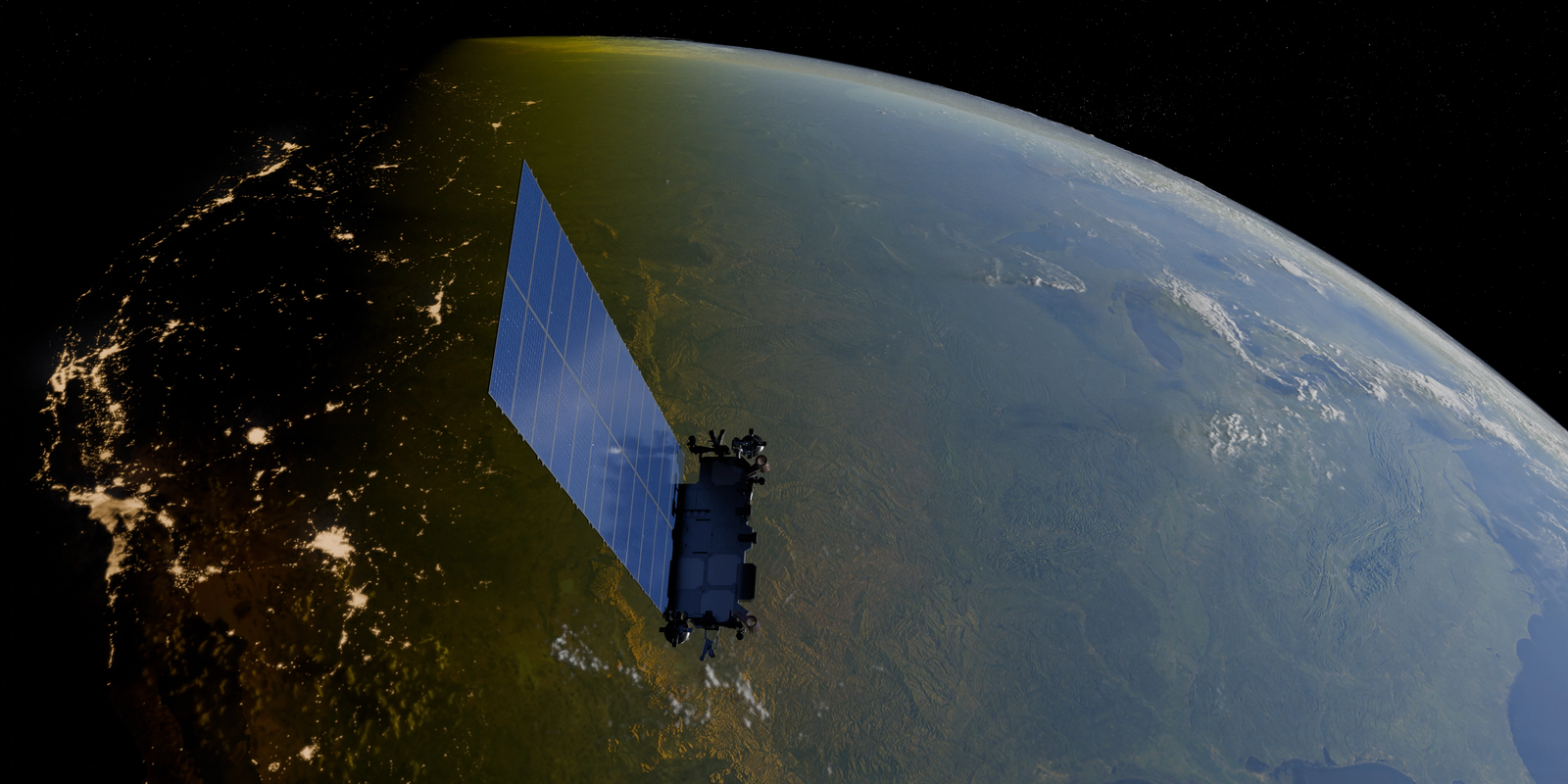
Meanwhile, the upper stage pressed on with a six-minute burn of its single Merlin Vacuum engine, cutting off around the same time the first stage touched down. The payload fairing halves, released during ascent, descended under parachutes for recovery by a waiting ship. At T+15 minutes, 24 seconds, the upper stage deployed the 52 satellites into an orbit ranging from 144 to 208 miles in altitude. Retention rods released the spacecraft, which will now unfurl solar arrays and use ion propulsion to reach operational altitude of 335 miles. The climb can take weeks or months depending on the orbital shell.
With this mission, SpaceX has launched 3,009 Starlink satellites aboard Falcon 9 rockets, including early prototypes no longer in service. According to astrophysicist Jonathan McDowell’s tracking, 2,662 satellites are currently functional, with 2,268 actively providing consumer broadband. The remainder are maneuvering into final positions. The company is more than halfway toward its first-generation network goal of about 4,400 active satellites spread across five orbital shells, as outlined in filings with the Federal Communications Commission.
Starlink’s architecture incorporates laser inter-satellite links, allowing data to move between spacecraft without ground station relay. This reduces latency and bypasses terrestrial infrastructure constraints, including those imposed by geography or political boundaries. The technology is particularly valuable for coverage over oceans, remote regions, and in situations where ground connectivity is limited.
Regulatory approval from the FCC in June cleared SpaceX to extend Starlink services to mobile platforms. Until now, offerings have focused on fixed installations for homes, businesses, and schools. The company recently announced maritime service for vessels such as yachts and oil rigs, and several airlines have begun testing or committing to Starlink-based in-flight connectivity.
The mission, designated Starlink 4-26, was SpaceX’s 35th Falcon 9 launch in 2022 and the 169th overall for the rocket family. Each flight underscores the reusability strategy that has become central to SpaceX’s operations, with boosters often returning for multiple missions and payload fairings recovered for refurbishment.
The next launch in the Starlink campaign is scheduled from Vandenberg Space Force Base, targeting one of the network’s polar orbit shells. Another Falcon 9 will follow from Cape Canaveral Space Force Station on August 16, continuing the steady cadence that has characterized the program’s build-out.