

High-Fidelity Simulation Reshapes Drone Pilot Training
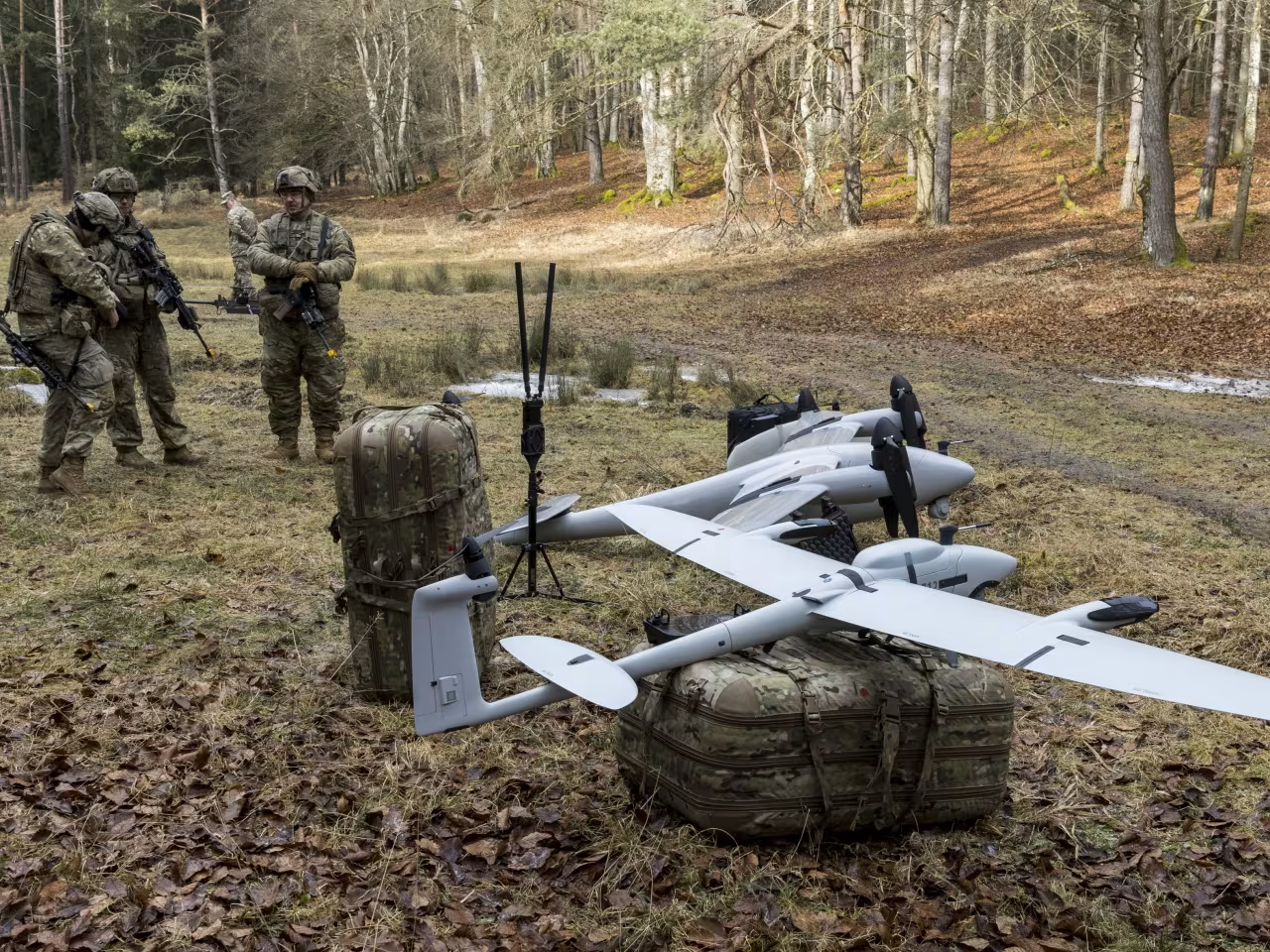
Modern military and civil operations increasingly rely on drones, from long-range surveillance platforms to tactical systems providing immediate close-support capabilities. Their integration into battlefield strategies has shifted operational paradigms, making advanced training for drone pilots a critical factor in mission success. Mykhailo Federov, Ukraine’s minister of digital transformation, has described the conflict between Ukraine and Russia as a “technology war,” underscoring the central role drones now play in every aspect of combat — from air defense and jamming systems to intelligence gathering and precision strikes.
Ukraine’s “Army of Drones” initiative illustrates the scale of modern drone deployment. Contracts have been signed for nearly 1,000 unmanned aerial vehicles, with a long-term objective of fielding 10,000 units to patrol the country’s extensive front line. This mirrors a global trend: more than 100 countries and non-state groups now operate drones, with increasingly sophisticated capabilities. As usage expands, the need for robust, scalable training solutions becomes paramount.
Traditional training methods, while effective, face limitations in cost, risk, and scalability. Simulation technology offers an alternative — a controlled, repeatable environment where operators can develop skills without endangering personnel or equipment. High-fidelity simulations allow for measurable outcomes, enabling instructors to track progress and refine training programs.
Drone operations demand proficiency across multiple domains. Pilots must master flight control, maneuvering, payload deployment, and mission planning to maximize the platform’s capabilities. They also require expertise in target identification, data interpretation, and integrating drone operations with other assets such as ground forces, aircraft, and naval units. Situational awareness is critical; operators must interpret real-time sensor feeds, detect threats, and relay actionable intelligence to commanders. Equally important is the ability to counter hostile drones through detection, tracking, and neutralization strategies.
The U.S. Army’s Unmanned Aircraft Systems Operator Course exemplifies the intensity of drone training, combining classroom instruction with hands-on practice. Incorporating high-fidelity simulation into such programs creates immersive environments for experimentation, concept development, and mission rehearsal. Platforms like VBS4 can replicate fully or partially autonomous systems, allowing trainees to practice with specific drone models, refine tactics, techniques, and procedures, and adapt to diverse operational contexts.
Realistic simulations must replicate drones’ primary sensors — electro-optical, infrared, and thermal — and allow seamless switching between them. This fidelity enables training for both operators and mission commanders, as well as intelligence analysts who must integrate drone data into broader tactical strategies. Advanced platforms can also model autonomous system behavior, test algorithms, and evaluate human-AI interactions, providing leaders with insights into optimal deployment strategies. As autonomy advances toward critical decision-making capabilities, simulation will be essential for preparing personnel to manage AI-driven operations.
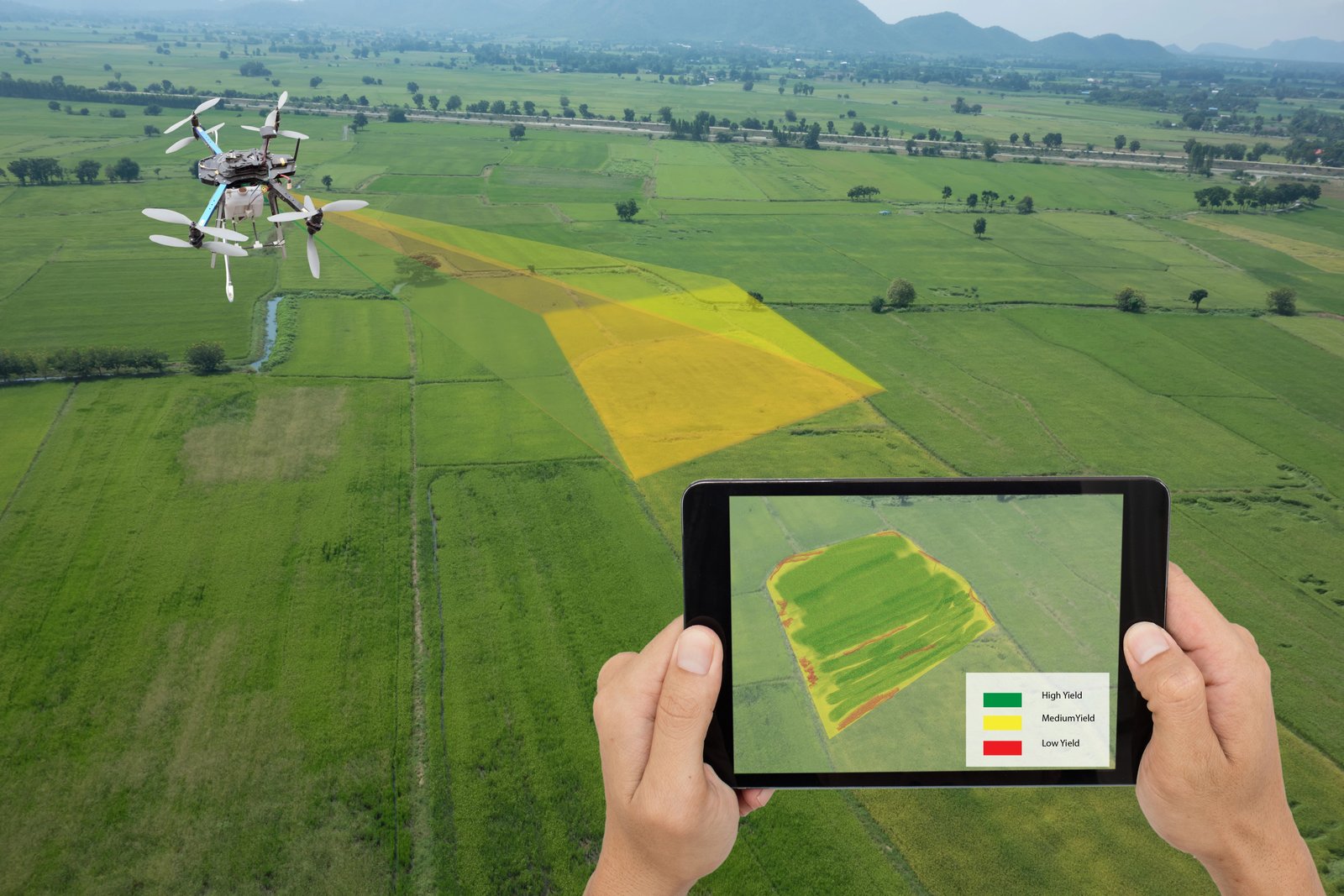
Use cases for high-fidelity simulation span intelligence, surveillance, and reconnaissance (ISR) missions, search and rescue, border monitoring, and tracking adversary movements. One example is the development of FLIRSIM™, a portable training tool replicating real-world scenarios, built using an existing simulation platform to create dynamic environments with roleplay elements and AI-controlled actors. The U.S. Air Force Academy has similarly employed simulation to cultivate airmanship skills, escalating scenarios from basic tracking exercises to complex nighttime special operations missions, sometimes incorporating environmental challenges like adverse weather.
Accuracy in drone operations is especially critical when resources such as ammunition and strike platforms are limited. Drones serve as the battlefield’s eyes and ears, influencing strategic thought and operational planning. By reducing the risk of injury or equipment loss, simulators enable organizations to rehearse missions in complex environments using authentic sensors and targeting systems. This approach equips personnel with practical experience, preparing them for diverse scenarios and enhancing decision-making under pressure.
Military organizations that invest in such training not only improve immediate operational readiness but also position themselves at the forefront of technological evolution. As drones continue to transform modern warfare and civil operations, high-fidelity simulation stands out as a decisive tool for building the next generation of skilled, adaptable operators.