

SpaceX Launches Sweden’s First Privately-Funded Satellite
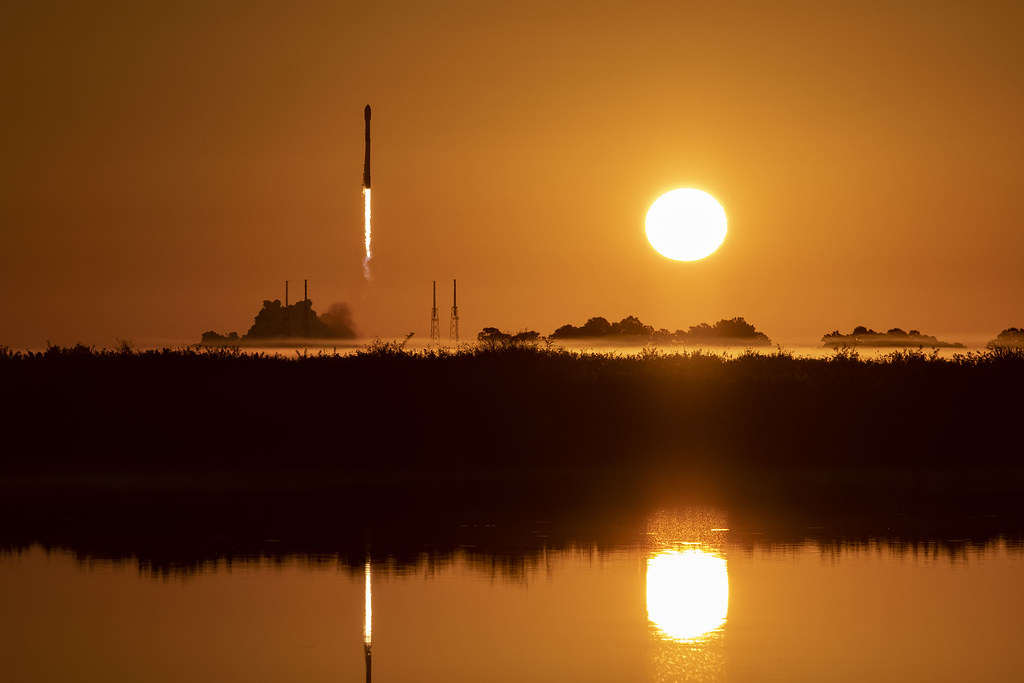
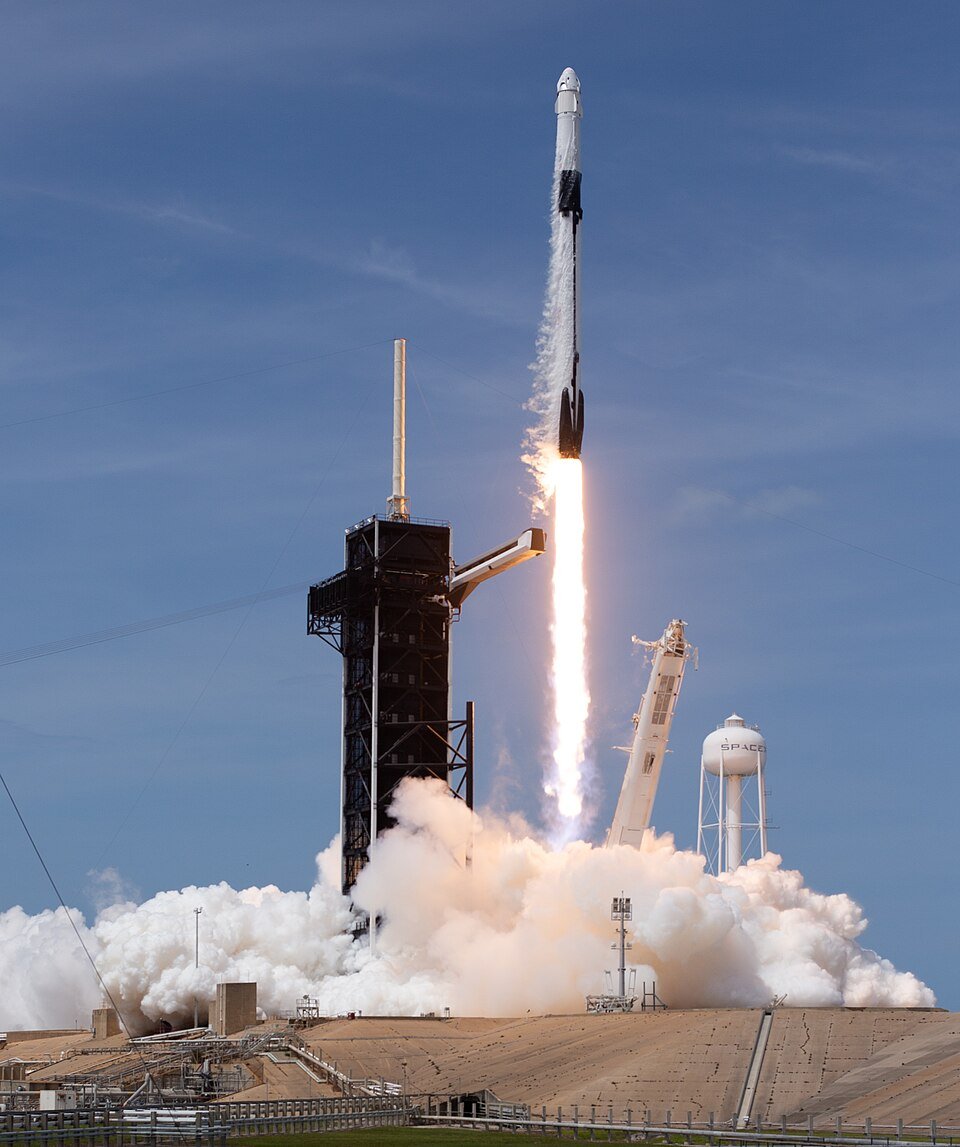
Florida’s 2024 orbital launch campaign began with the familiar sight of a SpaceX Falcon 9 climbing into the evening sky. The mission carried Ovzon-3, a communications satellite built for Sweden-based Ovzon, marking a milestone as the first privately-funded Swedish satellite to reach geostationary orbit. Liftoff occurred at 6:04 p.m. EST (2304 UTC) from Cape Canaveral Space Force Station, at the opening of a ten-minute launch window. The flight came less than 24 hours after another Falcon 9 mission from California that deployed 21 Starlink satellites.

The Ovzon-3 satellite is bound for an orbital slot at 59.7 degrees East, a journey that will take approximately three months. Once in position, Ovzon plans to begin a full testing campaign, aiming for operational readiness by mid-2024. “Sweden has a strong history with the satellite area, but this is a first for Sweden and I think that’s something we’re very proud of,” said Kristofer Alm, Ovzon’s Chief Marketing Officer. He emphasized Sweden’s solid foundation for continued development in space-based communications.
Designed for critical missions, Ovzon-3 incorporates capabilities intended to function independently of the ground segment, enhancing resilience against jamming and other interference. The spacecraft carries five steerable spot beams, enabling dynamic allocation of user capacity, and integrates with Ovzon’s mobile satellite terminals. “Defense is our main target market. Defense is where we’ve been most successful, but we’ve started to broaden. We have national security, public safety,” Alm explained. He noted applications ranging from fire and rescue services in Italy to other European emergency operations, where rapid activation and robust communications are essential. “We can activate and deploy a network in basically 24 hours,” he added.
Ovzon, founded in 2006, initially leased on-orbit capacity via ground terminals, serving clients such as the U.S. Department of Defense. Over time, company leaders recognized the strategic advantage of owning their own satellite to expand services, particularly for European government customers. “We’ve always been a Swedish company with a U.S. customer base and now we’re a Swedish company with a U.S. and a European customer base and I think that’s really exciting,” Alm said.
Global events have underscored the importance of resilient communications. Alm pointed to the Russian war in Ukraine as a turning point in market awareness. “One thing that happened when the Russians went into Ukraine was they jammed satellite communications. And how did they do that? Well, they knocked out the ground segment,” he said. Ovzon-3’s ability to operate without reliance on the ground segment has resonated strongly with European customers. “They have studied what’s going on there and we can bring capabilities to address that,” Alm noted.
The path to launch was not without obstacles. Production delays and the COVID-19 pandemic pushed the project behind schedule, with costs reaching an estimated 2 billion Swedish krona (about $195 million). Originally slated for an Ariane 5 launch, the satellite missed the opportunity before that vehicle’s retirement. Alm credited strong financial backing for keeping the program on track despite the setbacks. “Of course, the expectations are high and now that we’re [ready to launch] they’re going to be even higher, but I think we see that as a challenge and we’re ready to embrace it,” he said.
The Falcon 9’s first stage booster, tail number B1076, completed its 10th flight and returned to Landing Zone 1 roughly eight minutes after liftoff. For SpaceX, this mission marked the second orbital launch of the year and the first with a paying customer, setting the tone for a packed schedule. Upcoming highlights include two crewed flights to the International Space Station, a Northrop Grumman Cygnus cargo mission, and a lunar delivery for Intuitive Machines’ Nova-C lander.
SpaceX Vice President of Launch Kiko Dontchev outlined the company’s ambitious target on X, formerly Twitter: “The launch system (pads, recovery, flight hardware) needs to be capable of 13 [per] month so we can play catch up when planned maintenance, debacles and weather inevitably slow us down.” With a goal of 144 launches in 2024, operational tempo will be critical to meeting that benchmark.