

Global Leaders Shaping the Drone Defense Industry
Over the past decade, unmanned aerial vehicles have shifted from niche military tools to essential assets in modern defense strategy. Their low cost, adaptability, and expanding mission profiles—from reconnaissance to refueling—have made them a disruptive force in global security planning. As nations accelerate investment in unmanned systems, established defense giants and emerging players are vying for dominance in a rapidly evolving market.
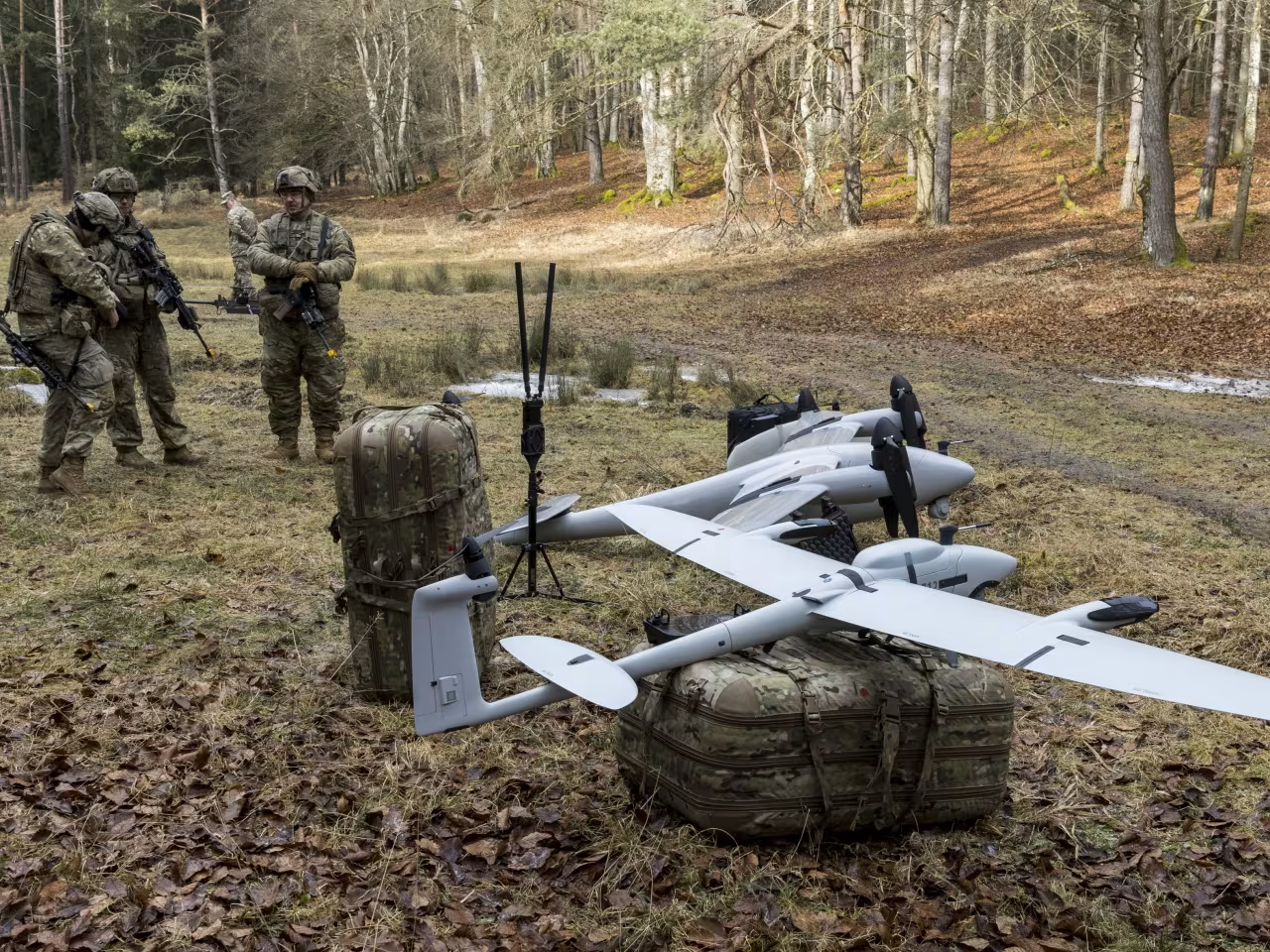
Lockheed Martin, the world’s largest defense contractor, has extended its reach deep into UAV development. In February 2024, it introduced the Indago 4, a compact quadcopter weighing just five pounds, optimized for reconnaissance and surveillance. Complementing this is the Stalker XE, a fixed-wing platform that set a world endurance record with a 39-hour flight in 2022. Both systems are in service with U.S. forces and the British military, underscoring their operational credibility.
RTX, formerly Raytheon, remains a critical player in counter-drone capabilities. Its Coyote Interceptor series is designed to neutralize drone swarms, a growing battlefield threat. In January 2024, the U.S. Army committed to acquiring 600 Coyote 2C interceptors, signaling the Pentagon’s focus on layered air defense against unmanned threats.
Northrop Grumman’s UAV pedigree stretches back to 2001, anchored by the RQ-4 Global Hawk, which has logged more than 320,000 flight hours in theaters including Afghanistan, Iraq, and North Africa. The MQ-4C Triton, its maritime reconnaissance variant, serves both U.S. and Australian forces. At the smaller end of the spectrum, the company’s Bat UAV offers a more tactical, deployable option.
Boeing is advancing a different mission set with the MQ-25 Stingray, an unmanned aerial refueling platform aimed at extending the reach of carrier-based aircraft. Awarded an $805 million development contract in 2018, the Stingray represents a significant shift toward integrating UAVs into naval aviation logistics.
Israel’s Elbit Systems continues to lead in UAV exports, reflecting the country’s long-standing emphasis on unmanned technologies. In 2023, Israel recorded $12.5 billion in arms exports, with drones accounting for roughly a quarter of that value. The Hermes series, in particular, has achieved widespread adoption among international operators.
General Atomics Aeronautical Systems remains synonymous with armed UAVs. Its MQ-1 Predator established the template for remotely piloted strike platforms, while the MQ-9 Reaper—its successor—remains in active service with around 300 units. These hunter-killer drones have been central to U.S. counterterrorism operations, though their use has sparked ongoing debates over targeting and collateral damage.
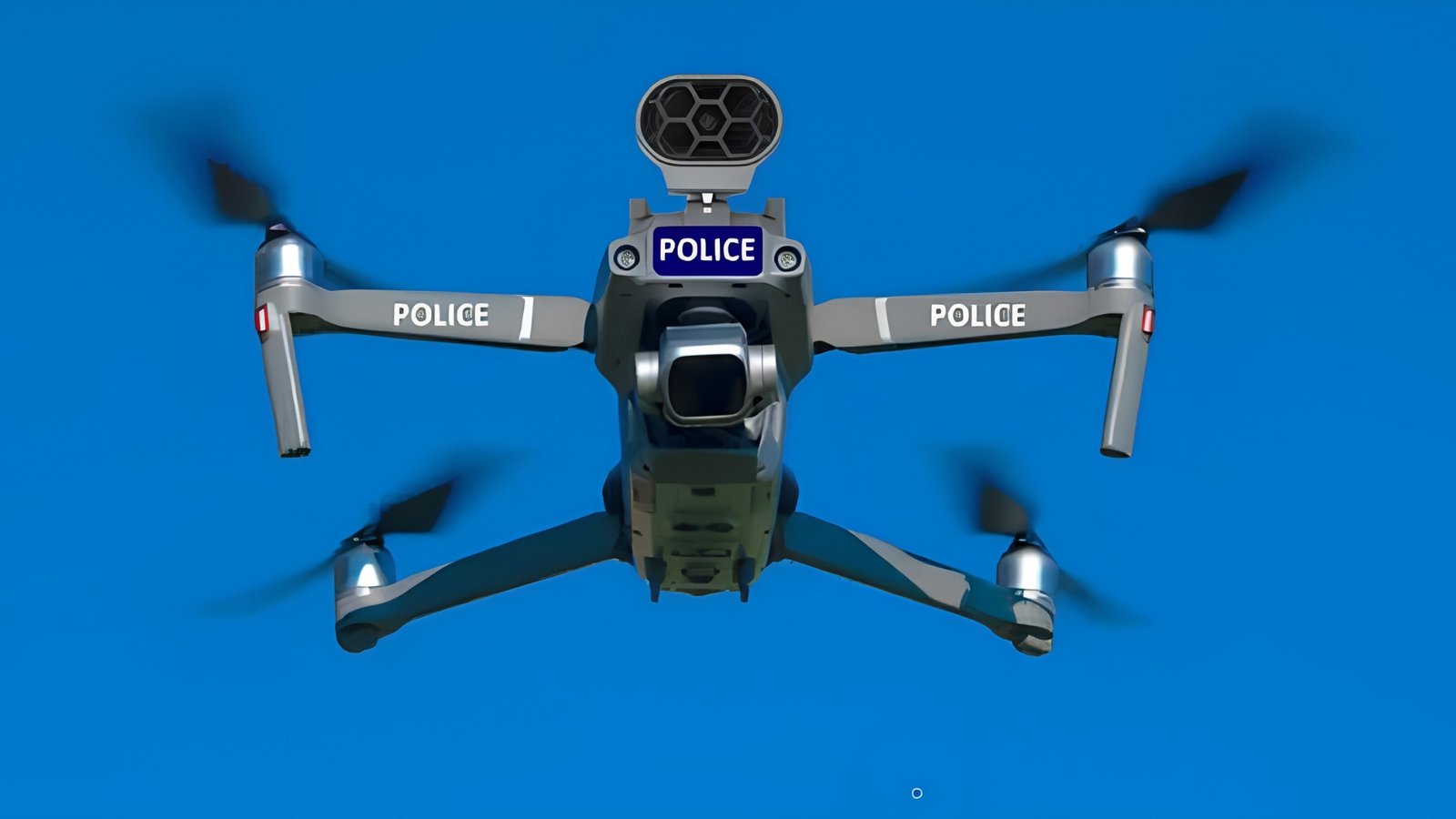
China’s Da Jiang Innovations dominates the consumer drone market, controlling about 70% globally. While the company maintains its products are intended for civilian use, DJI drones have been documented in conflict zones, including Ukraine. The ubiquity of its Mavic line has made the brand name shorthand for small quadcopters. Security concerns have prompted moves toward a potential U.S. ban.
BAE Systems, the largest defense manufacturer in Europe, has fielded both miniature and advanced UAVs. The Bug nano drone, comparable in weight to a smartphone, is designed for discreet reconnaissance. Far more secretive is the Taranis, a stealth combat UAV that first flew in 2014, offering a glimpse into the UK’s future strike capabilities.
Turkey’s Baykar has emerged as a formidable exporter, bolstered by political connections at the highest level. Its Bayraktar TB2 has earned a reputation for reliability and cost-effectiveness, outperforming many Chinese systems while undercutting U.S. models on price. The TB2’s operational record has driven sales to 28 countries.
On the horizon, Europe’s Medium Altitude Long Endurance Remotely Piloted Aerial System—known as the Eurodrone—marks a significant multinational collaboration between Airbus, Dassault Aviation, and Leonardo. Passing its preliminary design review in May 2024, the program targets a first flight next year and deliveries beginning in 2027.
In the United States, heightened demand for UAVs is creating openings for non-traditional defense firms. Anduril’s selection to advance the U.S. Air Force’s Collaborative Combat Aircraft program illustrates how agile startups are beginning to challenge entrenched industry leaders.