

Falcon 9 Cleared for Launch After Rare Anomaly
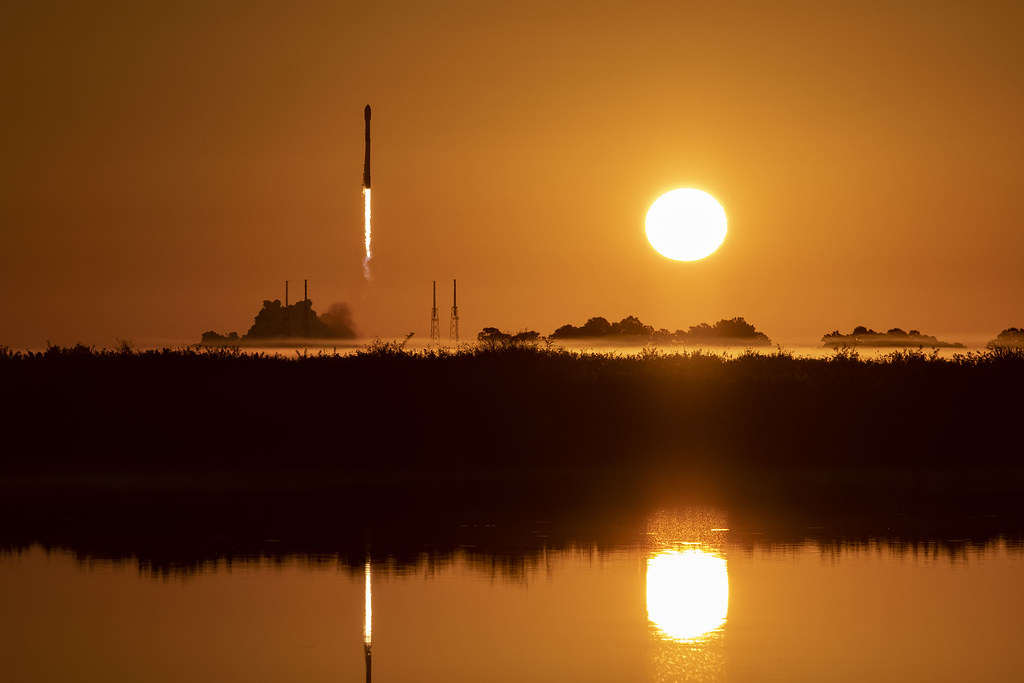
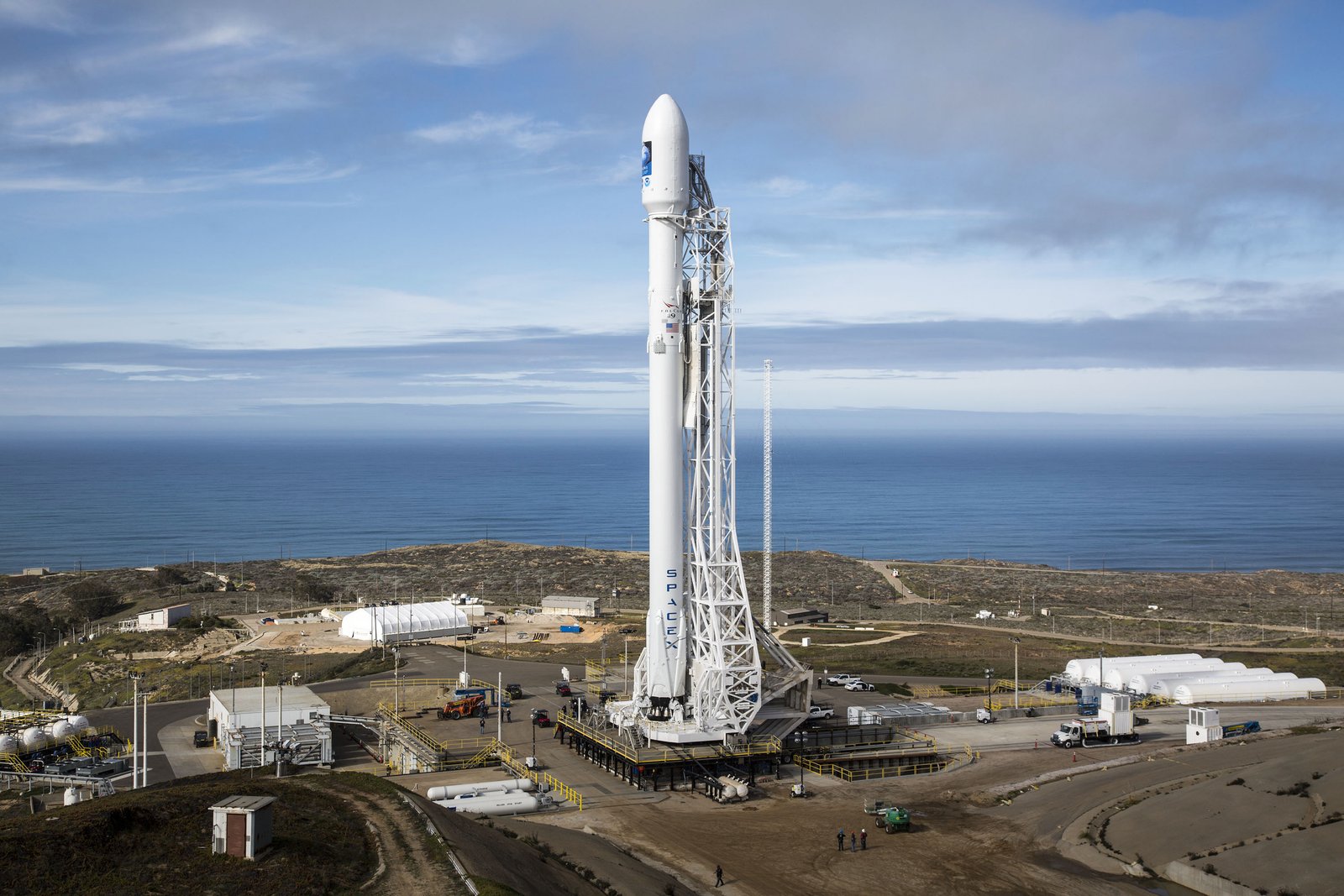
SpaceX’s Falcon 9 rocket has been given clearance to resume flight operations following a rare in-flight anomaly earlier in July. The vehicle, a workhorse of modern spaceflight that regularly delivers satellites and astronauts into orbit, encountered a failure during its July 11 mission that prevented 20 Starlink satellites from reaching their intended altitude. All of the payload subsequently re-entered Earth’s atmosphere and burned up.

According to a statement from SpaceX, the problem arose during the first burn of the rocket’s second stage engine. “During the first burn of Falcon 9’s second stage engine, a liquid oxygen leak developed within the insulation around the upper stage engine,” the company explained. The root cause was traced to “a crack in a sense line for a pressure sensor attached to the vehicle’s oxygen system.” This sense line is part of the instrumentation that monitors and transmits pressure data, and a failure in such a component can have cascading effects on engine performance.
The Federal Aviation Administration conducted a review of the incident and determined that “no public safety issues were involved in the anomaly.” The agency confirmed that the Falcon 9 “may return to flight operations while the overall investigation remains open.” This clearance allows SpaceX to maintain its launch cadence despite the ongoing analysis of the failure.
Falcon 9’s reliability record is notable, with thousands of payloads successfully delivered since its debut. Serious incidents have been rare in recent years. The last major setback occurred in September 2016, when a Falcon 9 exploded on the launchpad during pre-flight preparations. Before that, in June 2015, the rocket’s second stage disintegrated about two minutes after liftoff, resulting in the loss of cargo bound for the International Space Station.
The July 11 anomaly underscores the complexity of cryogenic propellant systems. Liquid oxygen, stored at extremely low temperatures, requires careful insulation and precise control of pressure. A crack in a sensor line can allow oxygen to leak into areas where it should not be, potentially altering combustion conditions or causing thermal stress. Engineers working on launch vehicles design these systems with multiple redundancies, but even small mechanical flaws can have mission-ending consequences.
The timing of the incident coincided with another challenge in human spaceflight: Boeing’s Starliner spacecraft, carrying its first crew, remains docked at the ISS while ground teams address technical concerns before approving its return. The Falcon 9 clearance means that other scheduled missions to the station can proceed. In early August, a Northrop Grumman Cygnus cargo ship is set to deliver supplies to the orbiting laboratory, maintaining the flow of materials essential for ongoing experiments and station upkeep.
SpaceX’s rapid identification of the fault and coordination with regulators reflects the maturing processes of commercial launch providers. The investigation into the cracked sense line will likely inform future design reviews and maintenance protocols, ensuring that similar vulnerabilities are addressed before they can affect flight operations. For aerospace engineers and enthusiasts, the event offers a reminder of the intricate interplay between mechanical integrity, sensor accuracy, and propulsion system stability.
Falcon 9’s return to service reinforces its role as a backbone of current orbital logistics. With its reusable first stage and proven second stage architecture, the rocket has become a benchmark for efficiency and reliability in launch systems. Even with occasional setbacks, the platform continues to demonstrate the resilience and adaptability required in high-stakes aerospace engineering.