

Space Tourism’s Rapid Ascent and Future Horizons
On 20 July 2021, Jeff Bezos, founder of Amazon, ascended beyond the Kármán line aboard Blue Origin’s New Shepard, marking a defining moment in the commercialization of space travel. Just nine days earlier, Richard Branson’s Virgin Galactic had flown Unity 22 to an altitude of 86 kilometers, inaugurating a new era where private citizens—albeit wealthy ones—could briefly leave Earth. Elon Musk’s SpaceX followed with a far more ambitious orbital mission, sending four civilians around the planet for three days at roughly 540 kilometers altitude, “further than any other human space flight since the Hubble missions,” according to the company.

These events were the culmination of decades of human aspiration. The path began in 1961 with Yuri Gagarin’s 108-minute orbital flight, followed by Valentina Tereshkova’s pioneering mission in 1963 and the Apollo 11 crew’s Moon landing in 1969. After the frenetic pace of the early space race, the launch of the MIR station in 1986 and the International Space Station in 1998 extended human presence in orbit. Alongside manned missions, robotic explorers such as Cassini-Huygens, Messenger, and Perseverance pushed the boundaries of planetary science, with Perseverance’s 2021 Mars landing streamed live worldwide.
Tourism entered the picture in 2001 when American engineer Denis Tito paid Roscosmos $20 million to spend nearly a week aboard the ISS. “The best experience of my life,” he declared upon return. Others followed—Mark Shuttleworth, Charles Simonyi, Guy Laliberté, and Anousheh Ansari, the first female space tourist in 2006—each paying between $20 and $40 million for the privilege.
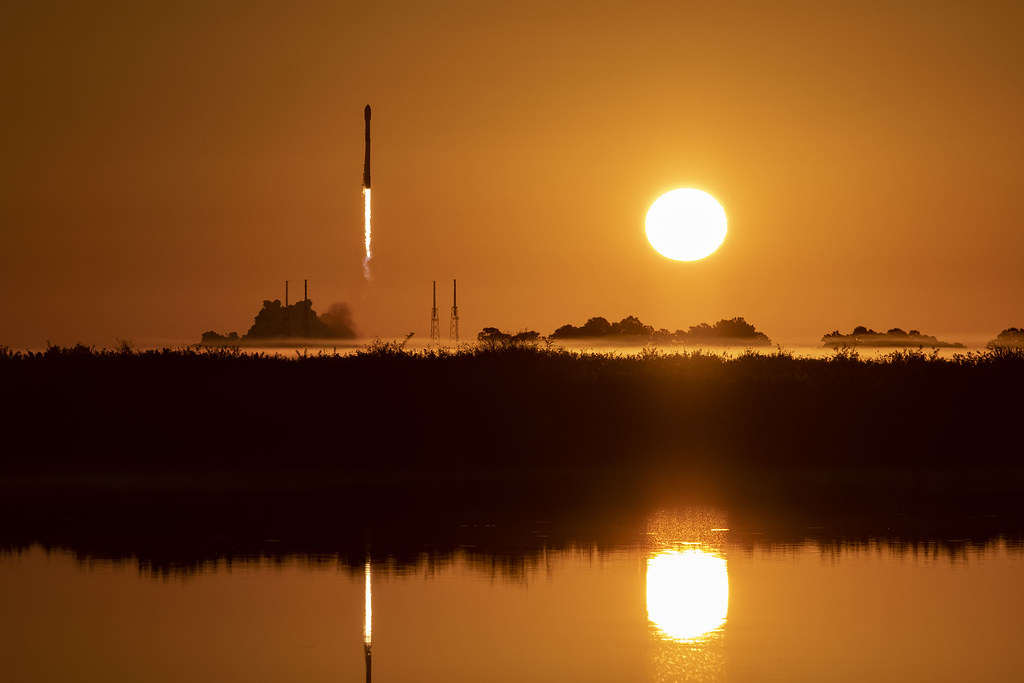
The modern wave of space tourism owes much to three entrepreneurs. Branson’s Unity 22 mission was a piloted suborbital flight lasting 90 minutes, reaching 3,675 km/h. Bezos’ NS-16 was an autonomous suborbital hop to 106 kilometers, lasting just over ten minutes, with seats auctioned for $28 million. Musk’s Polaris Dawn mission in 2024 pushed further, reaching altitudes up to 1,400 kilometers—beyond any crewed flight since Apollo 17—and including the first private spacewalk. Mission specialist Sarah Gillis even played the first violin in space.
Suborbital flights skim the edge of space, crossing the Kármán line before returning. Orbital flights require far greater energy, placing spacecraft into stable paths around Earth. The engineering challenges differ sharply: suborbital vehicles must manage rapid ascent and descent profiles, while orbital craft demand precise navigation, life support for extended durations, and high-speed reentry protection.
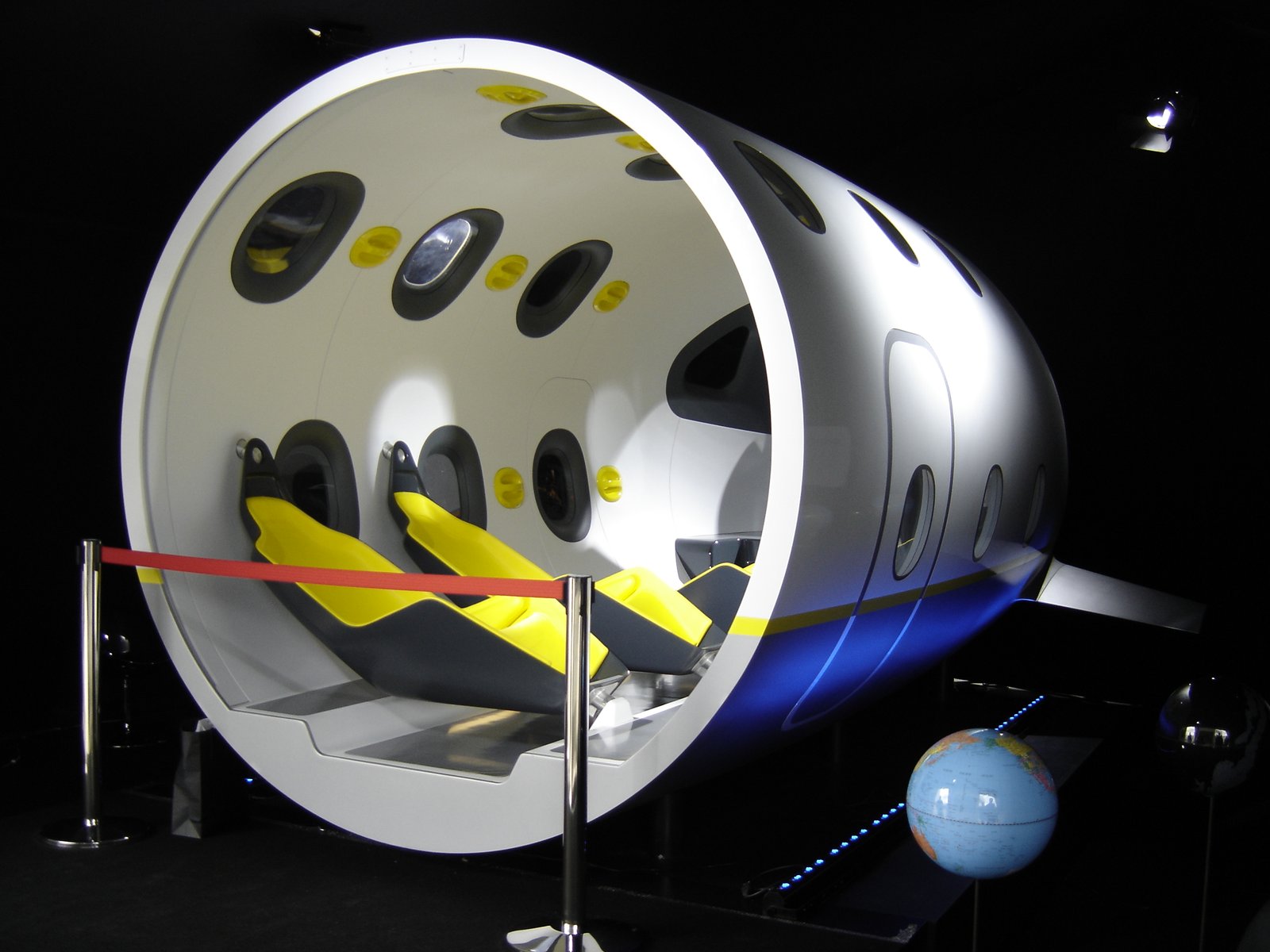
The economics remain daunting. Virgin Galactic’s tickets start around $400,000, Blue Origin’s auctioned seats have fetched $28 million, and SpaceX’s orbital journeys cost near $50 million per passenger. For those unwilling or unable to pay such sums, companies like World View offer stratospheric balloon ascents for $50,000, providing views of Earth’s curvature without leaving the atmosphere. Above Space has announced plans for orbital hotels, though these remain in early conceptual stages.
Market analysts see potential for exponential growth. A 2023 Global Market Insights report projected the industry could reach $129 billion by 2032, driven by continued investment from ultra-high-net-worth individuals and technological advances. Yet technical feasibility is only part of the equation. Legal frameworks for liability, passenger safety, and orbital traffic management must evolve alongside environmental considerations. Rocket launches emit greenhouse gases and particulates; as climate change intensifies, sustainable propulsion becomes imperative. Blue Origin’s use of hydrogen and liquid oxygen—producing only water vapor—illustrates one approach to reducing environmental impact.
For aerospace engineers and enthusiasts, the progression from government-led exploration to private-sector tourism offers a case study in rapid innovation cycles. Advances in composite materials, reusable launch systems, and precision guidance have compressed timelines and lowered per-flight costs, though accessibility remains limited. The interplay between visionary leadership, market forces, and engineering breakthroughs will determine whether space tourism transitions from an elite pastime to a broader human experience.